Fauci Faces Contempt Vote: Fifth Amendment Standoff in Senate!
Fauci Faces Contempt Vote: Fifth Amendment Standoff in Senate!
Dr. Anthony Fauci is at the center of a political storm as a Senate committee votes on contempt charges. Discover why he's invoking the Fifth Amendment and the legal battle ahead.
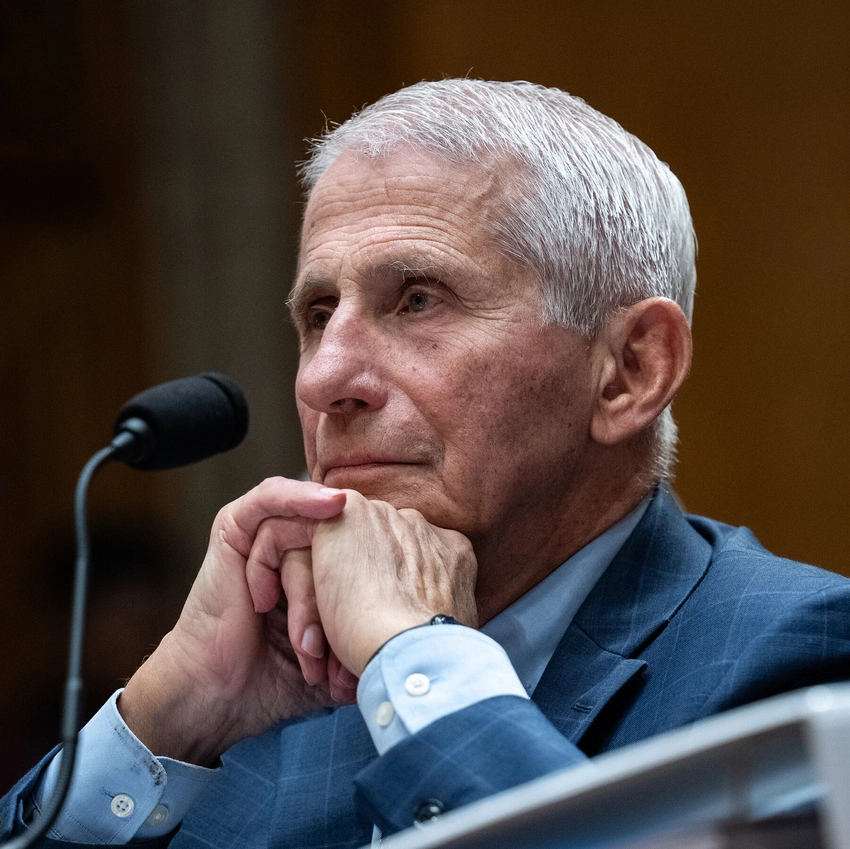
Dr. Anthony Fauci, the former chief medical advisor to the President, is currently embroiled in a significant political and legal battle as a Senate committee prepares to vote on whether to recommend holding him in contempt of Congress. The Senate Homeland Security and Governmental Affairs Committee is scheduled to decide Thursday on referring the matter to the U.S. Attorney's Office in Washington for potential prosecution.
The controversy stems from Fauci's testimony last week, during which he invoked his Fifth Amendment right against self-incrimination more than 100 times, declining to answer questions from the Republican-led panel. Committee Chairman Sen. Rand Paul argues that Fauci's invocation of the Fifth Amendment is no longer valid because he received a presidential pardon from former President Joe Biden, covering federal offenses between 2014 and January 2025.
However, Fauci has publicly stated that he believes he still faces potential legal risks despite the pardon. He maintains that the pardon does not protect him from possible state prosecutions or from allegations of false testimony before Congress. In a statement, Fauci accused Senator Paul of attempting to corner him into making statements that could fulfill Paul's repeated threats to see him "behind bars."
Senator Paul has indicated that he does not plan to immediately push for a full Senate contempt vote, acknowledging that such resolutions often struggle to secure the necessary 60 votes. Instead, the committee will first vote on sending a recommendation to federal prosecutors, reserving the option for a full Senate vote later if deemed necessary.
This dispute carries broader implications for the power of Congress to compel testimony from witnesses, especially those who have been granted presidential pardons. The outcome could potentially influence how future administrations utilize clemency in politically sensitive investigations, shaping the balance of power between the executive and legislative branches.
