GST Council Rescheduled Again: What Big Changes Are Coming?

GST Council Rescheduled Again: What Big Changes Are Coming?
The 57th GST Council meeting is set for Oct 8th in New Delhi. Get ready for potential reforms on arrests, prosecution thresholds, gold imports, and crucial input tax credit for employee insurance. Don't miss these update
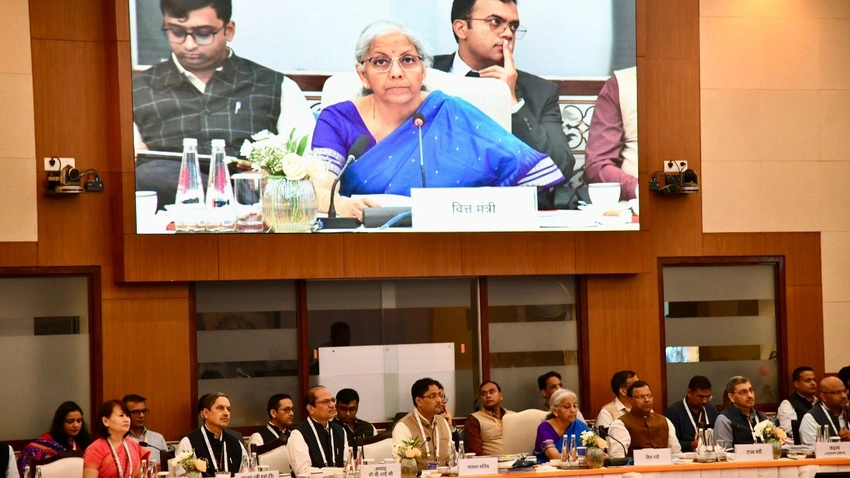
The much-anticipated 57th Goods and Services Tax (GST) Council meeting, initially set for October 7th, has been rescheduled for the second time and will now convene on Thursday, October 8th. The crucial meeting will take place from 11 am onwards at the Summit Room, Bharat Mandapam, in New Delhi. The rescheduling was due to "unavoidable circumstances," according to an official memorandum.
This session is expected to bring forth significant reforms and discussions, particularly focusing on GST enforcement and prosecution.
One of the key proposals on the table is to curtail the power of GST officers to arrest taxpayers without judicial authorization. This move aims to require prior court approval for any arrests, signifying a shift towards a more regulated approach.
Furthermore, the Council is likely to consider increasing the threshold for launching criminal proceedings under GST law, potentially raising it from ₹1 crore to ₹5 crore. These proposed changes are designed to narrow the scope of prosecution provisions, ensuring that routine disputes concerning classification, valuation, or input tax credit are kept outside the purview of criminal proceedings.
This is part of the government's broader "Next-Generation GST reform agenda."
Other proposed modifications include softening 24 offenses listed under the prosecution provision, removing nine offenses entirely, and retaining 11 as they are. There's also a proposal to remove the minimum sentence provision, offering courts the flexibility to impose fines instead of mandatory prison terms, and reducing the maximum sentence in the middle band from three years to two.
While these changes aim to make the process less stringent, they will not impact the government's power to recover taxes or impose financial penalties for short-paid tax or wrongly claimed input tax credit.
Deliberate evasion or fraud would still be subject to court prosecution.
Beyond enforcement reforms, the Council will also deliberate on withdrawing the IGST exemption currently available to banks and nominated agencies for importing gold, silver, and platinum. These precious metals currently attract 3% IGST, but the exemption for specific importers was granted in 2017. If approved, this withdrawal could impact the import landscape for these valuable commodities.
Lastly, a significant discussion point for businesses will be the proposal to allow employers to claim input tax credit (ITC) on premiums paid for insurance coverage provided to employees.
Currently, an 18% GST is levied on group insurance policies for employees, and businesses cannot claim ITC on this.
This change, if implemented, could offer substantial relief and streamline tax processes for companies providing employee benefits.
The Council is also expected to review proposals for easier GST registration, faster refunds, and simpler ITC procedures.
