US-Saudi Nuclear Deal Ignites Controversy, Critics Question Enrichment Path

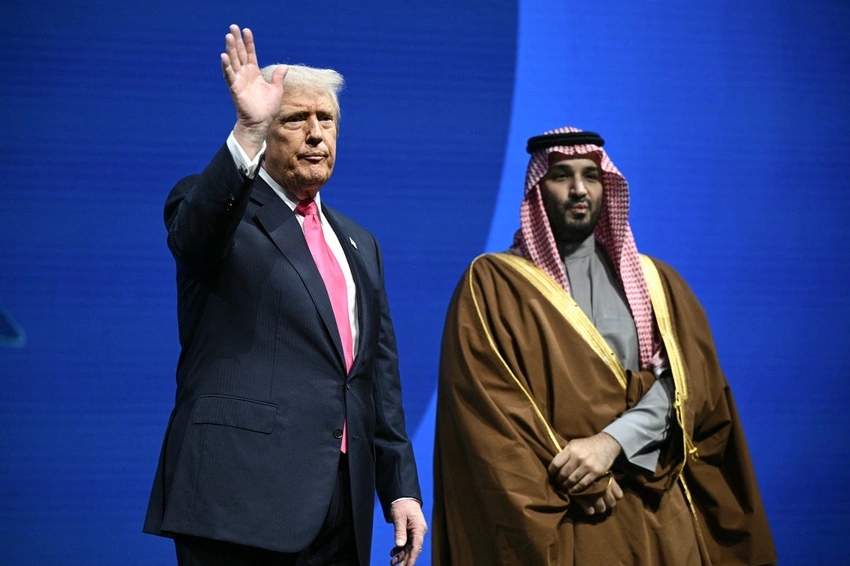
US-Saudi Nuclear Deal Ignites Controversy, Critics Question Enrichment Path
A landmark nuclear deal between the US and Saudi Arabia raises eyebrows as critics highlight the potential for domestic enrichment, a capability denied to Iran. Explore the geopolitical ramifications.
In a significant development that has drawn both praise and sharp criticism, the United States has signed a landmark nuclear cooperation agreement with Saudi Arabia. This deal, finalized by the Trump administration, is being hailed by some as a crucial step in strengthening ties and promoting peaceful nuclear energy in the region.
However, the agreement's finer details have sparked considerable debate, particularly concerning Saudi Arabia's potential pathway to domestic nuclear enrichment. Critics point out that this provision could allow Riyadh to develop the capacity to enrich uranium, a capability that has been staunchly opposed and actively prevented in the case of Iran, a regional rival.
Human rights advocate Kenneth Roth has publicly questioned the rationale behind this "absurd" deal, highlighting the apparent double standard. Roth notes that the agreement grants Saudi Arabia options that former President Trump himself has sworn Iran would never possess, fueling concerns about nuclear proliferation and regional stability.
The administration, meanwhile, defends the deal, emphasizing its non-proliferation safeguards and the strategic benefits of deeper cooperation with Saudi Arabia. Yet, the parallel with the ongoing efforts to curb Iran's nuclear ambitions creates a complex and potentially contradictory foreign policy stance. This landmark agreement is set to reshape the nuclear landscape of the Middle East and will undoubtedly remain a focal point for international scrutiny.
