Thames Water: 'Golden Share' Bid to Avert Nationalisation Looms!

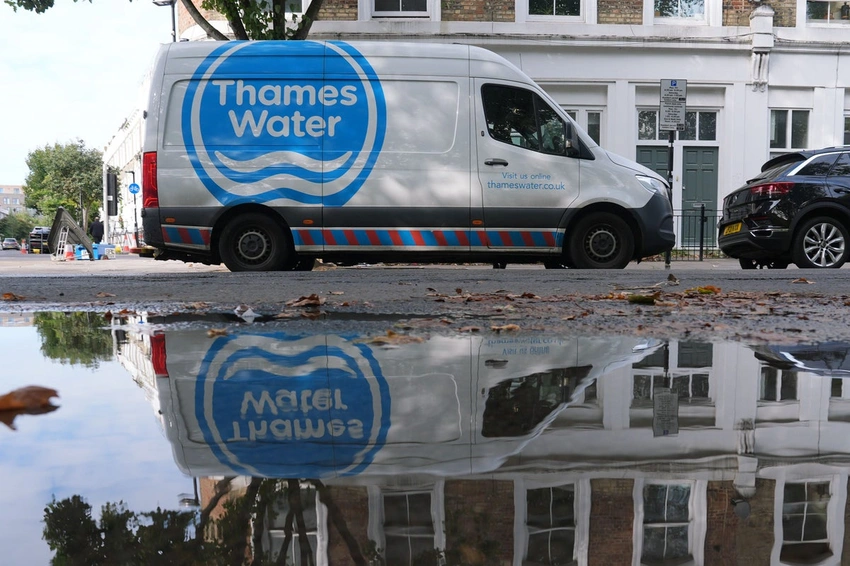
Thames Water: 'Golden Share' Bid to Avert Nationalisation Looms!
Debt-laden Thames Water's lenders offer a 'golden share' to the government, hoping to avert nationalisation amidst calls for public control. Will this £10bn proposal save the struggling utility?
Lenders to the beleaguered utility giant Thames Water are reportedly considering a significant concession, offering the government a "golden share", in a bid to stave off potential nationalisation. This strategic move comes as the company, burdened by substantial debt, faces increasing pressure for greater public control.
The proposed "golden share" would grant the government crucial veto power over major decisions and any hostile takeover attempts concerning Thames Water. This development follows calls from figures like Andy Burnham, Mayor of Greater Manchester, for enhanced public oversight of essential services, highlighting the mounting concerns over the utility's financial stability and operational performance.
A consortium identified as London & Valley Water, among others, has indicated that "material improvements" are being made to its previous £10 billion proposal. This updated offer is specifically designed to address and alleviate government anxieties surrounding the future of the water provider, which serves millions across London and the Thames Valley region.
The prospect of nationalisation has loomed over Thames Water for some time, primarily due to its colossal debt pile and issues with infrastructure and service. By offering a "golden share," investors are hoping to demonstrate a commitment to long-term stability and public interest, thereby preventing the government from taking temporary or permanent control. This unprecedented offer underscores the urgency and seriousness of the situation, as stakeholders strive to find a viable path forward for one of the UK's most critical infrastructure companies without resorting to full state ownership. The outcome of these discussions will undoubtedly have significant implications for both the water industry and the broader UK economy.
