Dua Lipa’s Bold Move: Is Celebrity Power the Key to Free Thought?

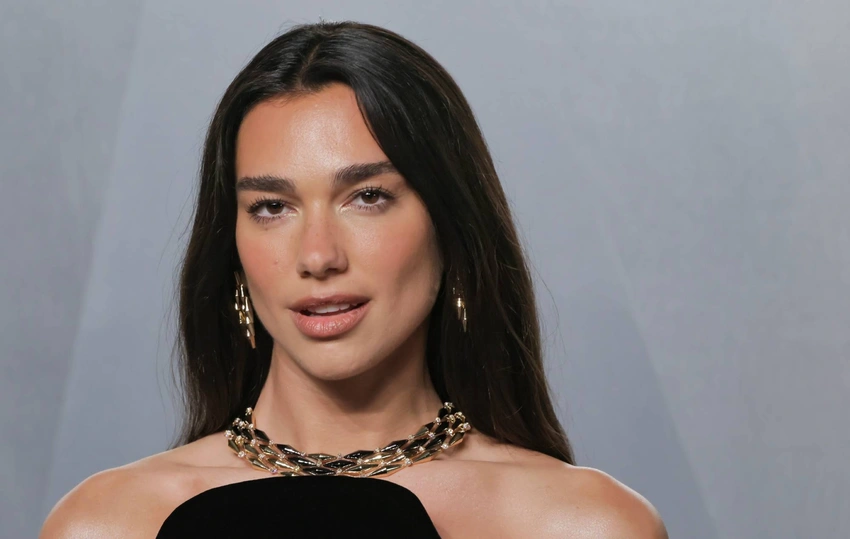
Dua Lipa’s Bold Move: Is Celebrity Power the Key to Free Thought?
Pop superstar Dua Lipa just opened The Manifesto Library, filled with banned books, at Livraria Lello in Porto, Portugal. This isn't just a grand gesture; it's a powerful statement against censorship. We unpack why her f
Dua Lipa isn't just releasing chart-topping hits; she's making waves in the world of cultural freedom. Her recent move, opening The Manifesto Library in Portugal, is a game-changer that sparks a crucial conversation: Do celebrities have a duty to defend intellectual liberty?
This isn't a fleeting trend for Lipa. Her dedication to literature has been evident for a while now. Remember the Service95 Book Club, which provides monthly recommendations and insightful author interviews? Or her upcoming role curating the Southbank Centre’s 2026 London Literature Festival? These aren't just hobbies; they're strategic steps to amplify voices and promote critical thinking.
The Manifesto Library: A Sanctuary for Subversion
Now, she's taken a significant leap. The Manifesto Library, housed permanently within the iconic Livraria Lello in Porto, Portugal, is an initiative that demands attention. Launching as part of the new international book festival, BABELL – City of Books, this isn't just any library. It's a curated collection of banned and censored books.
Lipa herself calls this “a dream partnership,” born from years of pushing her mission forward. In her words, “When I founded the Service95 Book Club, my ambition was for it to become a home for writers and readers, wherever they are and whatever their circumstances.” She powerfully notes, “Reading the world brings us closer — but sadly, not everyone is in favour of that.”
More Than Just Books: A Fight for Dialogue
The library's collection is deeply poignant. It includes “one hundred books that ask questions, or have been questioned.” These are titles banned by school districts for themes of race or sexuality, or restricted because they're written for LGBTQIA+ readers. Lipa highlights the extreme cost some authors have paid, stating, “In some cases, the author has paid for their words with their life.”
This isn’t merely about providing access; it's about making a profound statement. Lipa frames it beautifully: “This library is a shrine to books that have disappeared, to authors whose courage unmasks structures of power and control, and to readers who refuse to be told what book they are allowed to read.” She explicitly invites visitors to engage: “You are invited to visit and decide for yourself what belongs on these shelves. Because sometimes the most subversive thing you can do is read a book and then talk about it.”
The Celebrity Effect: A Double-Edged Sword?
So, what does this mean for the question of celebrity duty? Lipa's reach is immense. Her platform elevates this fight against censorship from niche academic discussions to mainstream awareness. While some might argue that celebrities should stick to their craft, her actions demonstrate the unique power they wield to champion causes that might otherwise be overlooked or suppressed.
By leveraging her influence, Lipa is not just promoting reading; she's actively fostering an environment where critical dialogue can thrive, challenging the very structures that seek to limit thought. In a world increasingly grappling with information control, a celebrity using their spotlight to defend cultural freedom isn't just commendable — it might just be essential.
