Karnataka vows to oppose VB-G RAM G, mulls its own rural jobs scheme

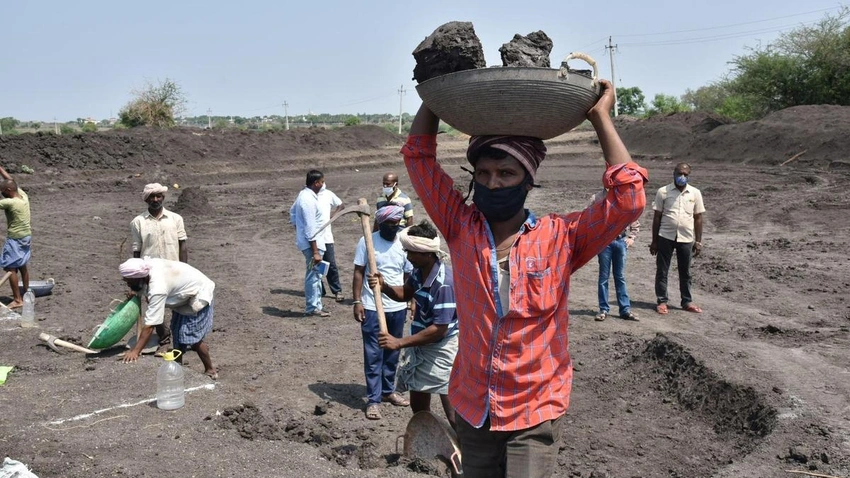
Karnataka vows to oppose VB-G RAM G, mulls its own rural jobs scheme
Karnataka signals strong resistance to the Centre's VB-G RAM G Act and is weighing a state-run rural employment scheme to protect jobs and defend federalism.
Karnataka’s government has signalled a firm stand against the Centre’s VB-G RAM G Act, with the administration hinting at a broader movement alongside opposition parties and civil groups to defend the rights of rural workers. The push comes as the state weighs mechanisms to shield rural job guarantees in the wake of the new scheme, which shifts funding and administration away from traditional models.
Chief Minister Siddaramaiah has framed the move as a test of federal balance, arguing that the central measure, if pushed through, could undermine long-standing guarantees like the right to work for the rural poor, and weaken the role of gram panchayats in identifying and allocating rural employment. He has pointed to constitutional provisions and amendments that, in his view, are being stretched to consolidate central control over local development without adequate consultation with state governments.
Against this backdrop, Karnataka’s cabinet has discussed scrapping or significantly altering the central approach and is actively exploring a state-run rural employment guarantee program. The aim is to preserve job security for rural labourers, women, and marginalized communities, even if it requires the state to fund and implement its own scheme rather than rely on central funding. The leadership argues that a state scheme would better protect local development needs and uphold the principle of cooperative federalism.
The conversation in Bengaluru mirrors a wider trend in several states where officials have raised concerns about central overreach and the erosion of power at the local level. While Telangana has already adopted a resolution opposing the VB-G RAM G Act, Karnataka is positioning itself to argue its case through political mobilisation and by laying the groundwork for a homegrown program that could operate in tandem with or independent of federal schemes.
Officials stressed that any move to launch a state rural jobs program would require careful budgeting, resource allocation, and a clear timeline to ensure continued wage protections and minimal disruption to existing livelihoods. The government emphasises a consultative approach with districts and panchayats to map employment needs, determine funding priorities, and maintain accountability. This stance signals rising tensions between central policy shifts and state autonomy, with Karnataka aiming to shield its rural workforce while keeping doors open for dialogue with the Centre.
