AI vs. Humanity: Claims Adjusters Are Pushing Back!

AI vs. Humanity: Claims Adjusters Are Pushing Back!
Claims adjusters are actively resisting AI automation, with 98% of reviews about AI being negative. Is this a warning sign for other industries pushing tech too fast?
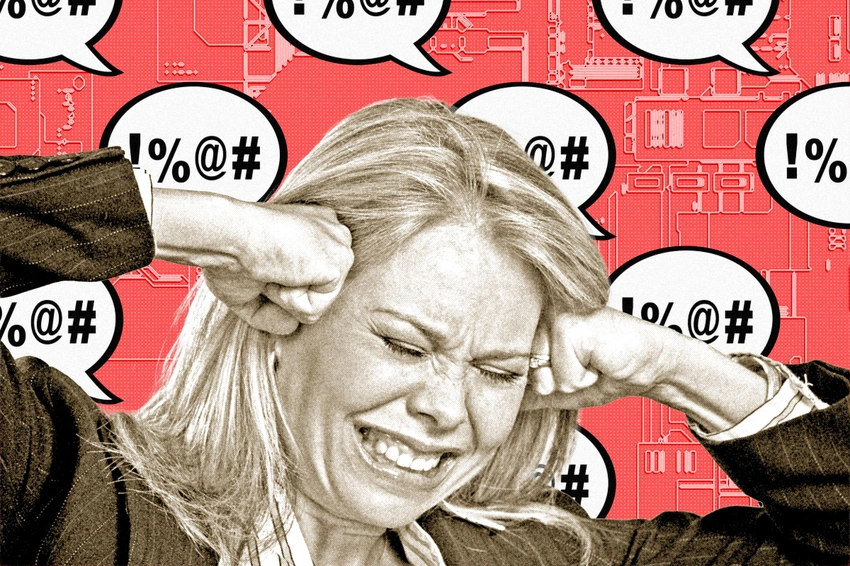
We've been told AI will make our lives easier, but for some professionals, it's causing a major headache. In fact, on job review platforms like Glassdoor, one group stands out for their intense dislike of artificial intelligence: insurance claims adjusters. A staggering 98 percent of their reviews mentioning AI are negative.
It's a full-blown rebellion against automation that isn't ready for prime time.
One adjuster summed it up perfectly: “Pushing AI to the point that you are asking humans not to use their thoughts and brains is such a turn off.” These aren't people afraid of technology; they're experts frustrated by poorly implemented tools that actually hinder their work. They frequently complain about “AI-obsessed leaders forcing error-prone AI on them and their clients.”
Consider the case of Ahmad Jackson. He worked in the claims department for a major insurance company that decided to use AI for initial loss reporting. The idea was to streamline simple claims.
What actually happened? Ahmad and his colleagues faced a sudden influx of misclassified claims. The AI churned out “AI-driven hallucinations” in claim summaries, leading to errors that Ahmad inadvertently relayed to frustrated claimants and their attorneys.
He bore the brunt of their fury, cleaning up a very human mess created by faulty tech.
Eventually, he quit.
This isn't about AI being inherently bad.
As one person eloquently put it, “AI is just a tool.
It should never be given the keys.” The issue arises when AI is deployed as a replacement for critical human judgment, rather than as a supportive aid.
Adjusters deal with nuanced situations, complex human emotions, and often, critical financial decisions.
They require empathy, intuition, and experience.
When AI fails in these roles, it doesn't just create a minor inconvenience. It leads to misclassified cases, angry customers, and overworked human professionals who have to pick up the pieces. This raises a crucial question for businesses across sectors: Are we truly enhancing efficiency, or are we just creating a new set of problems by blindly automating complex, human-centric tasks?
The experience of claims adjusters offers a stark warning.
Is There a Better Way Forward?
The message from the front lines is clear: listen to your people.
AI has immense potential, but only when integrated thoughtfully, respecting the unique value human expertise brings. Let's empower our teams with smart tools, not burden them with flawed technology that makes their jobs harder and alienates customers.
The future of AI in the workplace depends on collaboration, not forced automation.
