Minneapolis Protests Rise After Alex Pretti Shooting; Immigration Policy in Focus

Minneapolis Protests Rise After Alex Pretti Shooting; Immigration Policy in Focus
Protests erupt in sub-zero Minneapolis after the Alex Pretti shooting, fueling a national debate over federal immigration enforcement and protest rights.
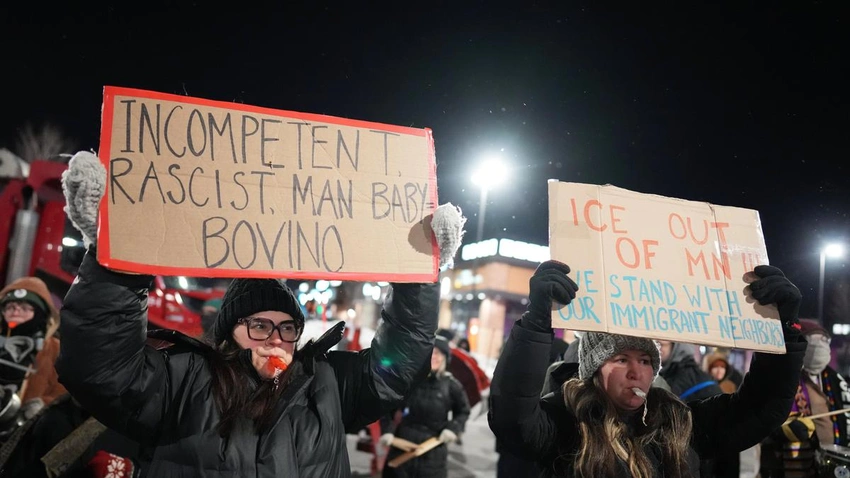
Minneapolis woke to tense scenes as protesters gathered outside the Bishop Henry Whipple Federal Building in sub-zero temperatures after the shooting of Alex Pretti by federal agents on Saturday. The death marked the second fatal shooting linked to the crackdown on undocumented migrants this month, fueling anger and questions about the scope and tactics of federal authorities in policing protests.
Witnesses and community groups described a city split between those demanding accountability and those concerned about further violence. Chants filled the streets, and nerves ran high as authorities tried to maintain order amid a growing sense that the confrontations could widen into weeks of demonstrations.
In Washington, the White House signaled a shift: after mounting criticism from lawmakers and rights groups, the administration reportedly moved to adjust oversight of immigration operations in Minnesota and even offered a warmer tone toward Governor Walz. Yet officials defended deportation policies as part of a broader security approach.
Analysts point to a recurring pattern in recent months, where hardline positions are quickly softened or re framed in the face of backlash. The latest episodes have fueled debates among Republicans and Democrats about how far the federal government should go to deter unauthorized immigration while preserving civil liberties.
Across the country, the shootings have become more than a local tragedy—they’re shaping a national conversation about protest, policing, and policy. As Minnesota wrestles with the immediate fallout, observers say the next moves will test whether the rhetoric can translate into lasting change.
