When Code Meets Country: Is 'Patriotic Hacking' a Crime or a Calling?

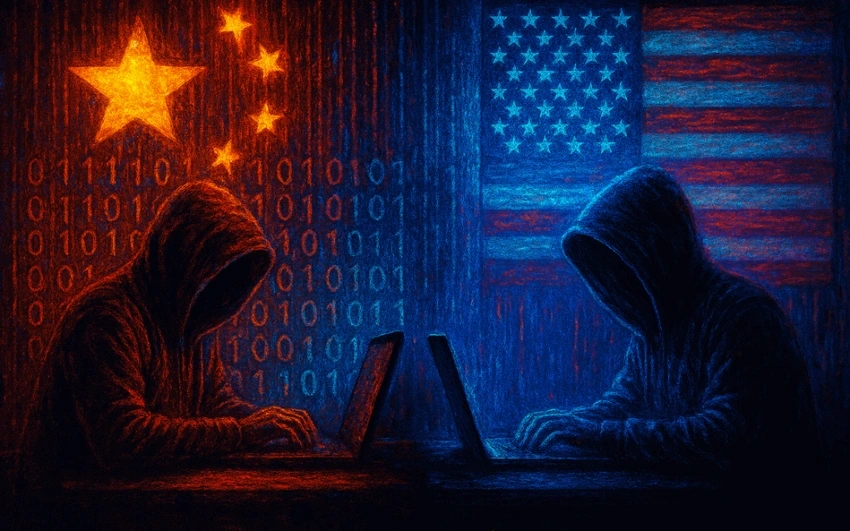
When Code Meets Country: Is 'Patriotic Hacking' a Crime or a Calling?
As global conflicts spill into cyberspace, a critical question emerges: Should citizens performing 'patriotic hacking' face accountability, or are they digital patriots?
Code and Country: The Unasked Question of Accountability
The digital battlefield has blurred beyond recognition. No longer confined to state-sponsored entities, international conflicts now see private citizens taking up digital arms, engaging in what's often termed 'patriotic hacking'. Think of the recent geopolitical tensions, where groups of self-proclaimed 'cyber-partisans' launch attacks on enemy infrastructure.
It's happening now, making the question of accountability critically urgent.
Should these digital combatants be praised as heroes or prosecuted as criminals?
The Allure of Digital Vigilantism
For many, 'patriotic hacking' is driven by a deep sense of national duty or solidarity. When their home country or an ally is under attack, some individuals feel compelled to contribute, even if it means operating outside conventional legal frameworks. They might target government websites, critical infrastructure, or propaganda outlets of an adversary.
This evokes a powerful sense of empowerment, the average person, from their basement, can strike a blow for their nation. The anonymity of the internet fuels this, offering both perceived protection and a platform for impactful, albeit unsanctioned, actions.
Unintended Consequences and Blurred Lines
However, the risks are immense. Uncoordinated, unsanctioned cyber operations can lead to severe unintended consequences. A misguided attack might inadvertently hit civilian infrastructure, escalating conflict, or even draw an unwarranted retaliatory strike.
Furthermore, such actions create a legal quagmire. Is an individual acting on their own considered a combatant, a terrorist, or merely a rogue actor?
'The digital battlefield demands clarity, not chaos,' notes cybersecurity expert Dr.
Anya Sharma. Without clear rules of engagement, governments themselves face a dilemma: condemn their 'patriots' and risk public outrage, or implicitly condone actions that violate international norms?

Who Draws the Digital Line?
The lack of a robust international legal framework for citizen involvement in cyber-warfare leaves everyone vulnerable. Governments struggle with attribution, was an attack state-sponsored or an individual's initiative? This ambiguity can be exploited by malicious actors, further complicating geopolitical relations.
Holding citizens accountable becomes complex when their actions align with perceived national interests, even if illegal.
We need transparent guidelines, perhaps even channels for citizens to report vulnerabilities or intelligence, rather than launching independent attacks.
Otherwise, the internet risks becoming a Wild West, where every keyboard warrior is a potential casus belli, with devastating real-world implications for global stability and individual liberty.