Trump's Greenland Talk Sparks Debate on US Energy Leverage

Trump's Greenland Talk Sparks Debate on US Energy Leverage
Trump hints at purchasing Greenland at Davos, triggering debate over neo-colonial fears and the new energy-geopolitics shaping the Arctic.
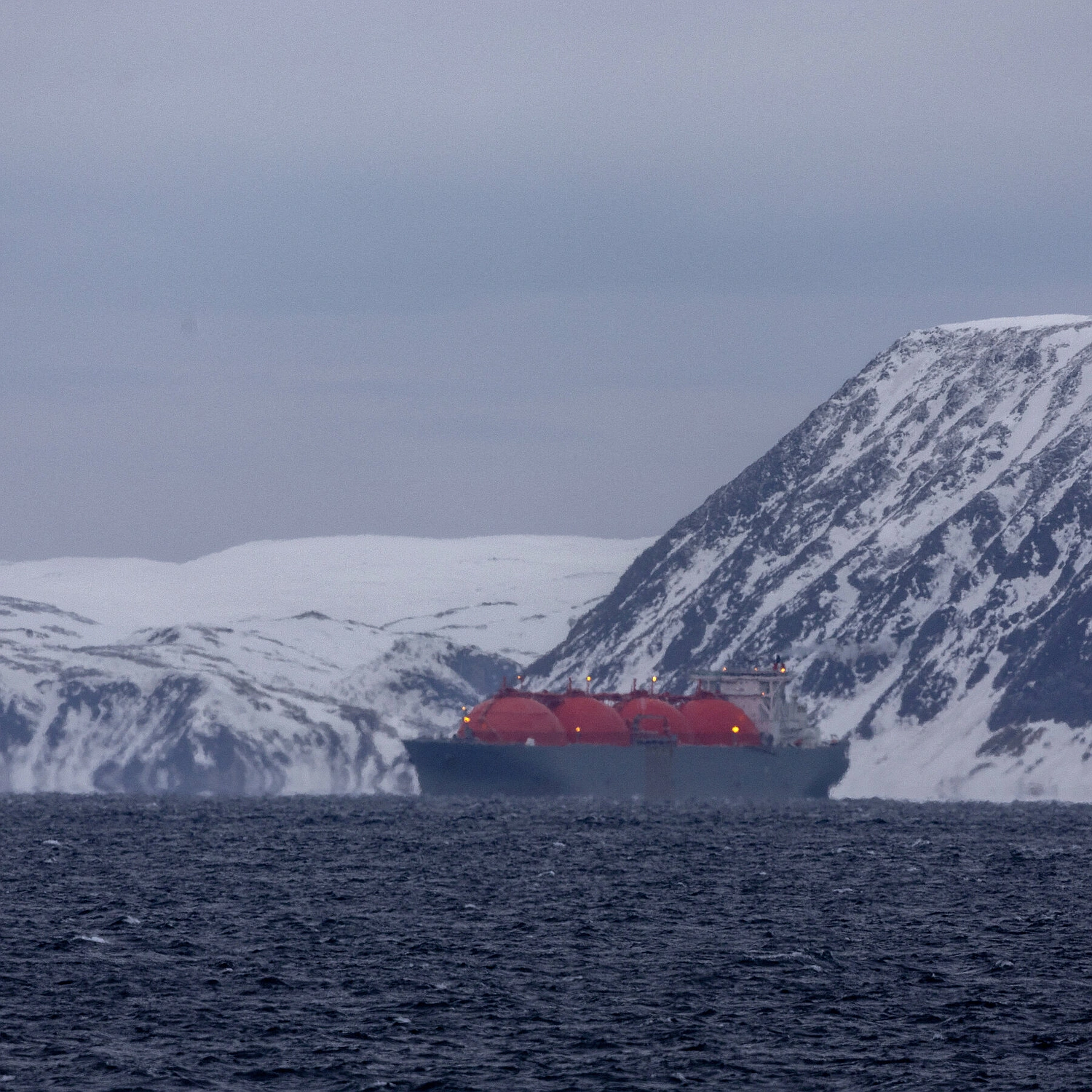
At the World Economic Forum in Davos, Donald Trump reignited chatter about Greenland, joking that the United States could “purchase” the ice-bound island, a remark that instantly revisited colonial-era anxieties and unsettled allies. The comment arrived as Arctic politics heat up around the Northern Sea Route, a potential shortcut for ships linking East Asia to Europe and North America, with shipping and security implications looming.
Analysts note that Greenland's mineral riches — including rare earths — are magnets for global powers, from China to Western markets. China's trial voyages through NSR and appetite for Greenland's resources amplify concerns that any deal would tilt the Arctic balance. Yet Greenland's own people have a long history of seeking greater sovereignty, and polls show broad resistance to any form of external domination.
For Washington, the rhetoric intersects with energy leverage in Europe, where Europe relies more on U.S. natural gas as tensions over Russian supply persist. The dialogue has framed energy as a tool of diplomacy, though critics warn that aggressive posturing could undermine alliances and stability in the Arctic region.
The Davos moment encapsulates a larger debate: as climate change opens new routes and opportunities, it also raises the stakes in a contest over influence, trade, and mineral wealth. With a potential shift in who controls strategic routes and supplies, the Arctic could become a flashpoint for a broader struggle over power and resources.
