Seva Teerth: Modi’s new PMO marks a bold shift from South Block

Seva Teerth: Modi’s new PMO marks a bold shift from South Block
Prime Minister Modi inaugurates Seva Teerth, moving the PMO and key secretariats from South Block to a modern complex in central New Delhi, signaling a new chapter.
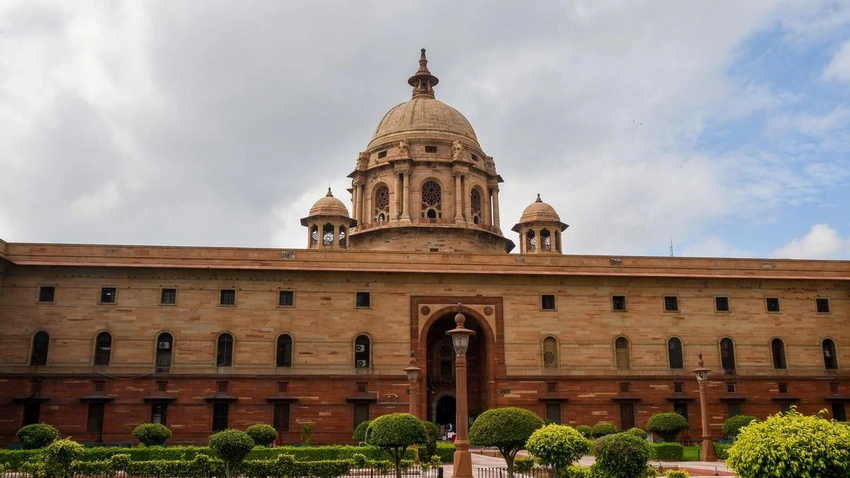
Prime Minister Narendra Modi unveiled the Seva Teerth complex, a purpose-built hub that will house his new office along with the Cabinet Secretariat and the National Security Council Secretariat. After 78 years, the PMO is moving out of the iconic South Block, a move many analysts call a symbolic turn away from the colonial-era nerve center of India's executive power.
Seva Teerth sits on Dara Shikoh Road in central Delhi, and Modi also unveiled Kartavya Bhavan 1 and 2, which will host additional ministries. The new complex is more than bricks and glass; it is framed as a bold new chapter in Indian governance and a reflection of the country’s evolving administrative needs.
Modi addressed a public programme in the evening, underscoring the move as part of a broader effort to modernize the government while preserving continuity. The old South Block, which has housed the PMO since independence, will pass into history as the Cabinet signals the start of a fresh chapter in the heart of New Delhi.
Officials say Seva Teerth is designed to streamline workflow among the PMO, the Cabinet Secretariat, and the NSCS, while the Kartavya Bhavan buildings will host other central ministries, potentially easing coordination. The shift is being read as a statement about how India wants to present itself on the global stage: inward-looking in reforms, outward-looking in public accountability.
As the city watches, the move cements New Delhi’s status as the seat of government and marks a deliberate departure from a colonial landmark toward a modern, centralized administrative complex.
