Joe Kent's Resignation Tests GOP Stance on Iran War

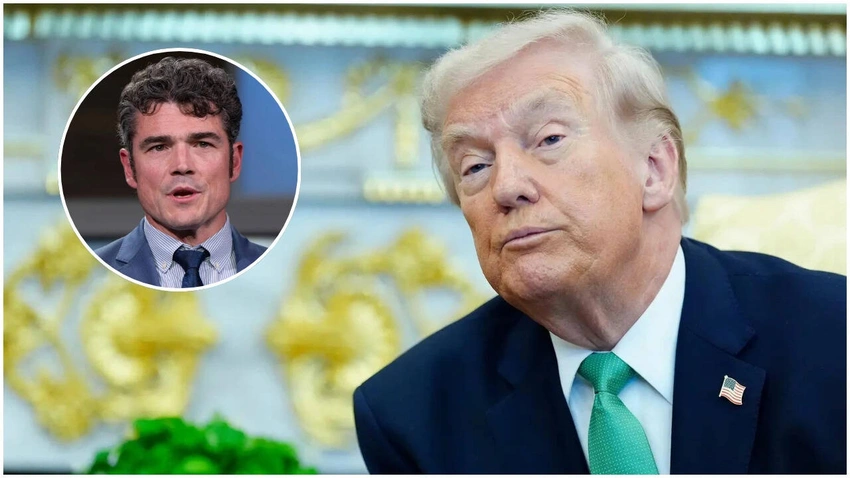
Joe Kent's Resignation Tests GOP Stance on Iran War
Resignation of NCTC chief Joe Kent sparks debate over Trump’s Iran policy, with the White House defending strikes and MAGA voices split over strategy.
Joe Kent's resignation as director of the National Counterterrorism Center has become a focal point in the ongoing debate over President Trump's Iran policy. Kent, who positioned himself as a MAGA ally, said he could not support military action against Iran, arguing there was no imminent threat and noting pressure from Israeli officials to act.\n\nKent's departure, described by aides as a principled stand, comes as the administration tightens its messaging at a moment of rising domestic security concerns and a fracturing Republican base. In response, the White House defended that the plan had been discussed at a higher level and that Kent was not involved in the operation talks. Officials also said Trump has full confidence in the DNI Tulsi Gabbard, countering Kent's claim that there was no imminent threat. Leavitt emphasized intelligence pointing to Iran's nuclear ambitions and a missile program that had expanded, conditions she says justified the strikes.\n\nKent told colleagues he could not in good conscience support moving to war, warning against repeating the mistakes of past interventions like Iraq. He cited Israeli pressure and internal disagreement within the administration and the broader Republican base. The resignation underscores deepening dissent among hawks who want a more aggressive approach and those who favor restraint.\n\nRepublicans offered guarded support for the strikes, arguing the measures were necessary to deter Iran; Democrats highlighted the risk of miscalculation and warned of political fallout from a fractured party. The fallout has spilled into political commentary, with right-leaning voices using Kent's resignation to illustrate fractures within the MAGA movement. Analysts say the development could complicate the administration's ability to secure congressional backing for future actions and could embolden critics who argue that foreign interventions carry substantial consequences. The episode also raises questions about the influence of external actors on U.S. foreign policy and how leadership transitions within the counterterrorism apparatus might affect ongoing operations.
