Bucks Tanking Post-Giannis: A Risky Bet or Masterclass?

Bucks Tanking Post-Giannis: A Risky Bet or Masterclass?
The Giannis Antetokounmpo trade has given the Milwaukee Bucks a controversial opportunity to tank. Can they exploit new NBA anti-tanking rules for a quick rebuild, or is it too risky?
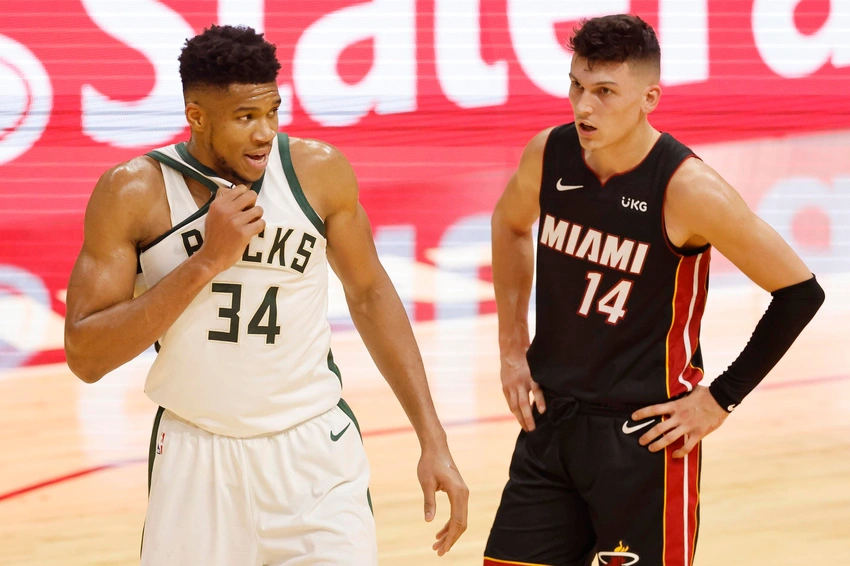
The NBA landscape shifts dramatically, and with Giannis Antetokounmpo’s move to the Miami Heat, the Milwaukee Bucks find themselves at a crossroads. Forget the traditional idea of rebuilding; what’s unfolding in Milwaukee looks like a meticulously planned, audacious plunge into the depths of tanking, even as the league tightened its anti-tanking screws.
Make no mistake, the haul for Giannis was significant: Tyler Herro, Kel'el Ware, Jaime Jaquez Jr., and Kasparas Jakučionis are solid pieces. But the real currency lies in the draft capital: the 2026 No. 13 pick, unprotected first-round picks in 2031 and 2033, and a 2030 pick swap. On the surface, this might seem like the foundation of a swift rebuild.
Look closer, and you'll see the framework of a calculated deconstruction.
Here's the wild card: the Bucks have already shipped out most of their own draft picks until 2031. This, paradoxically, gives them leverage. With their own future picks largely gone, deliberately losing games - or “tanking” - doesn't carry the usual penalties under the new lottery system.
They can't improve their own lottery odds much if they don't have many lottery picks to begin with.
Instead, by getting worse, they could devalue the picks they traded away to acquire Giannis originally, potentially making their own past moves look less damaging in retrospect while focusing entirely on maximizing the new assets they just acquired. It's a risky but fascinating exploit of the system.
So, what's the next play? It's not about competing now; it's about accumulating even more assets for the long game. Expect to see Herro, talented as he is, on the trade block.
Veterans like Myles Turner and Kyle Kuzma, if they're still on the roster, would fetch additional draft capital or promising young players from contenders. The true genius lies in their potential willingness to absorb unwanted contracts from other teams, using their cap space as a resource to acquire even more draft picks. This kind of strategy isn't pretty, but it rapidly accelerates the accumulation of future assets.
But let's be real, this is a high-stakes gamble. The “process” can be brutal on fan morale, player development, and the overall culture of a franchise. There's no guarantee that the picks they acquire will turn into stars, or that the young players they draft will reach their potential.
History is littered with teams that tried to tank and ended up in perpetual mediocrity.
Maintaining player buy-in and attracting free agents during a prolonged teardown is an immense challenge.
The new anti-tanking rules were designed to prevent exactly this kind of deliberate collapse, yet the Bucks, by virtue of their previous trades, might have found a loophole.
Is this the dawn of a new, albeit painful, championship window for Milwaukee in the late 2020s and early 2030s? Or is it a dangerous dive into irrelevance for a team that just had an MVP? Only time will tell if this bold, arguably cynical, strategy pays off.
It's a fascinating case study in NBA economics and competitive strategy, pushing the boundaries of what's considered a rebuild versus a deliberate deconstruction.
