Middle East Tensions Ignite Fuel Fears: US-Iran Strikes Rock Global Markets

Middle East Tensions Ignite Fuel Fears: US-Iran Strikes Rock Global Markets
Escalating US-Iran strikes in the Middle East heighten fears of global fuel supply disruptions. Learn how the Strait of Hormuz crisis is impacting oil prices and international shipping. Stay informed!
The Middle East is once again at a critical juncture as renewed hostilities between the United States and Iran escalate, sparking serious concerns across global markets. Following a new wave of US strikes, Tehran has declared such actions render diplomacy "futile," signaling a deepening impasse in the volatile region.
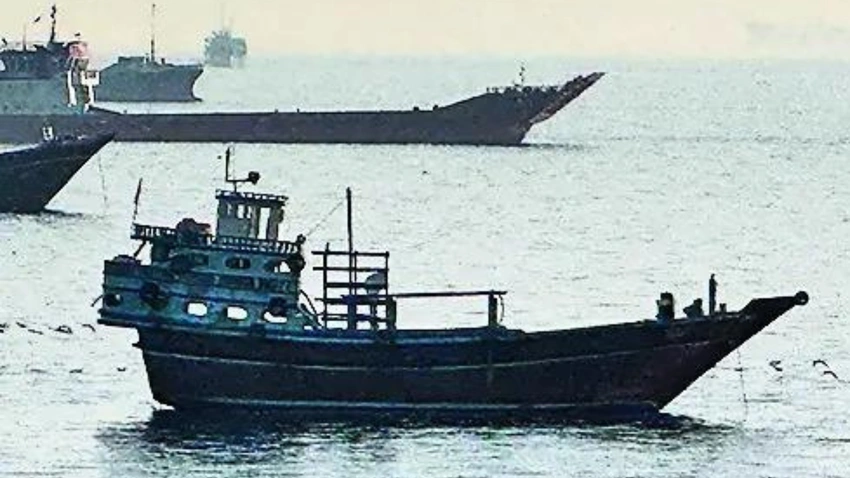
Central to this crisis is the strategically vital Strait of Hormuz, a crucial choke point for global oil shipments. Recent incidents, including an Iranian attack on a ship reportedly carrying Indian crew members, have intensified worries about potential disruptions to international fuel and fertilizer supplies. These developments have already led to an uptick in global oil prices, reflecting the market's anxiety over instability in a region vital for energy transit.
Adding to the complexity, Iran has reportedly sought to establish a permanent system for collecting fees in the Strait of Hormuz, warning vessels not to navigate without its explicit authorization. This move could further complicate shipping and trade, impacting global supply chains. Indian authorities are closely monitoring the situation, issuing advisories to seafarers and delaying new ship movements from India, though they affirm sufficient crude oil stocks are in place for now.
The flare-up underscores the fragility of peace in the Middle East and its far-reaching economic repercussions. As global powers and regional players navigate these tensions, the international community watches closely for any further escalation that could jeopardize global economic stability and energy security.
