American Yom Kippur: A Day of Reflection & Atonement for Jews Across the U.S.

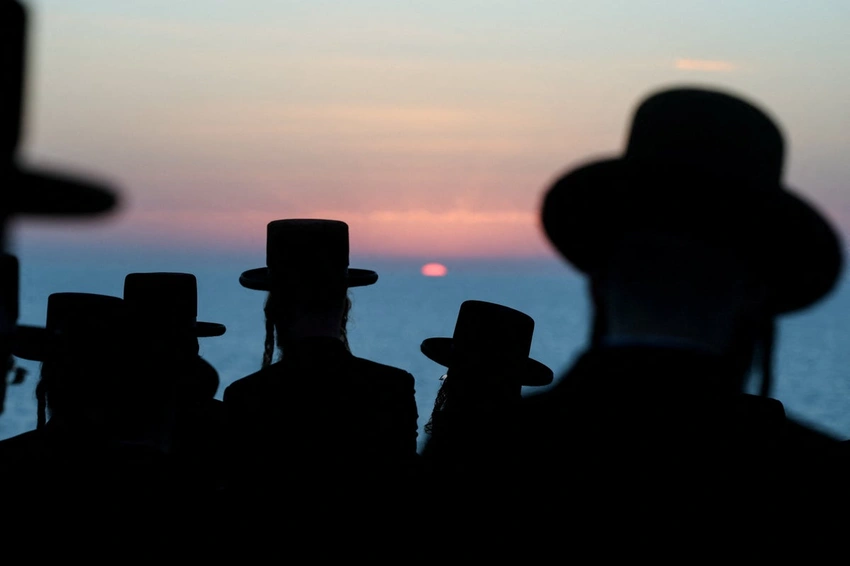
American Yom Kippur: A Day of Reflection & Atonement for Jews Across the U.S.
Explore Yom Kippur, Judaism's holiest day, as observed by Jews across the U.S. Discover its profound significance, traditional rituals, and spiritual striving.
Yom Kippur, observed today by Jewish communities across the United States and worldwide, stands as the holiest day in the Jewish calendar. Often referred to as the "Day of Atonement," it is a pivotal occasion for reflection, repentance, and spiritual renewal. For Jewish people, it's a day dedicated to seeking forgiveness from God and fellow human beings, making amends for past transgressions, and committing to a better path in the year ahead.
The observance of Yom Kippur is deeply solemn and rich in tradition.
It begins on the evening of the 9th day of the Hebrew month of Tishrei, concluding the following evening, and is marked by a rigorous 25-hour fast. This fast, from sunset to sunset, involves abstaining from food, water, and other physical pleasures, allowing individuals to focus entirely on spiritual matters.
This period of self-denial is central to the process of atonement, enabling a deeper connection to one's faith and an introspection into one's actions.
Beyond the fast, a significant portion of Yom Kippur is spent in synagogue, engaged in intensive prayer services. These services, which often extend throughout the day, include special liturgies such as the Kol Nidre prayer recited on the eve of Yom Kippur, and the Neilah prayer, which is the concluding service just before sunset.
These prayers are heartfelt appeals for forgiveness and an affirmation of faith, bringing congregants together in a shared spiritual journey.
Across the diverse Jewish landscape of the U.S., individuals observe Yom Kippur with varying degrees of personal and communal practice. From long treks to synagogue for communal prayer to quiet, personal spiritual striving at home, the essence remains the same: a profound commitment to introspection and spiritual growth.
It's a day when many Jews reflect on their relationships, their ethics, and their purpose, aiming to start the new year with a clean slate and renewed determination. The shared experience of this sacred day fosters a strong sense of community and continuity, linking generations and affirming core Jewish values.
