The Eyes Inside: Are Robotaxis Spying on You?

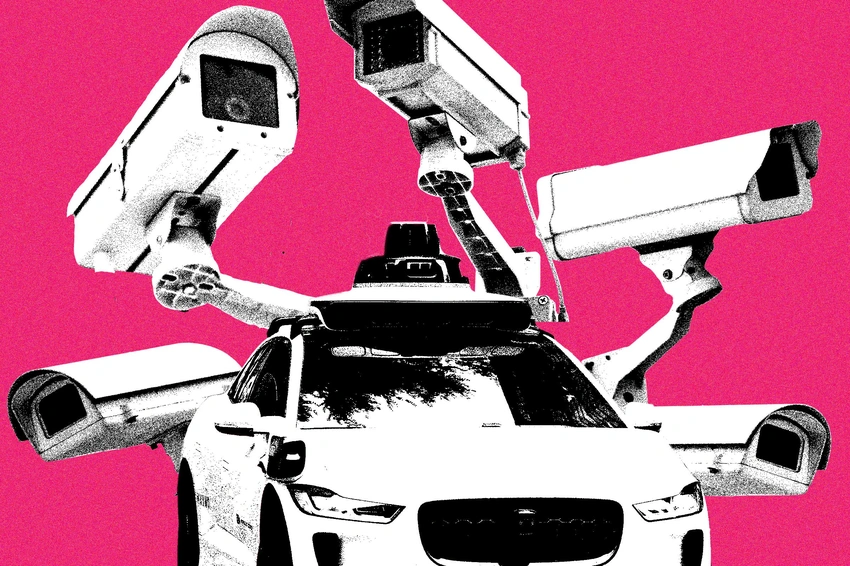
The Eyes Inside: Are Robotaxis Spying on You?
Your self-driving ride is convenient, but what’s the cost to your privacy? Unpack how Waymo, Zoox, and Tesla are using in-cabin cameras, and why experts say you're never truly alone.
It's a scenario straight out of a near-future thriller: a self-driving Waymo vehicle pulls over, and local police are called. The reason? Human staffers, watching via in-cabin cameras , believed they saw teens firing a black handgun from the car.
While the 'weapon' turned out to be a water-filled Orbeez gun, the incident in San Mateo County highlighted a truth many riders might overlook: your robotaxi is watching.
We're all familiar with the myriad cameras and sensors studding the exterior of these autonomous vehicles from companies like Waymo, Zoox, and Tesla. They help the cars 'see' the world.
But what's less talked about are the cameras inside , often pointed directly at passengers.
Companies argue these are vital for rider safety, enforcing rules, and even checking for lost items or cleanliness between trips.
But the surveillance extends beyond simple operational needs. Waymo, for instance, uses automated technology to flag potential violations, and a 2025 patent describes systems for automated 'predetermined ride checklists' before, during, and after rides.
Zoox is even more direct, stating on its website that its interior cameras 'record the entirety of your ride.' This data isn't just for safety; it's also explicitly used to 'develop and improve Zoox's product.' Tesla offers an opt-in for sharing in-cabin video and audio, with a green indicator showing when the camera is active.
Here's the catch: the 'terms of service' we click through, often lengthy and in tiny fonts, grant these companies broad leeway. These agreements can include catch-all terms allowing data usage to 'improve their products or services,' which could cover almost anything. And in the US, clear rules governing this level of surveillance are scarce.
Experts are ringing alarm bells. Matthew Guariglia, a senior policy analyst at the Electronic Frontier Foundation, puts it plainly:
We are being essentially abandoned by our lawmakers when it comes to consumer privacy and what companies can do with information after they've collected it.
His advice? "Just because you're alone in the car doesn't mean you're alone in the car.
You should behave as if there's a jumpy person in the front seat.”
While robotaxi firms claim human staff only view interior cameras 'when needed,' it's clear the cameras are always on and collecting data. And this data, including your recordings, can and may be sent to law enforcement or regulators, as per company policies. Waymo's own support page notes that government agencies seeking data 'are directed to follow valid legal processes in making such request.'
So, as we embrace the convenience of driverless cabs, we must ask ourselves: what price are we truly paying? Are we comfortable trading personal privacy for hands-free transport, or do we need clearer regulations to protect us from the ever-watchful eye of the robotaxi?
