China’s Economy Shows Cracks as Iran War Bites Manufacturing

China’s Economy Shows Cracks as Iran War Bites Manufacturing
Iran’s war pushes oil prices higher as China’s manufacturing-led growth shows cracks, though strategic reserves cushion energy costs.
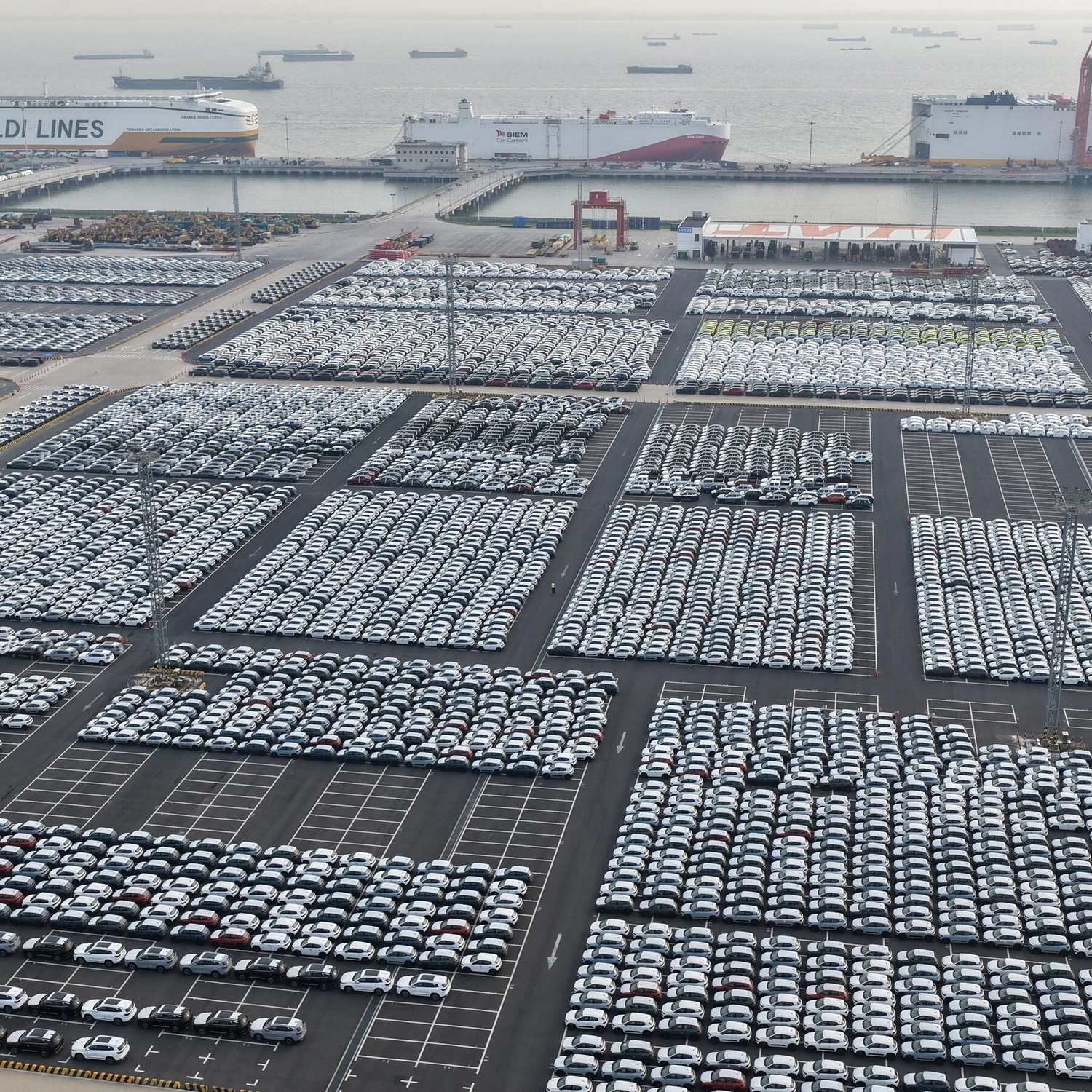
China’s economy is under closer scrutiny as manufacturing activity signals weakness amid a tightening global energy picture sparked by the Iran conflict. While the country’s vast strategic reserves shield domestic energy costs to a degree, factory output and investment appear to be faltering after years of rapid expansion. The interplay between higher energy prices and a still-recovering global demand backdrop is weighing on production lines and long-term planning in many plants across the country.
Energy cushions matter, but they aren’t unlimited. Elevated crude prices have begun to bite margins for manufacturers that rely on imported raw materials, squeezing profits and fueling concerns about the cost structure facing exporters and small-to-medium enterprises. The result is a more cautious mood among factory managers and a revaluation of near-term growth timelines as energy volatility persists.
Looking ahead, policymakers face a delicate balancing act: shore up confidence with targeted support for exporters and investment while continuing reforms to raise productivity and diversify growth away from heavy industry. If the Iran conflict continues to press energy markets, the coming quarters will test China’s resilience and require careful navigation to sustain a stable path for the economy.
