Kanye West's Wireless slot faces cancellation calls in London

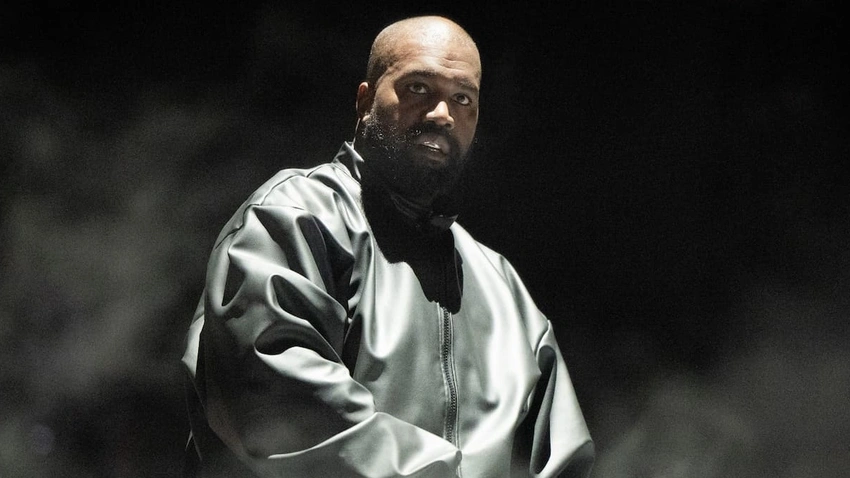
Kanye West's Wireless slot faces cancellation calls in London
London leaders condemn Kanye West’s Wireless headlining amid safety and accountability concerns, sparking a heated debate over big-event bookings.
Kanye West is set to headline all three nights at Wireless Festival this July, a move that has quickly become a flashpoint in London. The announcement has drawn swift criticism from prominent figures who say the choice is “disturbing” and “deeply irresponsible,” underscoring how a single booking can ignite a broader conversation about public safety, community impact, and accountability at major events.
City leaders and influential community groups have voiced concerns that go beyond entertainment value. They point to the potential for heightened tensions, crowd management challenges, and the reputational risks for a festival that draws tens of thousands of fans from across the country. In this moment, the discussion is less about a performance and more about how big cultural moments intersect with civic responsibilities.
The controversy taps into a wider debate about cancel culture, free expression, and the boundaries of what audiences will tolerate at large-scale gatherings. Supporters of the decision argue that festival lineups should reflect artistic diversity and personal redemption arcs, while critics warn that associating with a controversial figure could alienate attendees and sponsors alike and may require enhanced security and community dialogue.
Meanwhile, organizers have not publicly clarified their next steps, leaving many to wonder whether a change in the lineup is possible or if the show will go ahead as planned. As July approaches, stakeholders are watching closely to see whether the discussion will translate into policy, assurances for attendees, or a reevaluation of how festival programming should be approached in a climate of heightened scrutiny over public figures.
For London, the episode is more than a musical booking. It’s a case study in how cities navigate the tension between high-profile performances and the communities that feel affected by them. The outcome could influence future festival negotiations, sponsor decisions, and how similar disputes are handled in the public sphere. In an era where celebrity moments become collective conversations, this saga reminds us that entertainment and public accountability can collide in unpredictable ways.
