Remaking 'Bad' Movies: Brilliant Tribute or Risky Business?

Remaking 'Bad' Movies: Brilliant Tribute or Risky Business?
Are cult classic remakes a loving nod to accidental genius or a dangerous game that could tarnish the original magic? Dive into the debate around reimagining iconic 'bad' films and what's really at stake.
The world of cinema is constantly recycling, reimagining, and revisiting stories. But what happens when the source material isn't a critically acclaimed masterpiece, but a film so famously flawed it became a cult classic? The debate around remaking 'bad' movies isn't new, yet every new announcement reignites a passionate discussion: is this a brilliant tribute to accidental genius, or a risky gamble that threatens to dilute the very essence that made the original iconic?
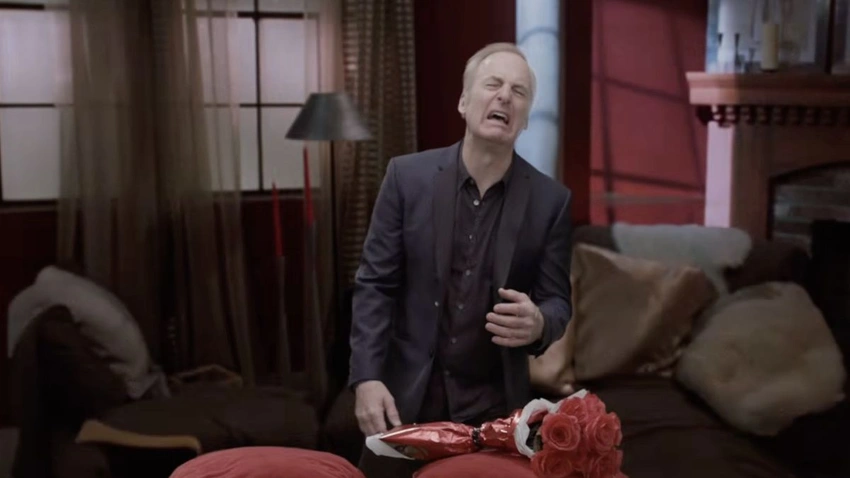
On one hand, the idea of a remake can feel like a loving homage. These films, often born from misguided visions or amateur execution, have a unique charm. They weren't trying to be bad; they just were, and in doing so, stumbled into a bizarre form of artistry. A new generation of filmmakers, often fans themselves, might approach such a project with respect, aiming to amplify the unintentional comedy or peculiar drama that captivated audiences for decades. Imagine a project where talented actors embrace the chaos with unexpected gravitas, transforming a cinematic disaster into an unpredictable spectacle. This approach isn't about fixing the 'mistakes' but understanding them as integral to the film's identity, perhaps even using innovative techniques, like reimagining the entire production in front of a green screen, to lean into the absurdity.
Such projects can also serve as a gateway. For those unfamiliar with the original, a high-profile remake featuring recognizable talent might be their first exposure to the quirky world of these 'so bad it's good' classics. It can spark curiosity, leading new fans back to the source and keeping the original's legacy alive, ensuring it continues to be discussed and debated. When proceeds from such endeavors benefit charitable causes, it adds an altruistic layer that can temper even the fiercest critics.
However, the risk is undeniable. The magic of a 'bad' cult classic often lies in its authenticity—the unpolished edges, the baffling narrative choices, the earnest but often wooden performances. These are qualities incredibly difficult to replicate intentionally. Trying too hard to be 'bad' can come across as cynical or forced, stripping away the very sincerity that made the original compelling. The unintentional humor gives way to deliberate parody, and what was once a genuine, if flawed, piece of work becomes a calculated, lesser imitation. Fans who cherish the original might feel that a remake, no matter how well-intentioned, inherently misses the point, trying to capture lightning in a bottle that can never be truly recreated.
Ultimately, remaking a cult classic 'bad' film is a tightrope walk. It requires a profound understanding of what made the original special—not just its flaws, but the unique cultural phenomenon it became. When executed with reverence, creativity, and a touch of self-awareness, it can indeed be a fascinating tribute. But without that delicate balance, it risks becoming just another forgettable rehashing, proving that sometimes, the most perfect imperfections are best left untouched.
