Gingee Fort Joins UNESCO World Heritage List, Boosting Tamil Nadu’s Cultural Pride

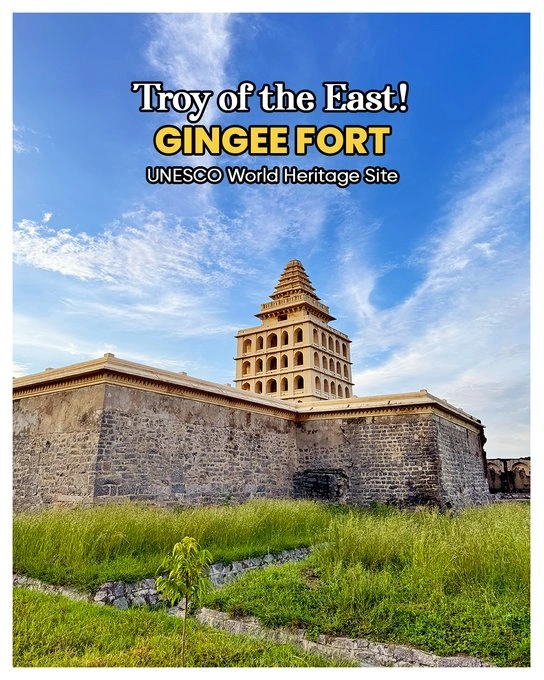
Gingee Fort Joins UNESCO World Heritage List, Boosting Tamil Nadu’s Cultural Pride
Gingee Fort in Tamil Nadu has officially become a UNESCO World Heritage Site, enhancing its historical significance and boosting tourism. Find out what this means for the region!
Known as the "Troy of the East," the Gingee Fort in Villupuram district was named a UNESCO World Heritage Site on Friday, July 11, 2025, along with 11 other forts that comprise the Maratha Military Landscapes. This designation brings international recognition and the potential for increased international tourism. The decision was made at the World Heritage Committee's (WHC) 47th session, which is currently taking place in Paris.
"The proposal was sent to the consideration of the World Heritage Committee in January 2024, and after a rigorous 18-month process, involving several technical meetings with the advisory bodies and a visit of ICOMOS's mission to review the sites, this historic decision was taken by the members of the World Heritage Committee today evening at UNESCO Headquarters, Paris," a press release states.
Global Recognition
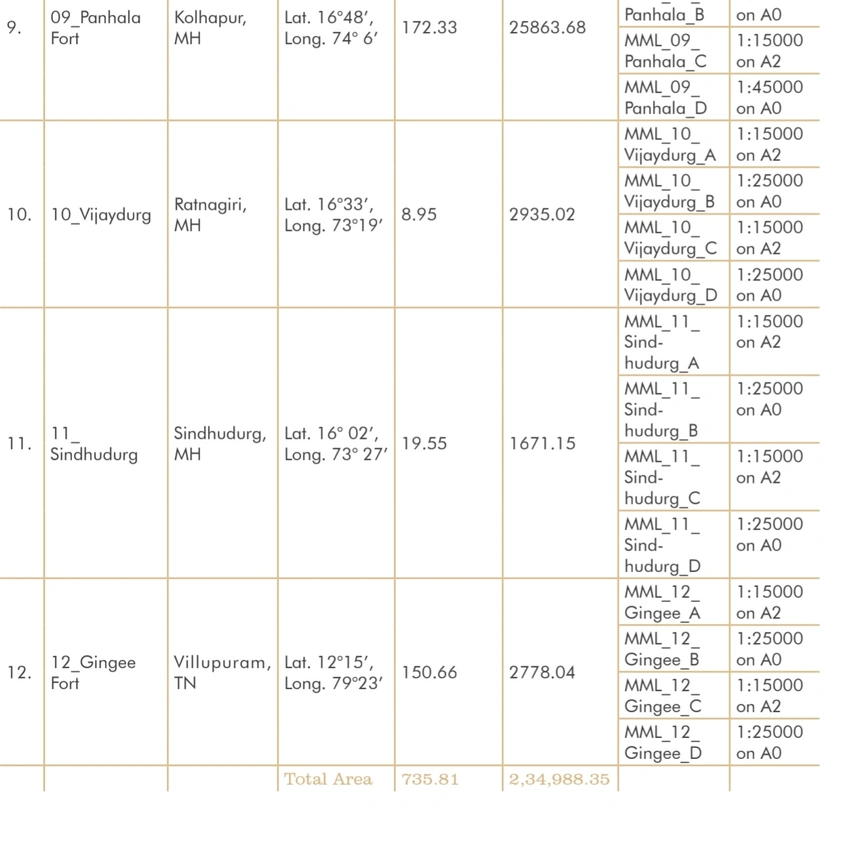
Twelve elements make up India's Maratha Military Landscapes, which are dispersed throughout various geographical areas. Maharashtra is home to eleven of these sites. The only Tamil Nadu candidate for the World Heritage Site designation was the Gingee Fort in Villupuram. For the 2024–25 cycle, the UNESCO tag nomination was made. After site visits to 12 locations, including Gingee Fort, were completed by an expert committee of the International Commission on Monuments and Sites (ICOMOS) in September of last year, the Center formally nominated the Maratha landscapes as India's entry for 2024–2025.

According to an official in the State Department of Archaeology, “Development and Research Organisation for Nature, Arts and Heritage (DRONAH), an interdisciplinary organisation, had prepared the Nomination Dossier and Management Plan for Gingee Fort’s nomination as a UNESCO World Heritage Site. The dossier was prepared as per the UNESCO Operational Guidelines for World Heritage Convention and includes a description of the property, justification for inscription, state of conservation, and factors affecting the property, protection and management, monitoring, and documentation.”
The History
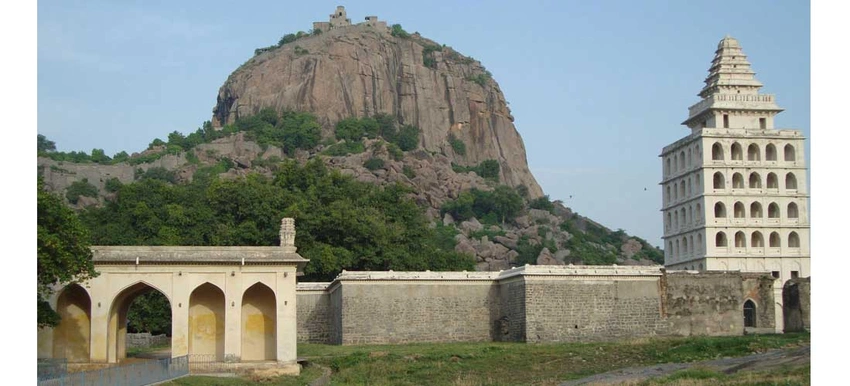
Perched atop three hillocks, Rajagiri, Krishnagiri, and Chandragiri, the "Troy of the East" was regarded as impregnable and represented the State's illustrious past. It had seen centuries of empires come and go. The fort was constructed in 1,200 CE by Ananta Kon of the Konar Dynasty, but its ownership changed multiple times. The Vijayanagara Nayaks, Marathas, Mughals, Nawabs, the French, and the British were among the empires that possessed it.
According to D. Ramesh, assistant professor of history, Arignar Anna Government Arts College, Villupuram: “The inscription of the fort as a World Heritage Site will further boost tourism. The first fortification was built by Ananda Kon in the 12th Century. His successor fortified the northern hill in 1,240 CE and called it Krishnagiri, while the other buildings and structures were raised by successive rulers. The next comprehensive constructions at the fort were done under the auspices of the Vijayanagar Empire.”
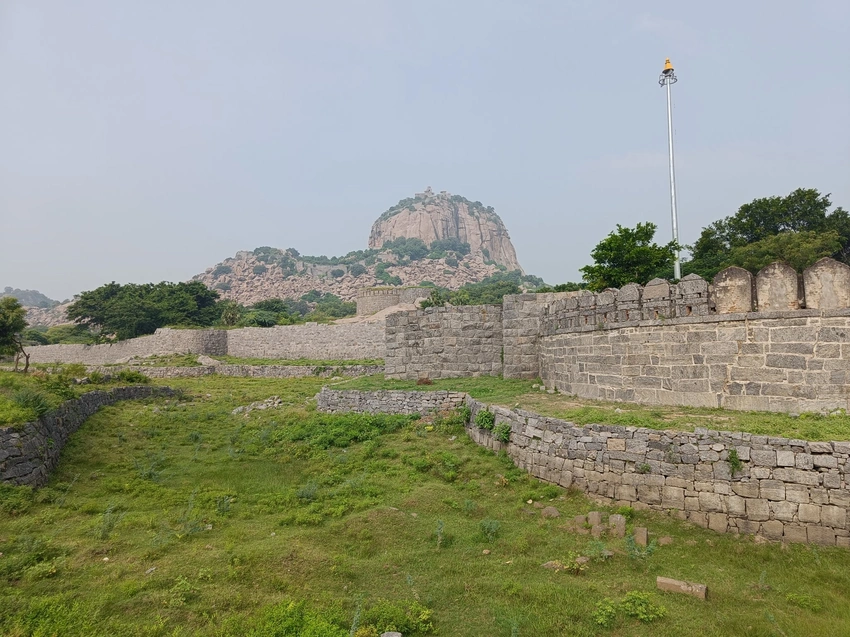
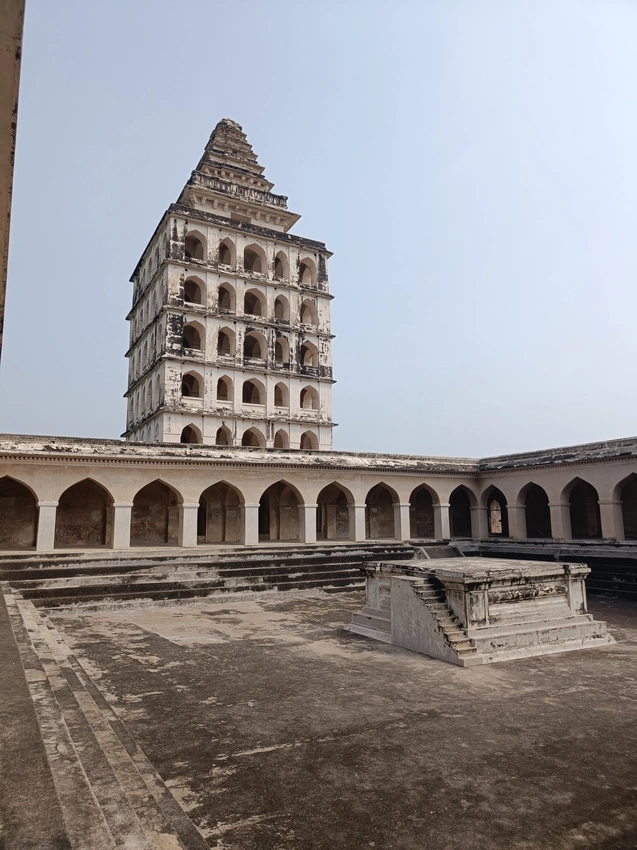
A stepped well, a Kalyana Mahal, a durbar hall, a clock tower, a cannon, an armoury, an elephant tank, a stable, a granary, a gymnasium, the Venkataramana temple, the Sadathtulla mosque, and more are all located within the 11-acre fort. At one point, the fortress's two complex water supply systems, one from the Nayaks and the other from the Nawab period, had guaranteed a steady supply of water, even at the top of the building.
To Conclude
The UNESCO designation of Gingee Fort is a proud moment for Tamil Nadu and India. However, maintaining this legacy calls for rigorous regulatory oversight, community involvement, and balanced planning. In light of contemporary demands, this event serves as a reminder of the importance of preserving the past while laying the groundwork for a sustainable future.
#GingeeFort #UNESCO #HeritageSite #Tourism #CulturalPreservation
