Government Firm: No 'Creamy Layer' Exclusion for SC/ST Quotas!

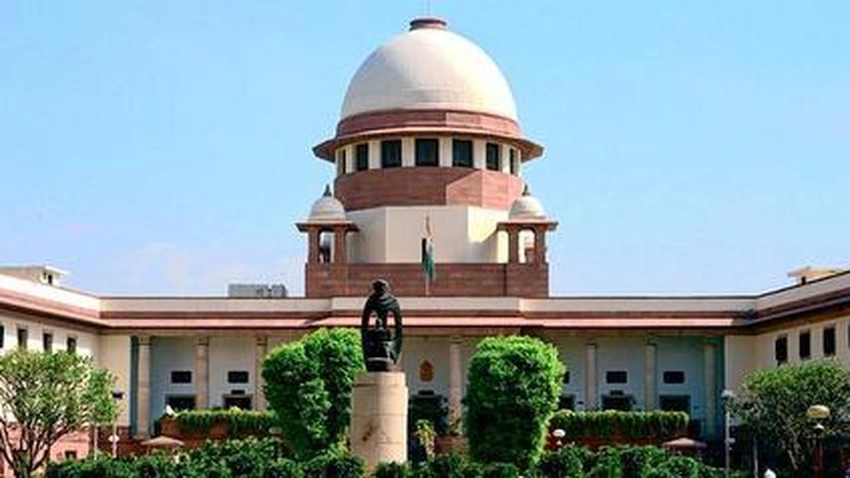
Government Firm: No 'Creamy Layer' Exclusion for SC/ST Quotas!
India's government tells Supreme Court it won't apply 'creamy layer' to SC/ST reservations. Discrimination isn't just economic; quotas address historical wrongs. What's next?
The Centre has firmly told the Supreme Court that it opposes applying the 'creamy layer' criterion to exclude affluent members of Scheduled Caste (SC) and Scheduled Tribe (ST) communities from reservation benefits in jobs and educational institutions. The government emphasized that discrimination against SC, ST, and Other Backward Classes (OBC)/Socially and Educationally Backward Classes (SEBC) communities is not solely based on economic conditions.
According to the government, the system of reservation aims to provide fair opportunities, reduce economic disparities, and foster diversity in governance and academia by addressing historical marginalization. It highlighted that the challenges faced by these communities are rooted in more than just economic issues.
This stance comes nearly a year after the Supreme Court sought a response to a Public Interest Litigation (PIL) by two individuals. Previously, on August 1, 2024, a seven-judge bench of the top court had permitted states to sub-categorize castes within SC communities. This sub-categorization was allowed based on socio-economic backwardness and the degree of under-representation in government jobs, aiming to ensure that the 15% quota effectively reaches the most backward sections. The court had also asked governments to devise suitable criteria to prevent the 'creamy layer' among the SC community from monopolizing reservation benefits.
However, the government's recent affidavit asserts that any modification to the reservation policy, especially to introduce income-based preferences within reserved categories, must be preceded by a holistic review and thorough empirical study, including socio-economic data of beneficiaries. It strongly reiterated that such changes can only be enacted by Parliament. The Centre underscored that Parliament alone holds the power to modify the list of SC and ST communities entitled to quotas, whether by including or excluding any caste, tribe, or a group within them. This position underscores the government's view that fundamental changes to reservation policies are legislative matters requiring extensive research and parliamentary approval.
