Trump Denies Adviser Opposed Iran War as U.S. Ramps Up Presence

Trump Denies Adviser Opposed Iran War as U.S. Ramps Up Presence
Trump rejects reports that a top military adviser warned against striking Iran, while Washington boosts forces in a region already on edge.
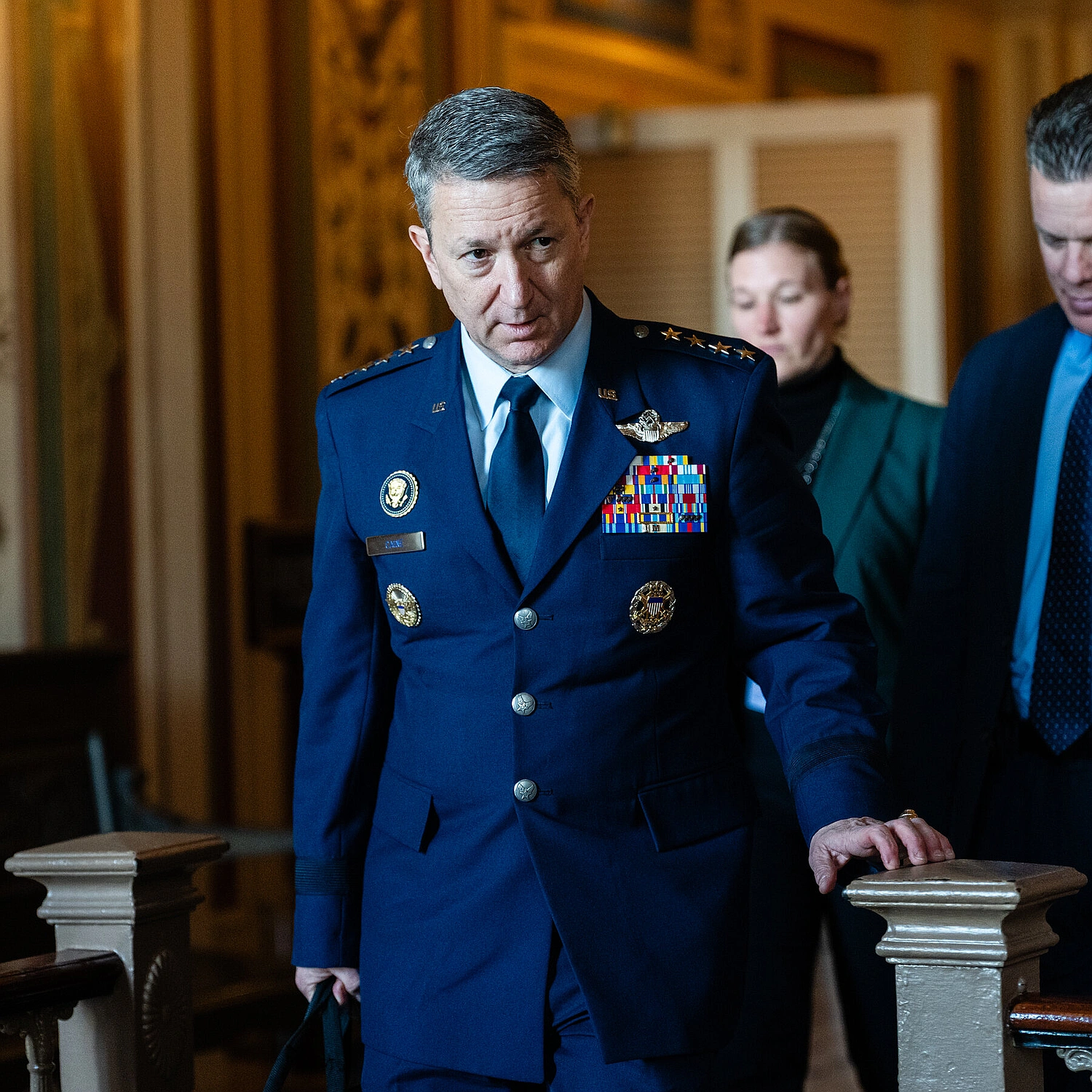
In a move that keeps the air tense over Washington, President Donald Trump dismissed claims that his top military adviser warned against a potential war with Iran, calling those reports '100% incorrect.' He insisted that General Daniel Caine believes any conflict would be easily won and that he, not anyone else, would make the final call on military action. At the same time, the United States is reinforcing its military presence in the region, a move that has sparked renewed concerns about a broader confrontation.
Across Washington corridors and media pages, accounts diverge on what the chairman of the Joint Chiefs of Staff supposedly told the president in high-level meetings. Some reports depicted the general as arguing that an attack could yield a rapid victory, while others described cautions about risks and entanglement in a long-term conflict. The White House has pushed back against these characterizations, while the larger debate over Iran policy continues to unfold in public and private discussions alike.
Additionally, other outlets have indicated that a senior military officer warned of various risks associated with strikes against Iran, including the potential for extended entanglement. Those descriptions have added to the climate of doubt and debate surrounding any potential action. Despite the mixed narratives, the overarching message from the administration remains that decisions on military moves would be made by the president, with the security apparatus prepared to respond as needed.
The United States' regional posture has grown more visible as forces are positioned to deter any escalation. Analysts say the current discourse highlights the volatility of a situation that many fear could deteriorate quickly if miscommunications occur or if a miscalculation takes place. As rhetoric tightens and policy signals shift, observers urge restraint, clarity, and careful consideration of the consequences for regional stability and global security.
