Your Next AI Assistant Never Sleeps: The Rise of 'Always-On' Agents

Your Next AI Assistant Never Sleeps: The Rise of 'Always-On' Agents
Meet the new wave of AI agents designed to be 'always on,' handling everything from restaurant bookings to complex work tasks 24/7. Discover how OpenAI's Dots and others are changing the game.
The world of artificial intelligence is buzzing with a groundbreaking development: the emergence of 'always-on' personal AI agents. These aren't your typical assistants that wait for a command, they're designed to constantly work in the background, tackling personal tasks and even complex multi-step work processes around the clock. This shift marks a significant leap, pushing AI from reactive tools to proactive partners.
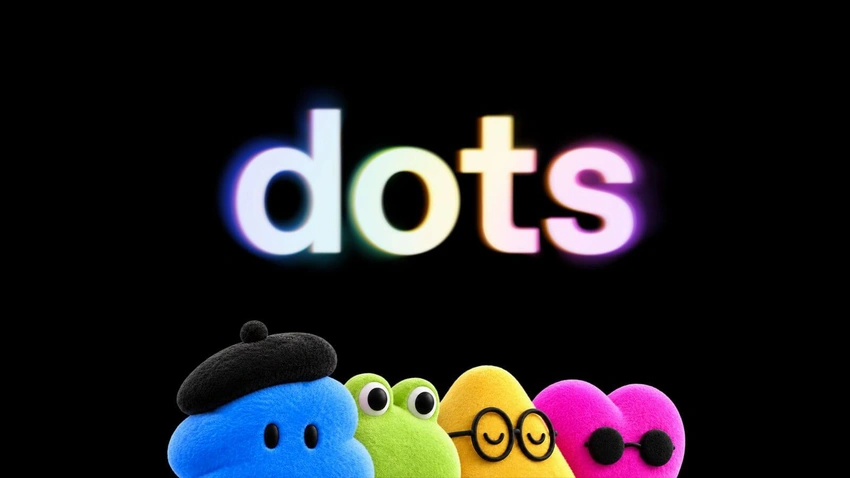
OpenAI has stepped into this arena with its own offering, 'Dots.' These agents are built to handle a vast array of responsibilities, from simple restaurant reservations to intricate invoicing workflows. During a recent presentation, OpenAI CEO Sam Altman described Dots as “built to handle everything.” Even with a few live demo stumbles, the vision is clear: an AI that's perpetually engaged with your needs.
How Do These Agents Function?
Dots, for instance, are powered by GPT-6 Astra, one of OpenAI's cutting-edge AI models.
Each agent operates within its own virtual machine or cloud computer, providing a dedicated and isolated environment.
Crucially, they boast browser access and leverage a host of plugins, allowing them to connect with over 4,000 apps and execute diverse tasks.
They continuously learn from user feedback, tirelessly working towards assigned goals 24/7.
Communication with Dots is seamless, occurring via a regular chat window or call across desktop, web, or mobile versions of ChatGPT. Upcoming integrations with Slack and Microsoft Teams will further embed them into daily workflows. A standout feature is their memory retention, allowing context to carry over across various channels, imagine starting a project in ChatGPT and seamlessly continuing it on Slack.
The Proactive Edge
What truly sets these agents apart is their relentless nature. Dots, for example, 'never stop working.' Even when not explicitly assigned a task, the AI agent engages in 'proactive research' using connected apps. This background activity, however, is restricted to read-only mode, meaning it won't send messages, alter app content, or control your browser without specific instruction.
This ensures a layer of safety while still providing continuous utility.
A Crowded and Competitive Landscape
OpenAI's Dots arrive in an increasingly competitive market. Many see Dots as a direct response to the successful launch of Meta's Muse, a personal AI agent that quickly topped app store charts. Other players like Instinct, SpaceXAI's Grok Bot, and Microsoft's Autopilot are also carving out niches, with some focusing on workplace collaboration, others on personalized everyday tasks, and some aiming to do a bit of everything.
While there are evident similarities, so much so that an OpenAI executive once accidentally referred to Dots as Muse, each agent offers distinct features. The core principle, however, remains consistent: these AI companions work best when granted broad access to user data, apps, and accounts. This access allows them to understand user preferences, thinking patterns, and what 'a job well done' truly means.
What's Next for Personal AI?
The rise of 'always-on' AI agents like Dots signals a new era of personalized productivity and assistance.
As these systems become more sophisticated, the line between passive tools and active, intelligent partners will continue to blur. The challenge for developers will be to balance their continuous operation with robust safeguards, ensuring user control and privacy remain paramount.
This is more than just a trend; it's a fundamental shift in how we interact with technology.
