Super Typhoon Bavi Lashes US Pacific Islands with Destructive Winds!

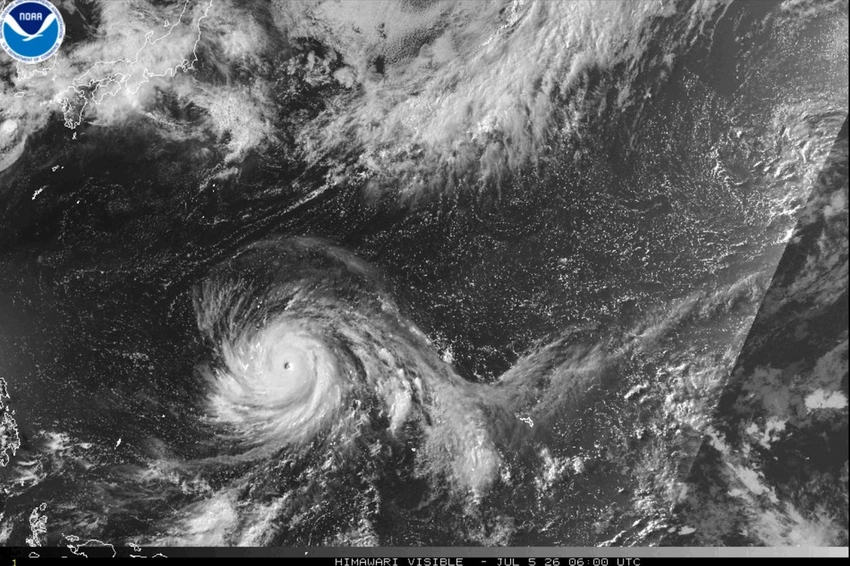
Super Typhoon Bavi Lashes US Pacific Islands with Destructive Winds!
Super Typhoon Bavi brings devastating 350km/h gusts to US Pacific islands like Rota and Guam. Residents seek shelter as conditions rapidly worsen. Stay updated on this unfolding natural disaster.
Super Typhoon Bavi has made a dramatic landfall on the US Pacific islands, unleashing incredible wind gusts reaching up to 350km/h (217mph). The storm, with sustained winds of nearly 290km/h (180mph), is directly lashing the island of Rota in the Northern Mariana Islands.
Residents across the region have been rushing to emergency shelters and making desperate last-minute preparations ahead of the typhoon's arrival. The National Weather Service (NWS) confirmed that Rota, the southernmost inhabited island about 50km north-east of Guam, is taking the direct hit. The mayor's office on Rota had issued an urgent advisory, warning residents to prepare for "destructive winds" and stressing that "conditions are expected to deteriorate rapidly, making it unsafe to be outdoors." Early reports from a spokesperson for Rota's mayor to AFP indicate that some areas are already experiencing "heavy winds and flooding," with initial reports of "major damages."
Further north, on the island of Saipan, wind gusts exceeding 161km/h (100 mph) were recorded at the airport. Meteorologist Marcus Landon Aydlett noted that many residents on Saipan were still grappling with power outages from the previous Super Typhoon Sinlaku, which struck Guam and the Northern Mariana Islands in April. That earlier storm tragically claimed 17 lives and caused an estimated $1.5 billion in damages, leaving a lasting impact on the islands' infrastructure and communities.
The NWS has issued grim forecasts, indicating that winds are not expected to fall below typhoon force until early Monday afternoon, and will remain above tropical storm force until after midnight. In preparation for the immense storm, Guam, a popular tourist destination with a population of approximately 170,000, activated five evacuation centers located in local schools. These centers are primarily designated for vulnerable individuals and have a maximum capacity of around 1,700 people. By Sunday afternoon, the island's civil defense office reported that one of the evacuation sites had already reached its full capacity, with people being rerouted to alternative locations.
