Luxury Goes Green: Kering's Bold Move to Redefine Fashion Materials

Luxury Goes Green: Kering's Bold Move to Redefine Fashion Materials
Kering challenges luxury designers to embrace innovation, showcasing 10 emerging talents reimagining fashion with sustainable materials. Is this the future of high-end design?
Redefining Luxury with Sustainable Innovation
The world of luxury fashion is notoriously difficult to crack, especially when it comes to adopting new, more sustainable materials. Designers often have tight schedules and specific expectations for the look and feel of their garments. It's a hurdle even well-funded startups struggle to overcome, often faltering despite groundbreaking innovations.
But what if we could bridge that gap, showing the industry exactly what's possible when creativity meets eco-consciousness? That's precisely what luxury powerhouse Kering is doing. Their Material Innovation Lab (MIL) in Milan isn't just a collection; it's a launchpad for the future of fashion.
Kering MIL: A Treasure Trove of Tomorrow's Textiles
Imagine a space housing over 8,000 samples of sustainable materials, sourced from more than 600 manufacturers globally.
That's Kering MIL, meticulously curated over 13 years by Director Christian Tubito and his dedicated team. They don't just collect; they rigorously scout, validate, and pilot each material to ensure it's ready for luxury scale.
Yet, the biggest challenge has always been getting designers to truly embrace these innovations. As the industry often observes, 'Getting the handfeel or drape of new, more sustainable materials to match designers’ expectations can take years.' It's a significant barrier to mainstream adoption.
Wardrobe Edition: A New Paradigm for Collaboration
To tackle this head-on, Kering MIL has partnered with talent incubation platform S Style for their third collaboration: Wardrobe Edition. Unveiling at Milan Fashion Week, this initiative is Christian Tubito's latest, most direct attempt to showcase the incredible potential of their material roster to luxury designers.
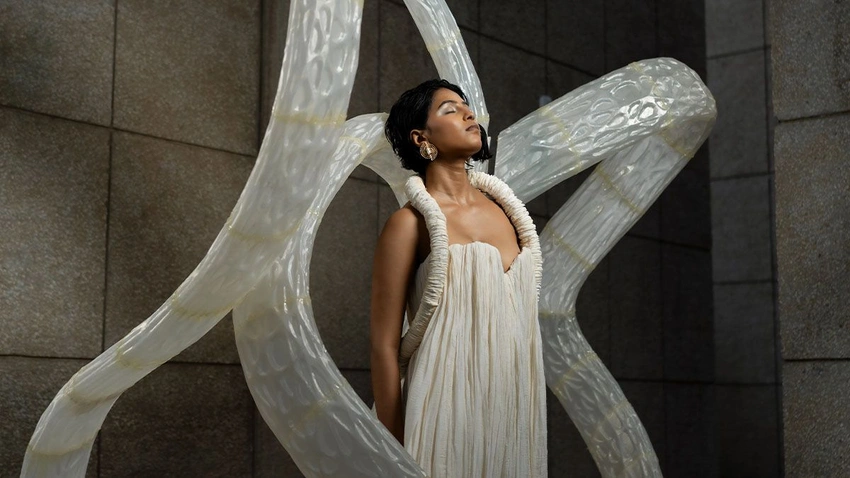
Developed over the past year, Wardrobe Edition features 10 complete looks, each crafted by a different emerging designer. What's truly exciting is the program's commitment to supporting these talents—designers were paid for their participation and received invaluable marketing and business guidance throughout.
We're seeing groundbreaking applications already. Palestine's Ayham Hassan, for instance, reimagined traditional crafts using Lunaform by Gozen and plant-based iridescent pigments from Sparxell. Tbilisi-based footwear brand Invasive Modification ventured into apparel, creating a stunning fur-effect fabric from wool by Lanificio Becagli.
India's Srushti Patil also joined the fray, experimenting with Spi', pushing boundaries with her innovative approach.
The Future of Fashion, Woven with Purpose
This isn't just about new materials; it's about a complete mindset shift. Kering is not only demonstrating the creative possibilities but also actively fostering the next generation of designers who prioritize sustainability without compromising on luxury.
By directly engaging designers and providing them with resources and exposure, initiatives like Wardrobe Edition are crucial.
They're proving that sustainable doesn't mean sacrificing aesthetic or quality. Instead, it opens up a whole new world of design possibilities, redefining what luxury means for the 21st century.
Could this model finally be the catalyst for established houses to truly integrate these innovations into their core collections? The stage is set for a more conscious, creative future in fashion.

Login to comment.
No thots yet. Be the first to share your thoughts!