How VinFast VF3 Could Win India’s EV Market, But Probably Won’t

How VinFast VF3 Could Win India’s EV Market, But Probably Won’t
Tiny VinFast VF3 offers big looks and low price for India’s youth, but range anxiety, poor network and brand trust could throttle its EV dream.
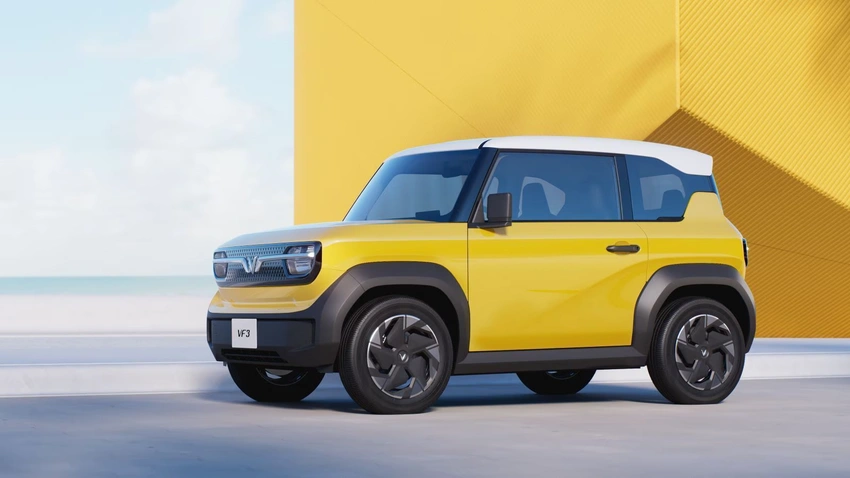
The VinFast VF3 is a 2-door, four-seater micro-EV that looks like it came straight out of a Bollywood sci-fi film. In theory, it’s cute and compact. A street-smart Vietnamese car aiming for Indian hearts is a funny idea. But bhai, there’s always a twist in the tale. Let’s see why this price-busting, style-centric VF3 should be a hit in India… and why, sadly, it probably won’t.
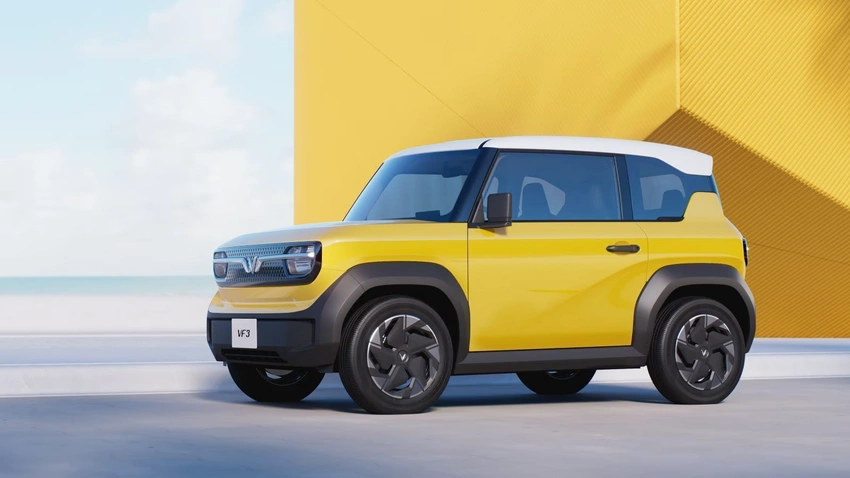
The VF3 may impress with its funky boxy design and 10″ touchscreen, but India’s roads and wallet will judge it harshly. It’s small (just 3.1 m long) and just two doors, yet claims ~215km range (210km NEDC). All for about ₹10 lakh ex-showroom undercutting many rivals. In fact, Autocar India notes the VF3 is “slightly larger” than MG’s tiny Comet EV, and experts pegs its price around ₹10–11 lakh.
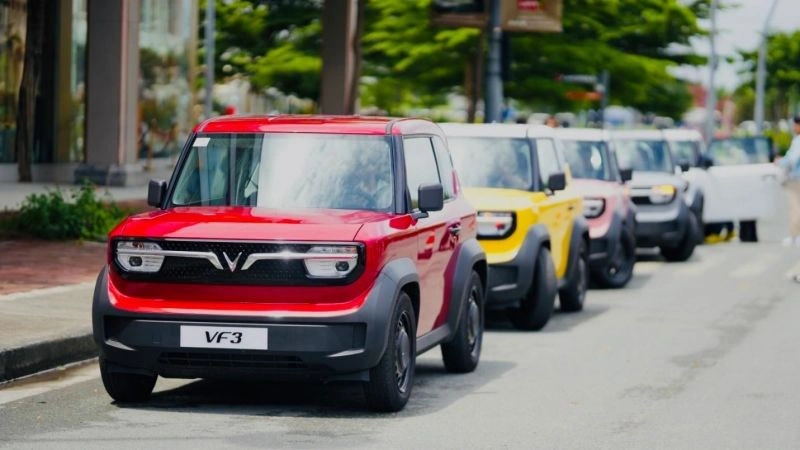
India’s youth might say, “Accha hai!” to the VF3’s chhota mota (small) charm and jhakaas looks. Think of it as a snooty Scooter undercarriage with a “howdy” digital dash, Android Auto, and even Apple CarPlay. It’s certainly flashier than the average autorickshaw. But let’s compare it to the homegrown competition:
VinFast VF3 is a 2‑door mini-SUV, 43.5PS rear motor, 210–215km claimed range. Price ~₹10.5L (with battery) or ₹7.9L without battery. Has a 10″ touchscreen and digital dash.
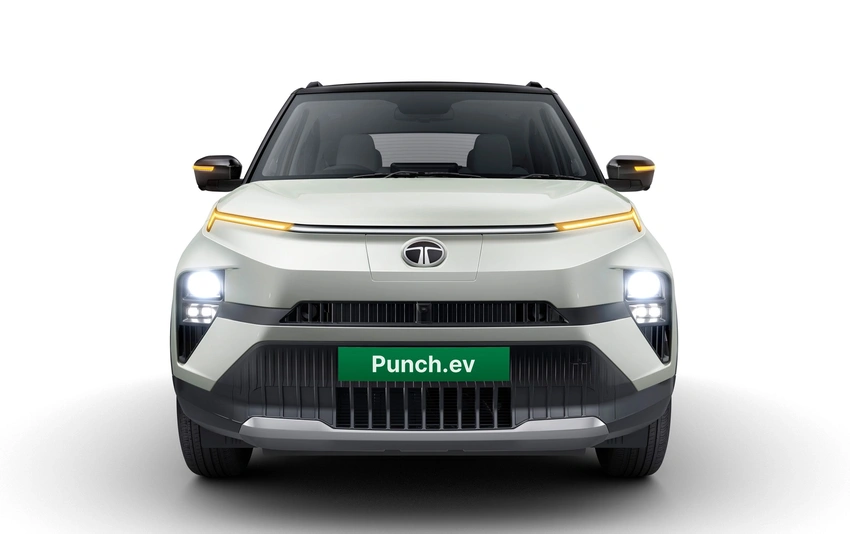
Tata Punch EV a 4‑door compact SUV, 121PS motor, two battery packs (25kWh for ~315km, 35kWh for ~421km). Price ₹9.99–14.44L. Features a 10.25″ infotainment + 10.25″ digital cluster, ventilated seats, sunroof, etc.
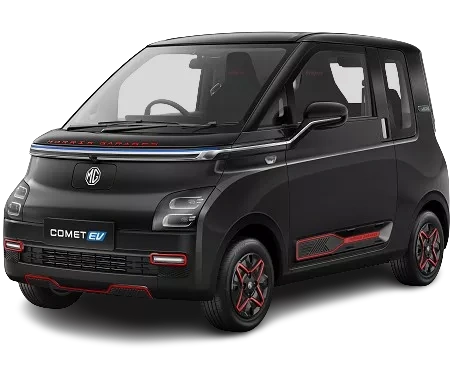
MG Comet EV a 3‑door mini-hatch (4 seats), 41PS, 17.3kWh battery, ~230km range. Launched at just ₹7.98L (ex-showroom) with battery; or ~₹5L on road plus battery rent. Very basic (no clusters or AC in base), but dirt cheap and aimed at first-time buyers.
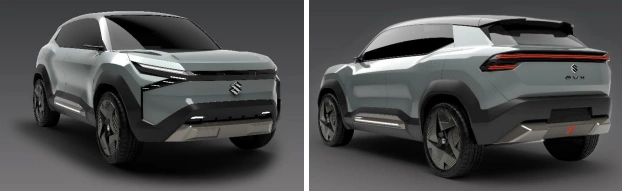
Maruti Suzuki eVX (rumored) - A proposed small EV (rumored like the Alto EV). Details unclear, likely 2025+ launch, probably ~₹15–20L. (No confirmed specs yet.)
In short, the VF3 fights massive competition. Tata’s Punch EV already has showroom-ready range and features, and MG’s Comet is cheaper than your weekend pizza party. Yet VF3 hopes to win some fans among style-conscious youngsters.
Charging Woes and Range Anxiety
India’s EV infrastructure is still in pitaal (chaos). More than half of potential EV buyers sweat over “range anxiety” – a whopping 58% say they’d worry about running out of juice. In cities, 70% of chargers cluster in metro hubs, and many are broken or offline (≈25% downtime). Rural areas have zero fast chargers. A VF3 buyer might be more worried about tota overcharging, kripya add coin? without any charger.
Government schemes are trying and NHAI wants a charger every 25 to 60km on highways but on-the-ground reality lags. As Business Standard notes, “90% of Indian EV users rely on home charging”. That means our savvy VF3 owner might have to “jugaad” (a patch-up) long cords or pray for a trolley wala with an inverter. Even fast-charging from 10–70% takes ~36min (VF3’s spec), versus global EVs doing 0–80% in 15–20min. Domestically, 0–80% often still takes 1 to 2 hours.
Government incentives exist, but they mostly helped big projects. Ironically, VinFast’s new TN plant won’t get PLI benefits because of rule quirks. And with FAME-II topping out, consumers mostly face full prices (plus occasional state subsidies for 2/3-wheelers). So the VF3 isn’t getting a free lunch; its ₹10L tag may sneak up by 2026 with inflation and fewer incentives.
Why VF3 Should Win India
At ₹10L, it could undercut many compact EVs. For reference, Maruti’s planned EVs (like the Alto EV) might start higher. A cheap mini-SUV would be manna for middle-class budgets. Indians love a deal “accha mile toh doosra liyo” (if it’s good and cheap, we’ll go for seconds). The VF3’s low cost (battery included!) might give it an edge if launched before any tariff shocks.
It’s itsy-bitsy, perfect for Indian traffic, Bas zaayada bada nahi hona chahiye. Think of it like a smoking-hot teen in car form – everyone will look. Autocar India describes the VF3 as a “mini-SUV” with a boxy design. Compared to a fat-gath (fat cat) sedan, this is a nimble sparrow. Youthful, quirky looks (rose pink or mint green paint, why not?) could draw Instagram likes.
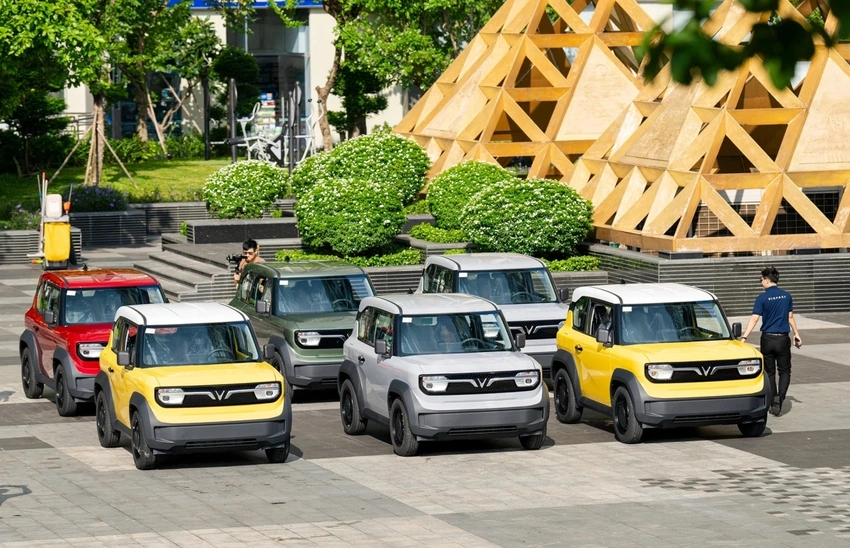
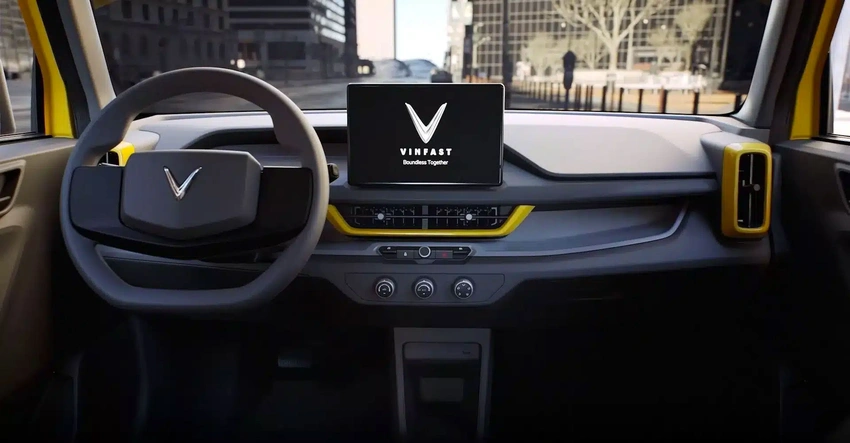
With a 10″ infotainment and digital cluster, it’s tech-rich for its class. For city commutes, that 43.5PS motor zips 0–50km/h in ~5s – faster than your auto-rickshaw! (On paper it claims 0–100 in ~15s). Also, being RWD gives it go-kart vibes for cornering. No AC vents in the rear? Car hai boss, not ek hotel. Still, essentials like ABS+airbags ensure basic safety.
VinFast is building a ₹2,000+ crore EV plant in Tamil Nadu, aiming 150,000 cars/year. That’s huge! If production shifts local by 2026, import costs vanish. Also, VinFast lured state govts (TN, AP, Telangana), maybe cheaper land, local jobs, yadda-yadda. If scaled, they plan to export to West Asia/Africa. For India, “Made in India for global” sticker might sweeten the deal.

“If masaledaar value chaiye with style, VF3 hai” – so say some fans. Its combination of street-cool factor and affordability ticks many boxes. Kya bigaad de yeh plan!
Why VF3 Probably Won’t Win
The biggest problem? Who is VinFast, yaar? It’s not like Tata or Maruti, whom Indians trust to bail them out of trouble. VinFast is Vietnamese, like our golgappa sellers but with wheels. Even VinFast’s US launch was rocky, the VF8 got recalled by NHTSA for software glitches. American media worry “first impressions are everything”.
In India brand unfamiliarity is poison, and the auto cartel will leave no stone unturned to bad mouth. Dealers feel the same: most of VinFast’s 40 planned dealers have already quit, complaining about unclear pricing strategy. “Humko dishoobaadi karne do, saalon logon ne samjha kya hai?” one dealer shrugged.
Since the auto expo, VinFast hasn’t done much on brand activation. Most are unaware of the brand in India. If the mom-and-pop mechanic hasn’t heard of it, how will grandpa? Yaar, aapne ghar mein Vikas wala park mein bike hi chala rahe hain. Itna pata kaise chalega?
Service network - Relatedly, VinFast is essentially starting from scratch. There are only 8–10 live dealers now. Imagine if your Nano broke down in Meerut: you’d push it to Delhi. The VF3 isn’t supported by oil co. dealers (like Tata Harrier EV via CNG pumps) or by big brother Tata or Mahindra networks. No roadside jhakaas, no CNG pumps. That means if something goes chutney ki tarah gadbad (really wrong), you’re left high and dry. Rural buyers simply won’t risk this, their consumer psyche is, brokered by Maruti & Mahindra! They need proven reliability.
Range anxiety - 210km NEDC (160km in real world) is meh by Indian standards. Punch EV’s 35kWh can give ~400km+ on highways. The VF3’s small battery means multiple latte breaks on a roadtrip. And unlike petrol cars with “buland engine”, every EV ride ends in serious calculation: “Bro, charging station pe kitne microsecond rukna hai?”. What if your relatives keep pressing “Electricity Bill Zero” sign? Indians love big driving ranges; anything less gives “oye hoye tension”.
Who buys a two-door car in India? Tum apehle itni chize samjha do, do doors ya do life?”, well Thar had it, but that's in a different league. Grandparents, aunts, kids – nobody trusts it.
Practical families need four doors for quick grocery drops and baby seats. “Two doors? Indians will treat it like an exclusive Hollywood party – not everyone’s invited!” Even if they fit 4 passengers, manhandling elders in and out of the rear is a pain.
By 2026, VF3 might be “old news”. Tata or Mahindra could launch a rival by then. Tata’s already teased an Alto-like EV, and Maruti is cooking EV suvs. Meanwhile, Punch EV and Comet EV are already solving buyers’ needs. If VF3 launches too late or too slowly, it’ll feel outdated. Also, initial ₹10L could creep up with inflation; Indian buyers will compare to local bargains. And MG’s Yep (Baojun-based mini SUV) is coming – as Autocar notes, that could be a direct rival.
A recent Deloitte-Mint survey found only 8% of Indian consumers now prefer EVs; most (54%) still want petrol cars. People worry about price, range and infrastructure. Until families see tons of charging points or get a fat subsidy, they’ll stick to tried-and-true. “EV achha hai par.. kya guarantee?” is a common thought.
Unlike Tata or Mahindra, VinFast has no Maruti-equivalent ad reach. No Bollywood tie-ins or cricketer pitch. Just a few Facebook teasers (“#PDArmy, yay or nay?”) and silent trade expos. It’s as if an obscure aunt quietly baked samosas and expects everyone to eat them. Dealers say “Sab clear strategy chahiye”, but VinFast seems confused on where, how many touchpoints. Meanwhile, incentives often favor home-grown factories – somewhat ironic here. As Business Standard reported, VinFast’s Tamil Nadu investment didn’t qualify for India’s EV incentive scheme due to timing rules. That’s a dampener.
In the end, the VF3 is like a spicy momo in a sad stall – exciting at first glance, but will the customer trust it enough to bite? You can’t fake yer jugaad on family reliability concerns or charging range. Even PowerDrift’s fans are split – one commented “WAY better than MG? Really?” (sarcasm mode on). Indian car forums are full of “Yay or nay?” threads with equal parts “accha hai” and “bhai koi planning hai kya?”.
In urban India, fast chargers are rare and often occupied by luxury EVs or idle. If the VF3 rolls out, we’d see scenes like this: queue for one socket, bikes honking in line. Range anxiety would be worse than math exam jitters.
Even when charging stations exist, they’re chaotic. Old ICE vans block slots; squatters leave the plug in; locals tap in for power cuts. VF3 buyers must be prepared to wait longer than Maggi noodles.
Inside, the VF3 cabin looks modern. But close-ups reveal a dated rotary knob shifter and manual AC (ugh, just like 1990!). If Indian influencers test-drive it, expect comments like 10 inch screen hai, theek hai, par yeh gear knob? Gogga lagta hai!
Conclusion
The VinFast VF3 is exactly the kind of quirky, budget EV that could tick a lot of boxes on paper. It’s cheap, compact and dil mein lagne wala (heart-throb) for youngsters. The specs (200+km range, 10″ infotainment) look decent for ₹10L. In a perfect world of perfect chai shops and perfect chargers, it might have become a hit.
But India is no perfect world. It’s more “desi jugaad plus brand trust issues” than Silicon Valley. Without dealer support or an established reputation, VF3’s appeal might evaporate faster than roadside nimbu-pani on a summer day. Buyers will likely stick to known makes like Tata, MG, Mahindra or Maruti, unless VinFast throws a Bollywood superstar on board.
If VF3 fails, it still shakes up the scene: maybe Tata will drop Punch EV’s price, or MG will improve Comet. India’s EV race will slowly accelerate, but don’t hold your dhanis for the VF3. As one editor mused, VinFast’s “little SUV might just remain a niche joke” or “accha tha lekin nahin chala”. In the end, the VF3 saga could teach VinFast and India alike: innovation needs more than cool looks; it needs trust, infrastructure and a pinch of luck.
