🚨 Strait of Hormuz Shut! Iran Blames US-Israel, Global Oil Prices on Edge

🚨 Strait of Hormuz Shut! Iran Blames US-Israel, Global Oil Prices on Edge
Iran has again closed the strategic Strait of Hormuz, citing US-Israel ceasefire violations. This move could spark a global oil price surge and destabilize fragile peace talks. Stay informed on this developing crisis.
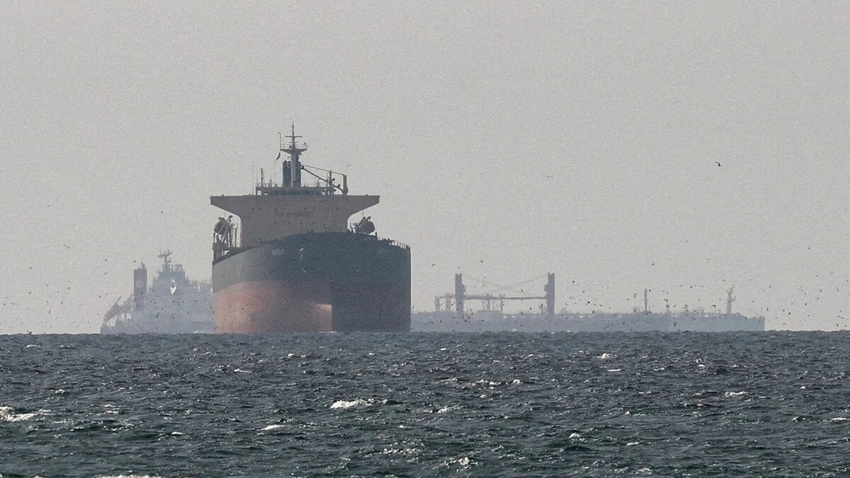
The strategically vital Strait of Hormuz has reportedly been closed by Iran, a move that immediately sent ripples through global markets and geopolitical circles. Tehran announced the decision, citing alleged violations of a recently negotiated ceasefire memorandum of understanding (MoU) by the United States and Israel. Iran's top military command, the Khatam al-Anbiya Central Headquarters, stated that Washington committed a "clear breach of trust" and Israel continued military actions in southern Lebanon despite ceasefire commitments. Tehran warned this closure could be just the "first step" if these actions persist.
This dramatic development directly jeopardizes a delicate US-Iran peace arrangement established earlier this month. That agreement aimed to extend a ceasefire for 60 days, facilitate the reopening of the critical waterway, and pave the way for broader discussions on Iran's nuclear program and sanctions relief. The closure of the Strait, a crucial choke point for global oil and liquefied natural gas exports, raises immediate concerns about potential volatility in crude oil prices and disruptions to international supply chains.
However, the United States has moved to downplay the severity of the situation. US Vice President JD Vance stated there was "no evidence that oil shipments had fully stopped," affirming that maritime traffic continues to flow and diplomatic channels remain active. Discussions involving US and Iranian representatives are reportedly ongoing in Switzerland, indicating a continued effort to de-escalate tensions and find a resolution.
The current escalation follows a recent flare-up in Lebanon involving Israel and Hezbollah, which had initially threatened to derail the broader US-Iran understanding. While that specific ceasefire was later restored, the incident underscored the region's inherently fragile security landscape. Shipping companies and energy traders are now closely monitoring whether the Strait's closure will lead to prolonged disruptions or primarily serve as a strategic bargaining chip in the ongoing, complex negotiations between the involved parties.
