When 'Authentic' Becomes the Ultimate Performance Art
Is genuine self-expression still possible when authenticity is just another carefully crafted personal brand? We explore the paradox of 'being real' in our hyper-connected world.
The Paradox of 'Being Real': Why Authenticity is Now a Performance
We're told constantly to 'be authentic,' to 'show our true selves' online. But what happens when this very call for authenticity becomes the newest, most demanding performance of all? The quest for genuine self-expression, once an intimate journey, has transformed into a public spectacle, often meticulously curated for likes, shares, and engagement.
It's a paradox many of us navigate daily, blurring the lines between who we are and who we present ourselves to be.
The Authenticity Arms Race
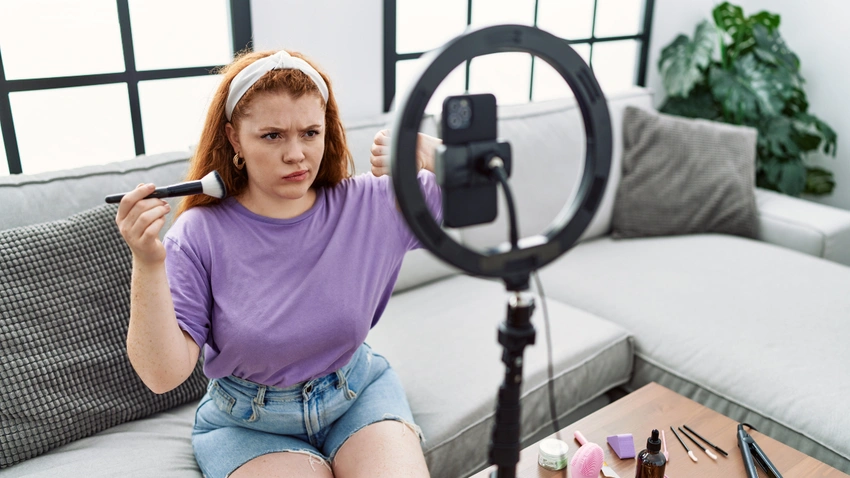
In an age of endless content, standing out requires more than just polish- it demands 'relatability.' Social media platforms, initially heralded as spaces for connection, have inadvertently fostered an authenticity arms race. Everyone is striving to appear imperfectly perfect, sharing vulnerabilities not out of raw emotion, but often with an eye towards relatability metrics. It's about strategic self-disclosure designed to build a personal brand.
It's less about being authentic and more about performing authenticity, complete with its own set of scripts and stage directions.
Curated 'Realness' and Its Toll
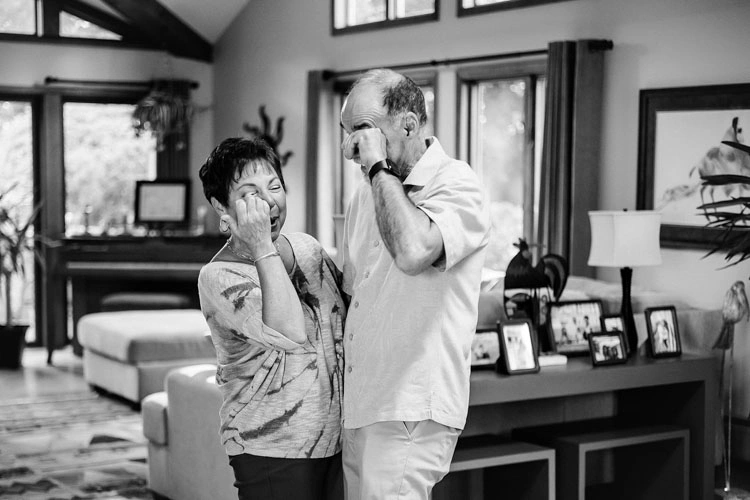
The tools are readily available: filters that mimic natural light, captions that express 'unfiltered' thoughts, and content calendars that plan spontaneous moments. We see influencers sharing their 'messy' rooms or their 'bad hair days,' not as a genuine slip, but as a calculated move to appear accessible. This curated 'realness' can be exhausting.
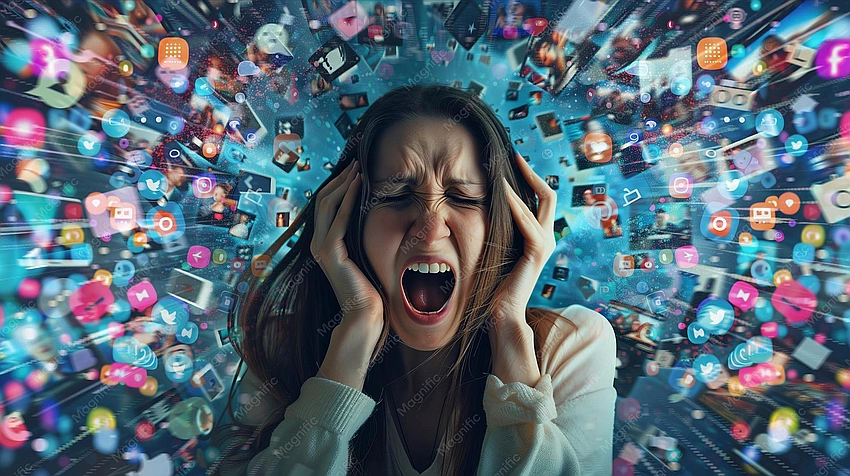
It demands constant vigilance, an internal editor always on duty, ensuring every 'authentic' post aligns with the desired narrative. For many, this leads to an anxiety-inducing cycle, where the pressure to be perceived as real overshadows the actual experience of being oneself.
"The irony is that the more we try to perform authenticity, the further we drift from a genuine self." - a thought on modern self-presentation.
This constant performance erodes the very foundations of genuine self-expression. When every emotion or experience is potentially content, does anything remain truly private, truly ours alone? The lines between our public persona and our private self blur, leaving us questioning who we are when the cameras- digital or otherwise- are off.
Can We Still Be Truly Ourselves Online?
The answer might lie in redefining what 'authenticity' means to us individually, away from the digital spotlight. It's about understanding that genuine self-expression might not always translate into marketable content. Perhaps it's found in smaller, private circles, in conversations not designed for virality, or in moments deliberately kept offline.
Reclaiming genuine self-expression means recognizing that not everything needs to be shared, analyzed, or validated by a public audience.
It requires us to consciously step back from the performance, to embrace imperfection without turning it into a trend, and to find fulfillment in connections that aren’t predicated on manufactured relatability. True authenticity might just be the quiet act of being, without the need for an audience or applause.
