Frankenstein: Why It's NOT a Monster Story (It's WAY Darker)
Forget pitchforks and torches. Mary Shelley's Frankenstein isn't about a monster-hunt, it's a chilling tale of profound isolation, rejection, and what happens when you're truly alone. Get ready for a re-read!
Okay, settle down, monster movie buffs. Let's get one thing straight about Mary Shelley's Frankenstein : it is not a monster horror story. Not in the way your TikTok feeds or classic Universal films have programmed you to think, anyway.
This isn't about jump scares or pitchfork-wielding villagers, it's about something far more unsettling, the bone-deep, soul-crushing agony of isolation.
The Original Social Outcast Story
Forget the green skin and neck bolts for a second.
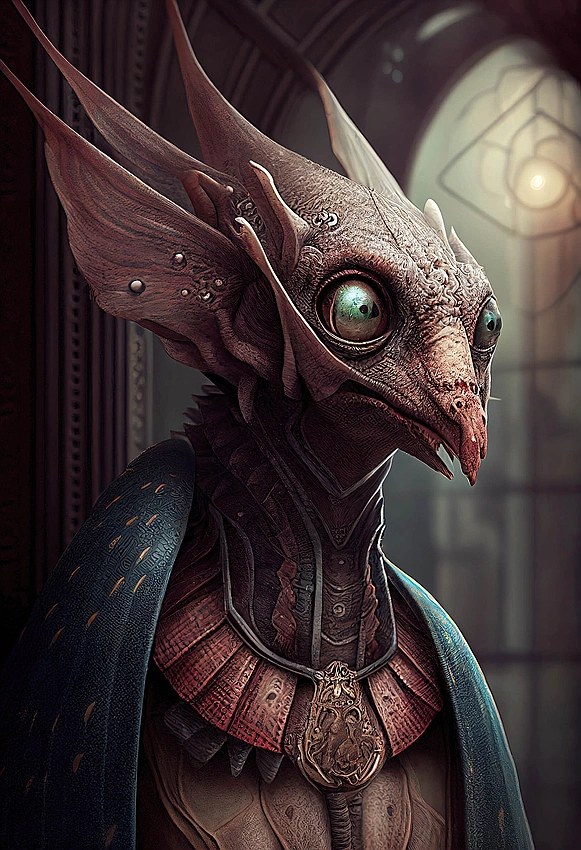
The Creature, in Shelley's original text, is articulate, intelligent, and desperately craves connection.
He's not born evil, he's made evil by constant rejection.
Imagine being brought into existence by someone who immediately recoils in horror, abandoning you to navigate a hostile world alone. It's the ultimate 'ghosted' scenario, but with existential dread and a body made of… well, you know.
Victor's Self-Imposed Prison
But the isolation isn't just the Creature's burden. Dr. Victor Frankenstein, the ultimate mad scientist, seals his own fate in a gilded cage of ambition and secrecy. He pulls away from family, friends, and society to pursue his unholy creation.
When he succeeds, the guilt, fear, and shame drive him further inward, leaving him a neurotic, solitary wreck.
He's surrounded by people, yet completely alone with his monstrous secret.
This isn't just a 19th-century problem. How many of us, chasing some grand achievement or hiding some perceived flaw, push people away? We build our own digital walls, meticulously curating our lives while feeling profoundly disconnected.
Shelley saw this pattern coming centuries ago.
The Echo Chamber of Despair
Consider this iconic line from the Creature, a plea that echoes through the ages:
I am malicious because I am miserable. Am I not shunned and hated by all mankind?
That's not a monster roaring, that's a soul crying out for belonging. His misery isn't inherent, it's a direct consequence of being cast out, repeatedly.
The Creature seeks companionship, understanding, and even love. When denied, his path spirals into vengeance, a tragically human response to profound emotional deprivation. It forces us to ask: who's the real monster?
The being who reacts violently after endless torment, or the creator and society who inflicted that torment?
Are We Still Creating Monsters of Isolation?
Today, with our hyper-connected yet often superficial lives, is the isolation Shelley wrote about more prevalent than ever? We're all scrolling, liking, sharing, yet the rise in loneliness and mental health crises tells a different story. We curate perfect online personas, often mirroring Victor's need to hide his 'ugly' truth, while simultaneously creating virtual 'Creatures' through our judgmental clicks and dismissive swipes.
So, next time you think of Frankenstein , don't picture a cheap Halloween costume.
Think about the profound human need for connection, the devastating impact of rejection, and the dark spirals that can consume us when we're truly, utterly alone. It's a story not about what lives in the lab, but what festers in the heart when it's left abandoned.
