Sima's Struggle: Life in Kabul 5 Years After Taliban Seized Power

Sima's Struggle: Life in Kabul 5 Years After Taliban Seized Power
Five years after the Taliban's return, witness Sima's harrowing daily life in Kabul. Discover how one woman fights poverty, hunger, and strict rules to keep her family alive amidst an increasingly restricted world.
Five years have passed since the Taliban's return to power in Afghanistan in August 2021, and for many like Sima, life in Kabul remains a relentless battle for survival. Sima, who believes she is about 60 years old, embarks on a daily quest in the hills above Kabul, sifting through cemeteries for discarded plastics, scrap, and anything else that might hold value.
What can be sold is collected; what cannot, like certain materials, is brought home to serve as fuel for cooking or to ward off the brutal winter cold.
Work is incredibly scarce in the capital, forcing Sima to support her extended family through meager means. Their survival largely hinges on begging, collecting waste, and gathering bread.
An astonishing resourcefulness dictates their lives: bread received from bakeries can be resold cheaply, dry bread found on the ground is sold to livestock owners, damaged tomatoes are dried for later consumption, and watermelon rinds are transformed into "torshi," a homemade pickle. Even meat received during Eid al-Adha is meticulously dried and stored for the colder months.
Nothing goes to waste in their household.
However, these desperate measures come with significant risks. The Taliban has outlawed begging and waste collection, and those caught can face detention. For women like Sima, navigating an increasingly restricted public life while battling severe poverty is a constant challenge.
Sometimes, Sima waits until nightfall to beg, hoping to avoid detection on Kabul's streets.
A few months ago, tragedy struck when Sima's daughter, Diba, was detained for three months while begging. At the time, Diba had a breastfeeding baby. During her absence, the family struggled immensely to provide adequate milk and suitable food for the infant.
Heartbreakingly, just two days after Diba's release, her baby passed away.
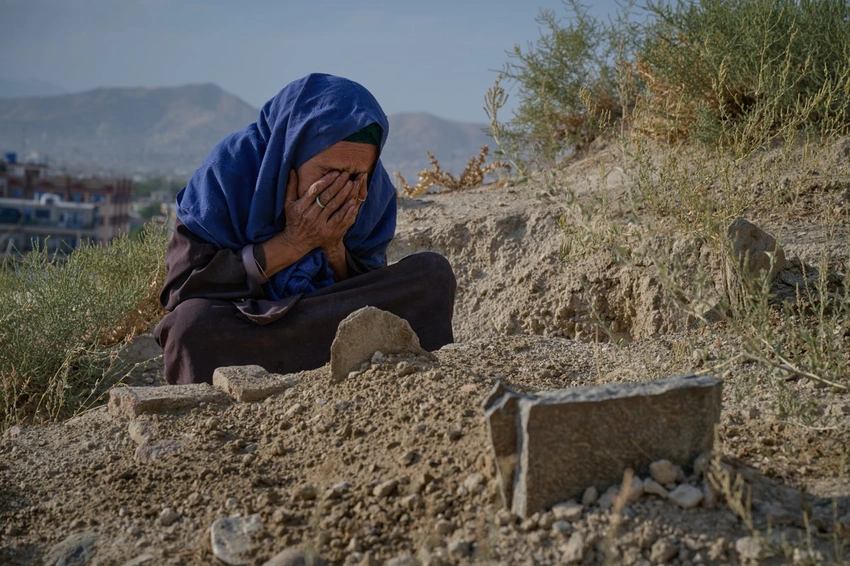
Sima now frequently visits the child's grave, a poignant reminder of their hardships. This cemetery, where she mourns, is also one of the very places she continues to search for discarded materials, hoping to find something that might help her family endure.
Back home, nearly every item gathered from outside finds a new purpose. Food is preserved, salvaged materials await sale, or are designated for fuel. Sima meticulously sorts through her collection, her family remaining close by, a testament to their unwavering, albeit heartbreaking, resilience in the face of insurmountable odds.
