Melbourne Faces Harsh Heat as Policy Promises Collide with Reality

Melbourne Faces Harsh Heat as Policy Promises Collide with Reality
Melbourne endures a blistering heatwave as warnings rise and critics say climate policy hasn’t kept pace with the blazing summers ahead.
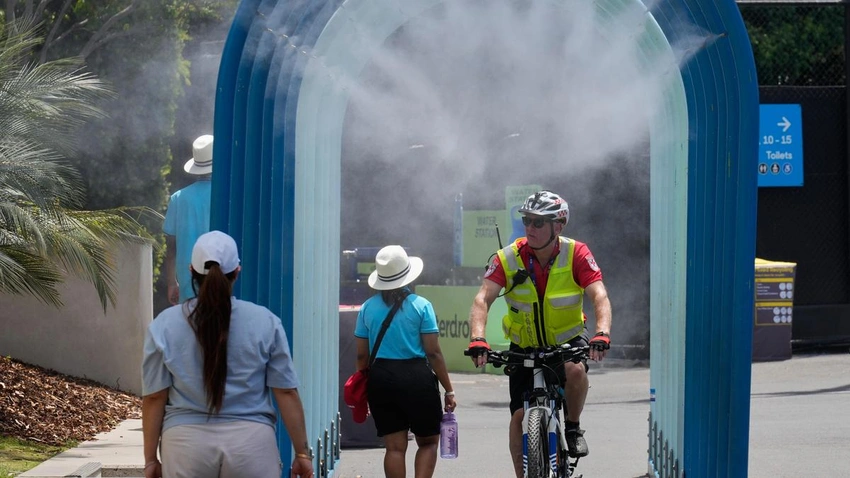
Melbourne woke to another blistering day as a record-setting heatwave tightened its grip on the region. Forecasters warned temperatures could spike higher than anything residents have grown used to, turning public spaces into ovens and prompting renewed health alerts. Across Victoria, firefighters and communities faced very dry conditions that raise the risk of bushfires near towns and along vulnerable road corridors like the Great Ocean Road. The heat is already reshaping daily life, with cooling centers and extra medical staff on standby as hospitals prepare for heightened demand.
The weather has sharpened political debate about Australia’s fossil fuel policies. Critics say the country’s climate rhetoric does not match the reality of hotter summers, urging policymakers to align energy choices with extreme-weather risks by ending subsidies for fossil fuels, accelerating clean energy deployment, and investing in urban cooling and drought resilience. The disconnect between ambition and action is fueling calls for rapid, tangible climate action rather than delay.
Even as major events grapple with the heat, the Australian Open has triggered its maximum heat warning level, underscoring how high temperatures affect athletes, fans, and stadium operations. With forecasts hinting at 45°C-like conditions during peak days, organizers are forced to balance safety protocols with the spectacle, a microcosm of how climate stressors permeate everyday life.
Experts warn that this could become the new normal unless policy shifts occur. They urge a accelerated transition away from fossil fuels, stronger urban cooling strategies, and enhanced emergency planning for heat and fire seasons. Authorities emphasize preparation now: more shade, additional water stations, and resilient infrastructure that can withstand prolonged heat waves and drier conditions.
