Kahramanmaras mourns after Turkey's first deadly mass school shooting

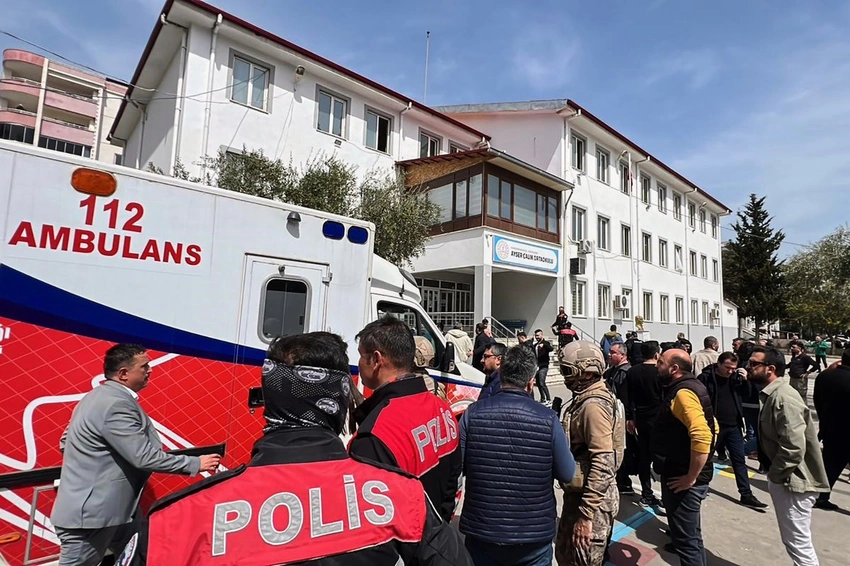
Kahramanmaras mourns after Turkey's first deadly mass school shooting
In Kahramanmaras, a 14-year-old shooter kills eight students and a teacher, sparking national grief and urgent calls for safer schools.
Kahramanmaras, Turkey — A city famous for its ice cream is now defined by grief after a day of violence inside a school. A 14-year-old student attacked Ayser Calik Secondary School on Wednesday, killing eight students and a teacher before dying at the scene. The loss has left families and neighbors reeling and focusing on the safety of schools that should be sanctuaries for young people.
Investigators say the weapon used belonged to the attacker’s father, a former police officer, and that a separate incident the previous day near another school in the same region left 16 students wounded and a pupil who killed himself. The sequence has raised alarms about access to firearms and the vulnerability of campuses in economically challenged areas.
Across the city, coffins draped in Turkish flags were carried to the mosque and to funeral parlors as relatives mourned. Parents described a sense of disbelief, and a mother mourned her 10-year-old daughter, a victim who had bright plans for the future. Neighbors shouted for accountability and stronger security at schools, where cameras, guards, and drills are part of daily life for some and missing from others.
Experts say the latest attack reflects deeper social and economic strains, but most agree that preventing such violence requires more than individual measures. Communities are calling for enhanced school security, better access to mental health support for students and families, and sustained investment in social programs that can help address stress and isolation before it erupts into tragedy.
Turkish authorities have urged calm while investigations continue. The tragedy comes amid other security and economic challenges facing the country, and it leaves a community to find resilience, remember the victims, and push for policies that might shield future generations from similar harm.
