ISRO Tightens Exit Rules Amid Scientist Exodus Fears: What's Next for Gaganyaan?

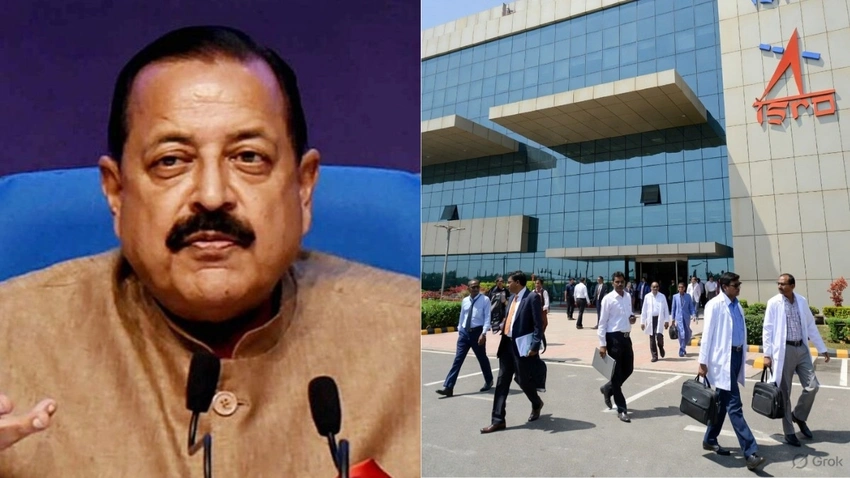
ISRO Tightens Exit Rules Amid Scientist Exodus Fears: What's Next for Gaganyaan?
ISRO is cracking down on resignations after over 100 scientists reportedly left. New government rules aim to retain talent for critical missions like Gaganyaan. What does this mean for India's space ambitions?
The Indian Space Research Organisation (ISRO) and the Department of Space have significantly tightened rules regarding the resignation and voluntary retirement of scientific and technical personnel. This comes amidst reports of a substantial number of scientists and engineers leaving the prestigious space agency, raising concerns about talent retention and the continuity of critical national projects.
The new directive instructs ISRO centres not to "routinely accept" resignation or voluntary retirement requests, especially from Group 'A' scientific and technical staff. This measure is specifically aimed at safeguarding key missions like the upcoming Gaganyaan, India's first crewed spaceflight, and other important ongoing projects. Any such requests, even from junior scientists, must now be forwarded to the Department of Space with a director's "clear recommendations" for a final decision.
Reports indicate that over 100 scientists and engineers have submitted resignation requests across various ISRO centres recently. The U R Rao Satellite Centre (URSC) in Bengaluru, Karnataka, reportedly saw more than 80 departures, while approximately 20 engineers left the Vikram Sarabhai Space Centre (VSSC) in Thiruvananthapuram, Kerala.
Despite these figures, ISRO Chairman V Narayana acknowledged the departures but maintained a composed stance, stating, "Yes, a lot of people go, but that's part of every organisation." He clarified that the memorandum isn't solely about retention but also to ensure vital projects don't suffer sudden disruptions. He added that if someone leaves, another would take responsibility, indicating the agency's preparedness. Union Minister Jitendra Singh also weighed in, dismissing reports of a widespread "exodus" as administrative and routine, even as the Department of Space tightened its approval processes.
The move underscores the government's commitment to protecting its strategic space programs and ensuring that India's ambitious targets in space exploration, including the Gaganyaan mission slated for early 2027, remain on track. The enhanced scrutiny over resignations highlights the critical role these scientists play in advancing India's position in the global space arena.
