The Legacy of The Miseducation of Lauryn Hill

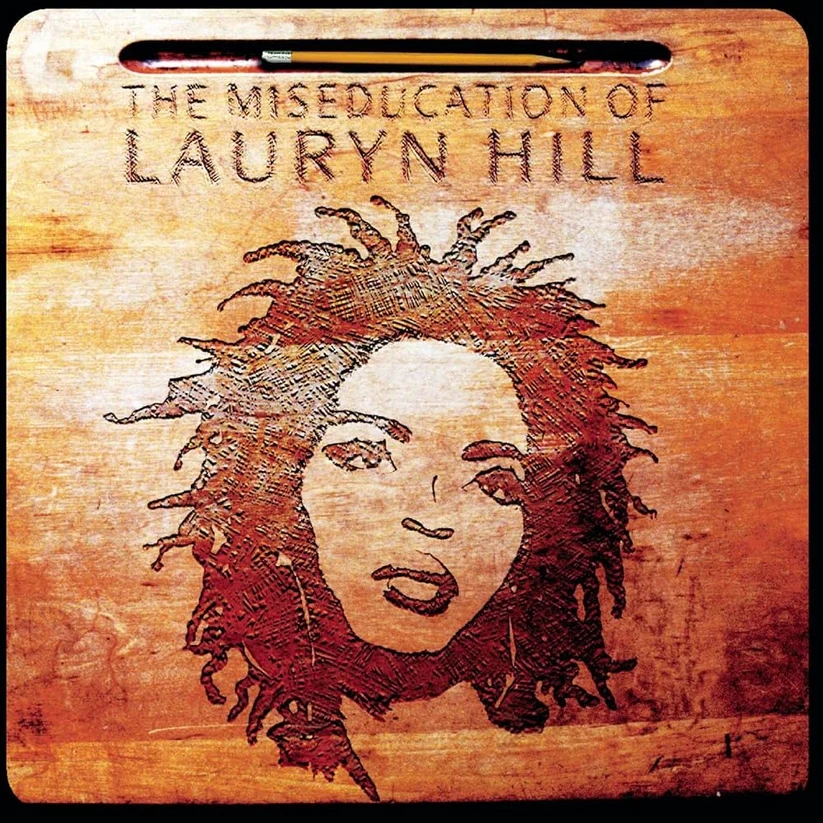
The Legacy of The Miseducation of Lauryn Hill
The Legacy of The Miseducation of Lauryn Hill
This 1998 masterpiece shattered genre lines—hip hop, neo-soul, reggae, gospel—while redefining vulnerability and Black womanhood in pop. A timeless, influential listen.
There are albums that define a year, and then there are albums that quietly reshape the possibilities of an entire medium. The Miseducation of Lauryn Hill, released in 1998, belongs firmly to the latter category. Nearly three decades later, it remains one of those rare records that feels both deeply personal and historically significant. It is an album that blurred the boundaries between hip hop, neo soul, reggae, gospel and R&B without ever sounding like a calculated experiment.
Its influence is obvious in contemporary music, but its real legacy lies elsewhere. It changed the way vulnerability, Black womanhood and artistic authorship could exist within popular music.
More than a debut
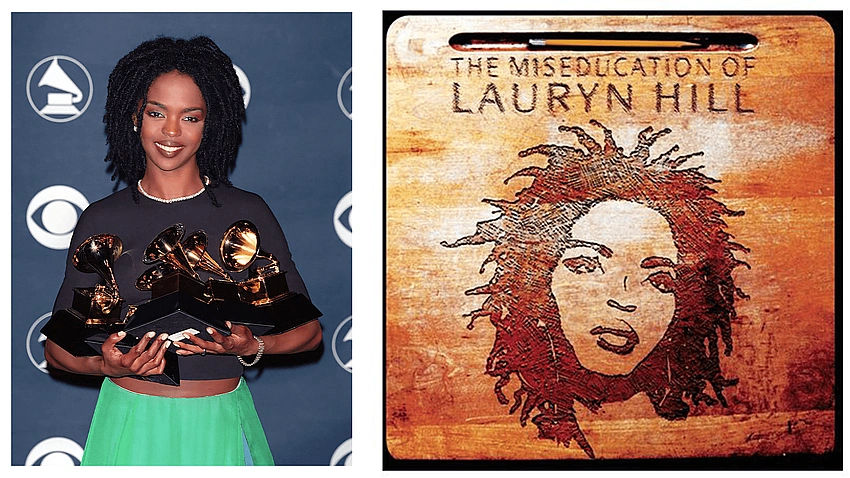
Calling The Miseducation of Lauryn Hill a debut almost feels misleading. Hill had already become internationally recognised through the Fugees, but her first solo album abandoned the collective voice of a group in favour of something far more intimate. The record moves between heartbreak, motherhood, spirituality, political consciousness and self reflection without treating any of these experiences as separate categories.
The classroom conversations woven throughout the album reinforce this idea. They frame education not as institutional learning but as emotional and moral growth. The title itself deliberately recalls Carter G. Woodson's 1933 book The Mis-Education of the Negro, inviting listeners to think about knowledge, identity and liberation beyond conventional schooling. While Hill never reduces the album to a direct adaptation of Woodson's ideas, the connection encourages a broader conversation about cultural memory and self definition.
A new language for popular music
What continues to astonish me is how naturally the album refuses genre boundaries. Tracks such as "Lost Ones" showcase Hill's technical skill as an MC, while songs like "Nothing Even Matters" and "To Zion" embrace soul and gospel traditions with remarkable sincerity. Rather than moving between different musical styles, the album allows them to coexist.
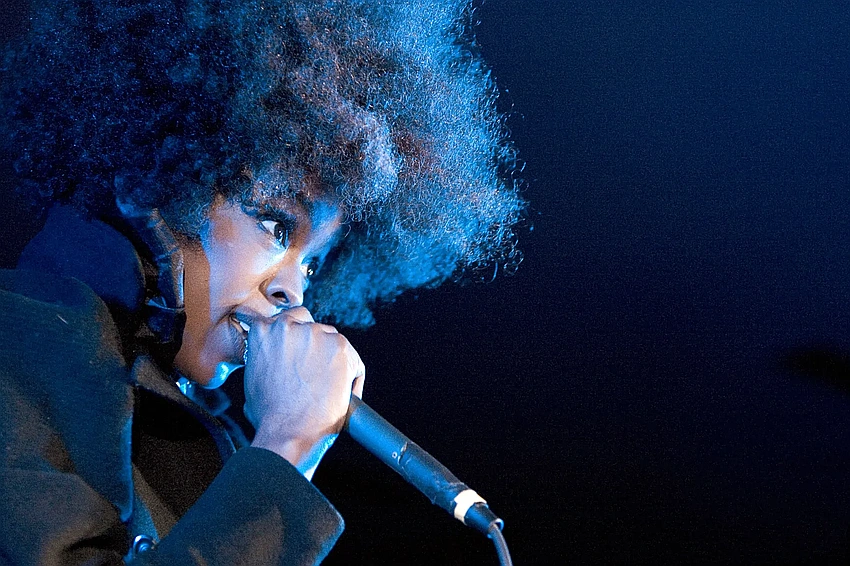
Today, this kind of fluidity feels almost expected. Artists comfortably move between rap, singing and spoken word without needing to justify the transition. In 1998, however, Hill demonstrated that these forms could inhabit the same artistic space without compromising authenticity. In many ways, the contemporary landscape of genre fluidity owes something to the confidence with which The Miseducation of Lauryn Hill ignored musical labels.
Black womanhood at the centre
Perhaps the album's greatest achievement is the complexity with which it represents Black womanhood. Popular music has often demanded simplified identities from female performers, particularly Black women. They are expected to be either invulnerable or marketable, political or romantic, maternal or ambitious.
Hill rejects these binaries.
On The Miseducation, motherhood becomes a source of strength rather than a professional obstacle. Romantic disappointment sits alongside spiritual conviction. Social critique exists comfortably beside moments of tenderness. The result is an artistic voice that refuses to flatten itself for commercial expectations.
This emotional openness has influenced countless artists who followed. The confessional songwriting of contemporary musicians across R&B, hip hop and alternative music carries traces of Hill's willingness to treat personal experience as intellectual material rather than mere autobiography.
Success that changed the industry
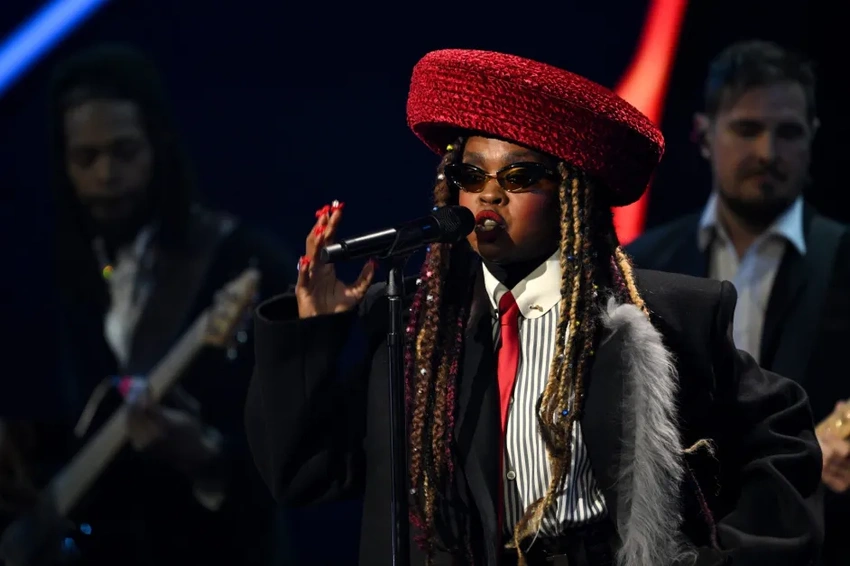
Commercial success alone cannot explain an album's cultural importance, but in Hill's case it amplified its impact. The record debuted at number one on the Billboard 200, earned ten Grammy nominations and won five awards, including Album of the Year. It became the first hip hop album to receive that particular honour, marking an important moment in the genre's institutional recognition. Years later, it was added to the United States National Recording Registry by the Library of Congress because of its cultural, historical and aesthetic significance.
These milestones matter because they challenged assumptions about which forms of music deserved critical prestige. Hip hop was no longer simply commercially successful. It was increasingly acknowledged as a serious artistic form deserving preservation alongside other landmark recordings.
Why it still feels contemporary
Many albums from the late 1990s now sound tied to their era. The Miseducation of Lauryn Hill somehow escapes this fate.

Part of that timelessness comes from its themes. Love, betrayal, faith, identity and community remain enduring concerns. But another reason is that the album never chases trends. Its production draws from musical traditions much older than itself, allowing it to age with remarkable grace.
Its influence can still be heard in artists ranging from Beyoncé and Kendrick Lamar to H.E.R., SZA and Rapsody, not because they imitate Hill's sound but because they inherit her understanding that commercial music can also be intellectually and emotionally ambitious.
Listening to the album today, what feels most radical is not its production or even its lyrical dexterity. It is its refusal to separate feeling from thought. The record insists that emotional vulnerability can coexist with political awareness, and that popular music can carry philosophical weight without sacrificing accessibility.
Few albums manage to redefine an artist. Even fewer redefine an art form. The Miseducation of Lauryn Hill accomplished both, and its lessons continue to resonate with every generation that discovers it.
