Smithsonian to Return Three Ancient Bronze Sculptures to India

Smithsonian to Return Three Ancient Bronze Sculptures to India
The Smithsonian National Museum of Asian Art will return three ancient bronze sculptures—Shiva Nataraja, Somaskanda, and Saint Sundarar with Paravai—to India after provenance research confirmed they were illegally remove
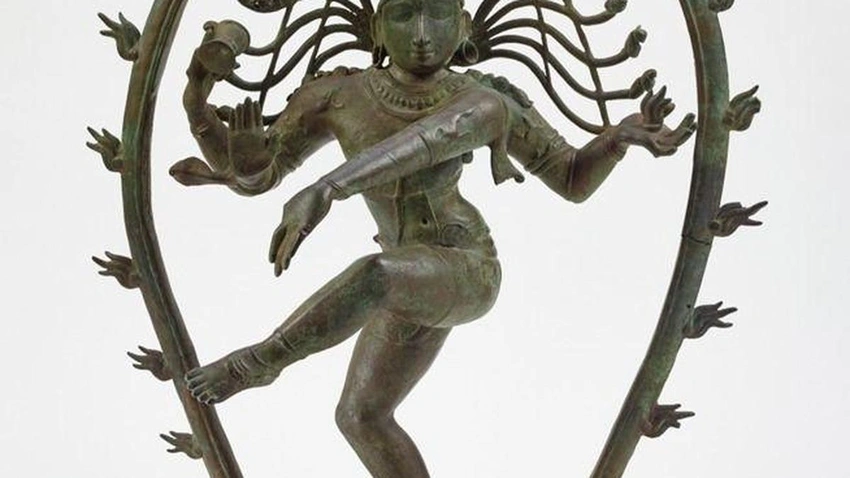
The Smithsonian’s National Museum of Asian Art in Washington has announced it will return three sacred bronze sculptures to India after a thorough provenance review found they were removed from Tamil Nadu temple settings in violation of Indian laws. The pieces—Shiva Nataraja from the Chola period, circa 990; Somaskanda from the Chola period, 12th century; and Saint Sundarar with Paravai from the Vijayanagara period, 16th century—represent a high point of South Indian bronze artistry and were historically carried in temple processions.
Following rigorous archival work, researchers confirmed that the bronzes had been photographed in Tamil Nadu temples between 1956 and 1959, a key clue in establishing their illicit removal. In partnership with Indian authorities, the Archaeological Survey of India reviewed these findings and affirmed that the sculptures were taken in violation of national laws. The museum underscored its commitment to responsible stewardship and transparency in its collection management.
As part of the arrangement, one of the sculptures—the Shiva Nataraja—will be placed on a long-term loan and exhibited as part of a broader display, The Art of Knowing in South Asia, Southeast Asia, and the Himalayas. The other two works will be returned to the Government of India. The transfer is a milestone in ongoing collaborations between the United States and India to address cultural heritage restitution.
The Embassy of India in Washington and the National Museum of Asian Art are finalizing logistical arrangements for the handover. This gesture aligns with a growing momentum to repatriate artefacts that were removed during colonial or illicit periods, reinforcing the shared commitment to preserve cultural heritage in its rightful context.
Overall, the return highlights constructive international cooperation and respect for sacred objects that once stood at the centers of temple life, now rejoining India’s living cultural landscape.
