Trump Weighs Fresh Tariffs on Indian Rice Over 'Dumping' Claims

Trump Weighs Fresh Tariffs on Indian Rice Over 'Dumping' Claims
Trump hints at new tariffs on Indian rice to curb dumping as U.S. farmers push back on cheap imports; data shows India's rice exports to the U.S. are small but India remains a global supplier.
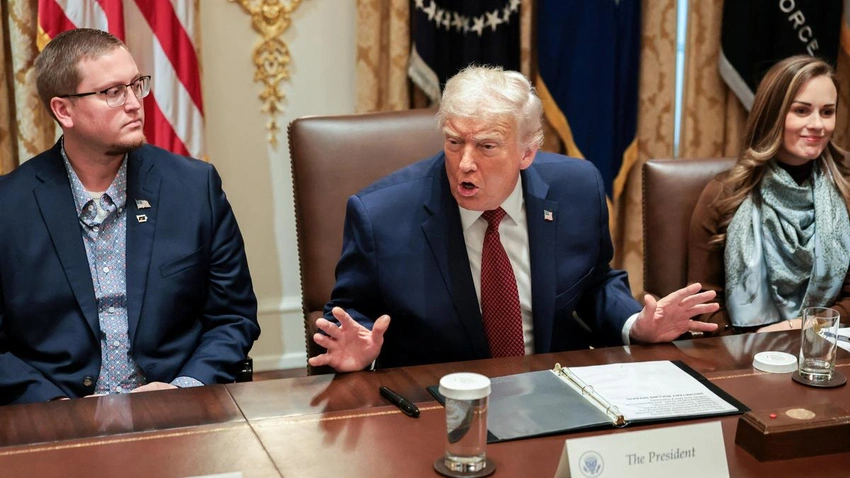
President Donald Trump signaled he might impose fresh tariffs on Indian rice to curb what he called dumping of the commodity in the US market. The remarks came during a White House session in which he unveiled a new $12 billion aid package for American farmers and said imports were challenging domestic producers. He asked aides whether India should have to pay tariffs and suggested that the dumping issue could be resolved quickly with tariffs. The comments arrived as a U.S. team prepared to sit down with Indian negotiators in the coming weeks to discuss tariff steps, signaling ongoing friction in the broader trade relationship between the two nations.
Analysts note the United States is not a major destination for Indian rice. Trade data show India exported roughly 3 percent of its rice to the United States in 2023-24, while India remains a leading supplier to many other countries. That gap means any duties on Indian rice could backfire at home, potentially raising prices for American shoppers and complicating supply chains without meaningfully curbing India's overall export footprint. India ships rice to 179 countries, a reach that makes it a central player in global grains markets beyond the United States.
New Delhi and Washington have been negotiating on a broader trade package, with a U.S. team scheduled to visit New Delhi on December 10-12 to discuss tariff options. While India argues for reciprocity, U.S. officials have framed tariffs as a tool to address dumping and to protect American farmers who face pressure from cheap imports. The White House move underscores the political heft behind farm subsidies and industry lobbying as lawmakers weigh inflation and consumer costs. The discussions come as both sides jockey for position ahead of upcoming talks and as the administration shows a willingness to use duties to reshape market dynamics.
Farmers groups welcomed stronger action against what they see as unfair competition, while export advocates warned of higher costs for countries relying on Indian rice and potential retaliation. Trade observers say any duties would need careful calibration to avoid a tug of war that could complicate the overall relationship between what remain two of the world's largest economies. The debate also touches on issues of food security and global supply chains that go beyond the United States and India, with consequences that could ripple through markets across Asia and beyond.
Separately, Trump floated possible tariffs on Canadian fertilizer to support domestic production, a reminder of a broader push to shield local industry. The discussion coincides with concerns about inflation and supply chain pressures as policymakers seek to balance farm support with consumer costs. In the coming weeks, markets will watch for any concrete tariff rates, timelines, and reciprocal moves from India that could determine whether the rhetoric translates into new duties on grain and related goods.
Ultimately, officials say any duties would be aimed at leveling the playing field rather than targeting India alone, but analysts warn the actual impact will depend on timing, scale, and the response from Indian authorities. The coming talks will test how far trade policy can bend before it strains instead of strengthens bilateral ties.
Cover image source: Trump considers new tariffs on Indian rice, says ‘they shouldn’t be dumping’ 🔗
