RSS Denies Hiring US Lobbying Firm Amid Congress Claims

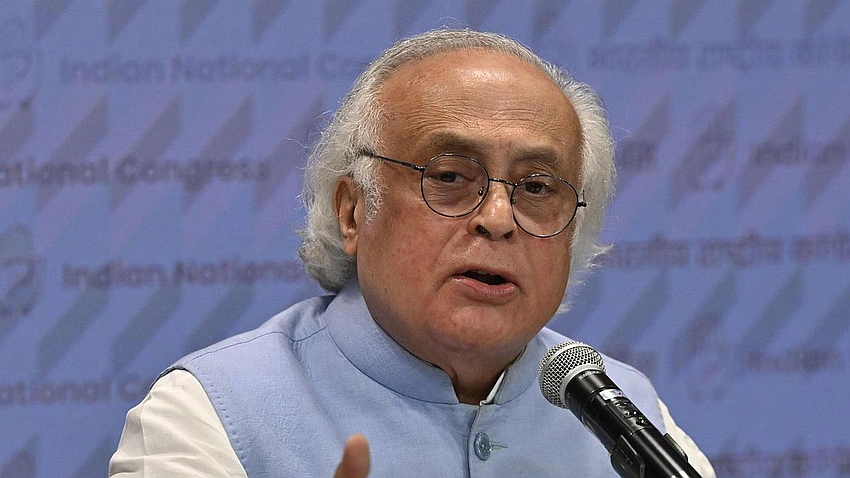
RSS Denies Hiring US Lobbying Firm Amid Congress Claims
Congress charges RSS with hiring a US lobbying firm; RSS and its supporters deny it, citing Bharat-based work and disclosure details.
A heated political debate has erupted over whether the Rashtriya Swayamsevak Sangh (RSS) engaged a United States lobbying firm to advocate its interests in Washington. The Congress has intensified the narrative, alleging that RSS tapped one of Pakistan’s official lobbying arms to influence US officials. The RSS, however, rejects the charges, insisting that it operates within Bharat and has not hired any lobbying firm in the United States. The dispute comes as lawmakers scrutinize how political groups connect with decision-makers abroad and how such engagements are disclosed.
New disclosures and comments from lobbyists’ records have added to the tension. Reported disclosures suggest that Squire Patton Boggs was paid around $330,000 this year by One+ Advisers, a lobbying and public affairs firm, on behalf of the RSS, with the aim of introducing the organization to US officials. Critics point to this arrangement as potentially signaling an attempt to shape policy discussions in Washington. The arrangements appear under the Lobbying Disclosures Act rather than the Foreign Agents Registration Act, which has raised questions about the appropriate channels and transparency of such engagement.
On the other side, RSS leaders have pushed back vigorously. A prominent RSS spokesperson asserted that the organization does not operate as a foreign lobby and reiterated that the RSS “works in Bharat” and has not engaged a US lobbying firm. The Congress has characterized the disclosures as a betrayal of national interest and has linked the issue to broader debates about accountability and tax status. While the full details of who contracted the firms and how the work was framed remain under discussion, the situation underscores the ongoing controversy over how political groups seek influence beyond India’s borders and how such activities are tracked and reported.
Analysts note that the broader question extends beyond a single contract. It touches on how lobbyists interact with Indian organizations, the legal distinctions between foreign agents and domestic entities, and the public’s right to understand who is influencing policy discussions that may affect bilateral relations. The episode arrives amid ongoing political scrutiny of group affiliations and the transparency required for public confidence in governance. The RSS maintains its position, while opponents demand more clarity on the funding, scope, and oversight of any such engagement.
Cover image source: RSS hired Pakistan-linked lobbying firm for work in U.S., says Congress 🔗
