Is Broadway Finally Giving Ballroom Its Flowers or Just Stealing the Aesthetic?

Is Broadway Finally Giving Ballroom Its Flowers or Just Stealing the Aesthetic?
The Jellicle Ball is here, and it is trading feline fur for ballroom fierce. Explore the fine line between mainstream success and cultural appropriation on the big stage.
For decades, the lights of Broadway and the underground energy of New York ballroom culture existed in parallel universes. One was the bastion of high-brow commercial theater, while the other was a lifeline for Black and Latine LGBTQ+ communities. But with the arrival of Cats: The Jellicle Ball, those worlds have finally collided in a way that feels both inevitable and overdue.
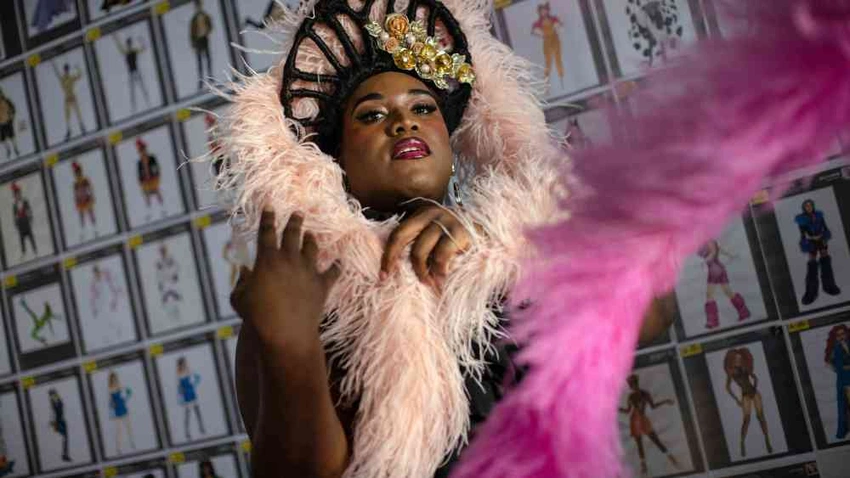
The new production trades in the literal feline whiskers for something far more fierce: the competitive spirit of a ball. With nearly 500 looks created by costume designer Qween Jean, the show is not just a revival. It is a full scale reimagining. It begs the question: why did it take this long for the mainstream to embrace the very culture that has been feeding pop music and fashion for years?
The Aesthetic of Survival
Ballroom was never just about the clothes or the voguing. It was created as a space for people who were excluded from traditional society to build their own families and find their own glory. When we see these influences on a Broadway stage, we have to look at who is steering the ship. Having a designer like Qween Jean, who understands the soul of the community, is what moves this project from mere appropriation into the realm of authentic celebration. The internal glow of the performers is emphasized over simple costumes, making the art form feel lived-in rather than put-on.
Mainstream Recognition or Commercial Capture?
There is always a risk when a subculture moves into the spotlight of the Great White Way. We have seen it happen with hip-hop and jazz. The danger is that the edges get smoothed out for a tourist audience. However, this interpretation seems to be leaning into the raw energy of the scene. By turning a show about cats into a show about the search for belonging in the ballroom world, the production finds a new layer of emotional depth that the original spandex-heavy version often lacked.
Why Now?
We are living in an era where audiences crave authenticity. The old feline interpretations belong to a different generation. Today, we want stories that reflect the diverse, gritty, and beautiful reality of New York City. Ballroom culture is the heart of the city, and it is about time Broadway acknowledged its debt to the houses and legends who have been setting the trends since before the first Jellicle cat ever walked onto a stage. If the mainstream is going to take from the ball, it must also give back the respect and stage space the community deserves.
