I Finally Watched Rivals and, Honestly, I Get the Obsession


I Finally Watched Rivals and, Honestly, I Get the Obsession
I Finally Watched Rivals and, Honestly, I Get the Obsession
Rivals is the gloriously ridiculous British fantasy I didn’t know I needed, where sex, power and 1980s excess somehow become a surprisingly tender reminder of how much more alive television can feel when everyone is toge
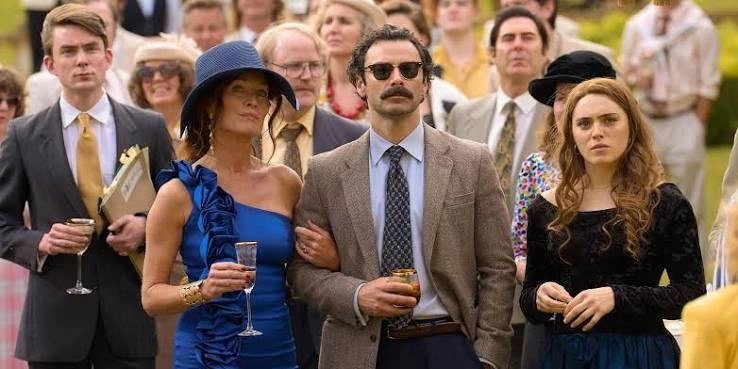
Certain television shows acquire their appeal from the feeling that watching them might be good for us, beneficial even. Then there are comedies like Rivals, which seem to have been designed by someone who looked at the phrase “guilty pleasure” and decided it was unnecessarily moralistic. I finally gave in to the Jilly Cooper adaptation after seeing it everywhere, and within minutes, I understood the appeal. There are beautiful people behaving terribly in enormous houses, a television war unfolding across the Cotswolds and enough sexual tension to make an entire episode feel slightly overheated. It is silly. I am perfectly aware that it is silly. Yet what interests me most is how effectively the show captures one of television’s most distinctive possibilities: how often that silliness and over-the-top mess turns into something much more sincere.
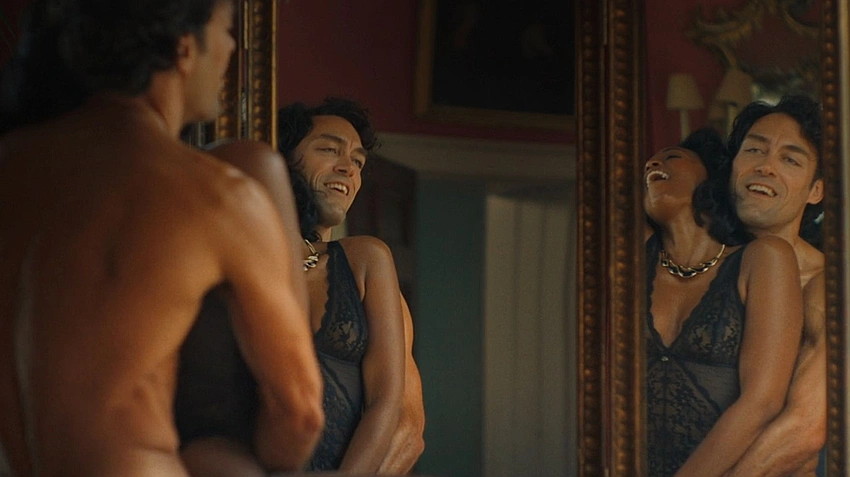
Welcome to Rutshire, Where Everyone Is Horny
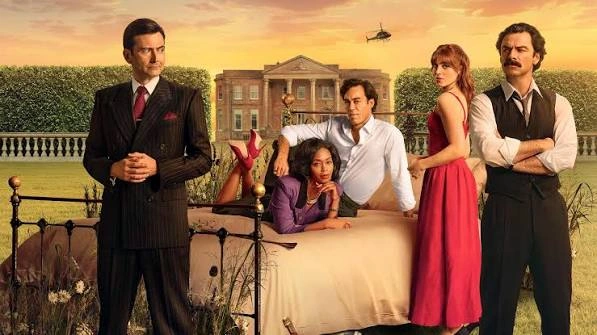
Set in 1980s Britain, Rivals drops us into the world of Corinium Television, where Lord Tony Baddingham and Rupert Campbell-Black are locked in a battle over a regional television franchise. David Tennant plays Tony with the kind of theatrical fury that makes every boardroom argument feel like Shakespeare performed after several drinks. Alex Hassell's Rupert is his opposite: a former Olympic showjumper, politician and serial womaniser whose confidence is matched by an oddly generous streak. Around them, the show keeps multiplying its complications. Declan O'Hara wants control over his television career. His wife Maud is trying to find her own way through their marriage. Lizzie Vereker is trapped with a husband who barely seems to notice her. Everyone wants something, and almost everybody wants somebody.
This is where Rivals gets its particular kind of momentum. The sex is ridiculous, but the desire underneath it is usually recognisable. People want to be noticed. They want to escape marriages that have become prisons. They want careers that belong to them. They want to be wanted by the person they cannot stop thinking about. Beth Lisogorsky's review gets at this wonderfully through the show's romances, particularly Lizzie and Freddie, whose relationship works because their attraction is complicated by the fact that they actually care about hurting other people. That is a surprisingly generous idea to put inside a show this horny.

The Joy of Being Completely Unreasonable
I think what surprised me most was how much I enjoyed the show's refusal to behave like prestige television. Everything is turned up. The clothes are louder. The houses are ridiculous. The parties seem to run on alcohol and bad decisions. Even the arguments have the energy of people who have forgotten there is such a thing as an indoor voice. PopMatters describes the series as embracing the excesses of the Anglo soap opera, and that feels exactly right. Rivals does not want to hide its pulpiness behind a serious expression. There is something liberating about that.
So much contemporary television seems terrified of being caught enjoying itself. Even when a show is funny, it often wants the audience to know that the joke is also making some larger point. Rivals can make a ridiculous dinner scene feel like a full-scale farce and then, a few minutes later, give somebody a genuinely sad moment. It trusts the audience to move between those registers.
The Guardian's Zoe Williams writes about the nostalgia the show produces despite the fact that the period it depicts was full of ugliness. The Thatcher era brought inequality and political homophobia alongside the excess that Rivals loves to recreate. The series does not erase those realities. It simply refuses to let them consume every frame. And I think that is part of its charm.

I Wasn't Prepared for How Much I Missed People Being Together
The real nostalgia of Rivals has very little to do with wanting to live in the 1980s. I have no desire to inherit the decade's politics, its casual prejudice or its spectacularly questionable attitudes towards drinking. What I found myself longing for was something much simpler: people constantly being around one another.
Williams gets at this beautifully when she describes a world without smartphones, where people stayed late at parties and social life did not require arranging itself through a screen. PopMatters makes a similar argument, suggesting that the show's crowded social world feels almost utopian when placed beside the isolation of contemporary life. Watching Rivals from India makes this even stranger for me. I am obviously not nostalgic for a Britain I never lived in. My relationship with the show is entirely mediated through television, fashion and the mythology of a particular British decade. Yet I still recognised the pleasure of being somewhere where people seem incapable of leaving each other alone.
The Show Is Actually Smarter Than Its Own Ridiculousness
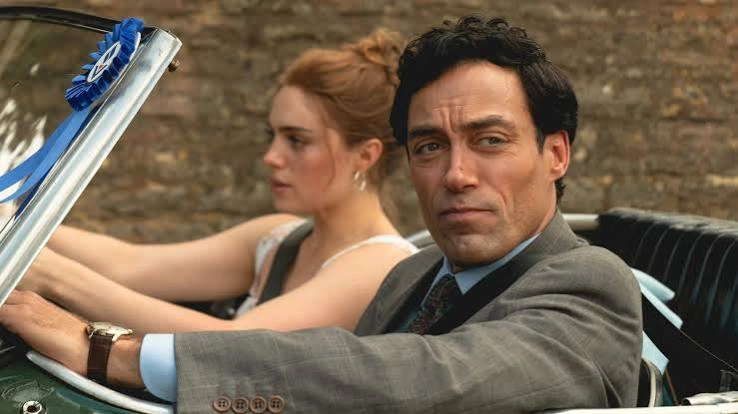
This is also why I think the women become increasingly important. Taggie, Lizzie, Monica and Maud are surrounded by men who believe they are the protagonists of the universe, but the show gradually reveals how much is happening outside their fantasies of power. Taggie is especially interesting because she is underestimated by almost everyone around her. Lizzie's relationship with Freddie carries an emotional weight that cuts through the show's appetite for spectacle. Monica, meanwhile, begins to emerge from behind Tony's enormous personality as someone with her own history and frustrations.
The sexual politics are messy, and the show does not always resolve them neatly. It also cannot pretend that the 1980s were some lost paradise of freedom; the show's treatment of sexual exploitation, racism and misogynoir, as well as the presence of homophobia and class cruelty beneath all the champagne, point to that laconically. That contradiction is actually what makes the nostalgia interesting.
Maybe I Don't Want Television to Be Good for Me All the Time
By the time I finished Rivals, I realised I had spent much of the series laughing at exactly the things I would normally complain about. The wealth is absurd. The men are frequently unbearable. The sexual politics can make you want to throw something at the screen. Yet I kept pressing play. Maybe because the show understands something television has been losing: watching people be alive can be entertaining in itself.
The world of Rivals is full of bad decisions, but it is also full of possibilities. People can change their minds. They can fall in love with someone unexpected. They can leave a marriage. They can start a business. They can make fools of themselves and still wake up the next morning with something to pursue. That is what I ended up taking from this wonderfully silly show. Beneath all the sex and shouting, Rivals is selling me an increasingly unfamiliar fantasy: that life is supposed to happen between people.
And perhaps that is why I found myself loving it more than I expected. I did not fall for Rivals because I wanted its world back. I fell for it because, watching everyone constantly collide with everyone else, I remembered how much more interesting life becomes when you stop trying to live it alone.
Go on, allow yourself the indecency of enjoying it. Rivals has plenty to offer beyond its remarkably persuasive case for lust!
