Bangladesh braces for a pivotal moment after Hasina death sentence

Bangladesh braces for a pivotal moment after Hasina death sentence
Bangladesh's political landscape tightens as a war crimes court sentences former PM Hasina to death, fueling debate on democracy, elections, and stability.
Bangladesh’s war crimes court has handed down a death sentence to former prime minister Sheikh Hasina for crimes against humanity, a ruling that has sparked immediate and polarized reactions across the country. Hasina and her supporters condemned the verdict as biased and politically motivated, while critics say the decision could be part of a broader struggle over influence and control as Bangladesh approaches a controversial political moment. Dhaka’s streets and online discussions quickly filled with responses that reflect deep-seated grievances and longstanding rivalries in national politics.
Hasina, who fled to India in August 2024 after being ousted in a student-led uprising, remains a central figure in a country whose political future now hinges on how authorities manage elections and peaceful transition. Supporters argue the ruling could spur accountability and closure after a long chapter of conflict, while opponents view it as a tool to sideline her party ahead of a tightly watched vote. The timing of the verdict has intensified debates about democracy, legitimacy, and the path to elections in February.
Analysts caution that the situation could widen polarization and raise the risk of unrest. The interim government, led by Nobel laureate Muhammad Yunus, faces intense scrutiny over its handling of the political transition and its commitment to restoring democratic norms after years of upheaval. Police morale and public order are already at the forefront of concerns, with memories of earlier crackdowns and violent protests shaping expectations about security during any upcoming demonstrations.
Observers note that the political climate remains volatile, with fears that spoilers could attempt to disrupt the electoral process. The period ahead will test the state’s capacity to balance security with civil liberties, and to ensure a credible election that can ease the country toward a more stable political rhythm. Hasina’s son has warned that the party may attempt to block the election if its political ban remains in place, underscoring the stakes and the fragility of any democratic transition.
In this moment, Bangladesh stands at a potential turning point: a country weighing a profound choice between punitive accountability, democratic participation, and the risks of continued political paralysis. The coming weeks will reveal how leaders reconcile competing narratives and whether a peaceful, legitimate path to voting can prevail.
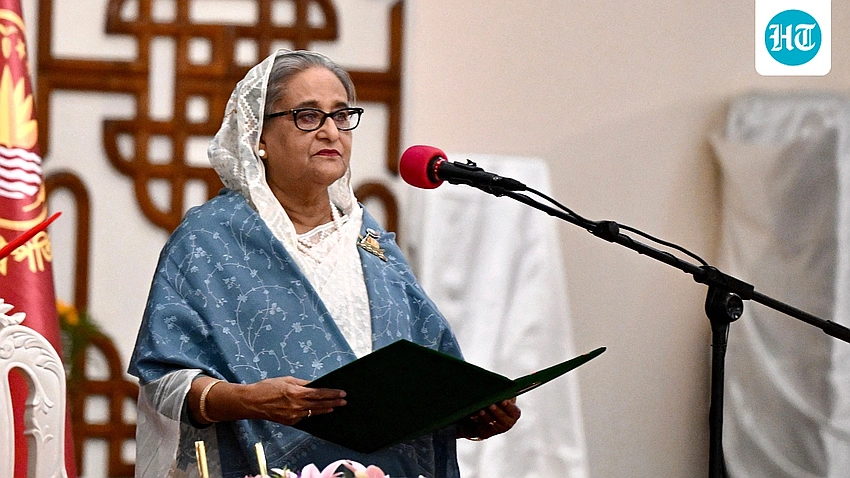
Cover image source: Can Sheikh Hasina be easily extradited from India to Bangladesh? What rules in treaties say 🔗
