Reboot or Backlash? Nicholas Hoult and the Harry Potter Casting Firestorm

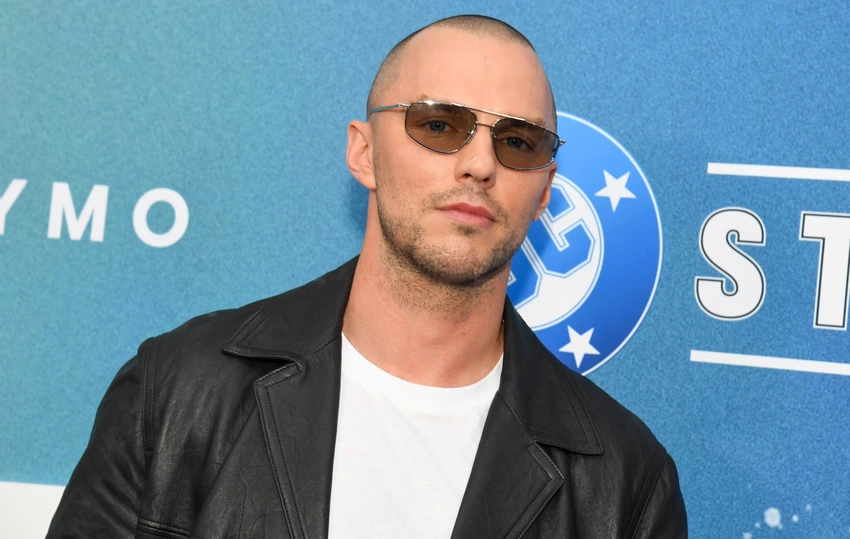
Reboot or Backlash? Nicholas Hoult and the Harry Potter Casting Firestorm
The casting of Nicholas Hoult in HBO’s Harry Potter reboot ignites a social media storm, highlighting the complex dance between beloved franchises, controversial creators, and fan expectations in the modern era.
Fandom Backlash: Navigating Beloved Franchises in the Reboot Era
The announcement of Nicholas Hoult joining the upcoming HBO “Harry Potter” series has ignited a fierce debate across social media. While landing a role in such a globally recognized franchise might seem like a dream come true for any actor, Hoult's involvement as Gilderoy Lockhart has instead triggered a wave of criticism from fans, placing him squarely in the crosshairs of a larger cultural conversation about reboots, creator ethics, and fan loyalty.
At the heart of the controversy lies author J.K. Rowling, who will serve as executive producer for the seven-season adaptation. Her widely publicized and often criticized views on gender have created a significant rift within the “Harry Potter” fandom.
For many, supporting any new project associated with Rowling is seen as an endorsement of those views, leading to a moral quandary for both audiences and the talent involved.
Fans quickly voiced their disapproval online. One user expressed,
This is disappointing to see. It's a shame to see him working on something that will benefit anti LGBT+ groups.
Another lamented, “All of my goodwill towards him is fully gone.” Even a dedicated fan account, @houltdaily, paused its activity, posting, “Pausing any posts on this account for the time being.
Nicholas Hoult do better, so many of your fans are hurt.” This backlash highlights the immense pressure actors face when navigating projects tied to controversial figures, forcing them to weigh career opportunities against public perception and ethical considerations.
It is an interesting twist of fate for Hoult, 36, who, back in 2024, revealed on “Hot Ones” that he had unsuccessfully auditioned for multiple roles in the original film series, including Harry and Draco Malfoy. He recalled the experience with humor, mentioning fake glasses and repeated attempts for various parts. Now, years later, he secures a prominent role, only to find himself in the midst of a different kind of trial by fire.
This incident is emblematic of the challenges inherent in the current “reboot era.” Studios are eager to capitalize on existing intellectual properties, leveraging nostalgia and established fanbases. However, modern fandoms are no longer passive recipients; they are active, vocal communities with strong opinions and an expectation that their cherished stories align with evolving social values.
When a creator's personal stance conflicts with these values, the resulting tension can overshadow the production itself.
The “Harry Potter” series, which will see Dominic McLaughlin taking on the role of Harry Potter, is still in its early stages.
Yet, the swift and passionate reaction to Hoult's casting serves as a stark reminder for the entertainment industry.
In an age where ethical considerations and social justice are paramount for many consumers, the success of a reboot hinges not just on its creative execution, but also on its ability to navigate the complex, often deeply personal, relationship fans have with their beloved franchises and the people behind them. The conversation has moved beyond mere entertainment, venturing into the realms of advocacy, accountability, and the power of collective fan voice.
