CJI releases Collegium data on High Court appointments, shows diverse representation

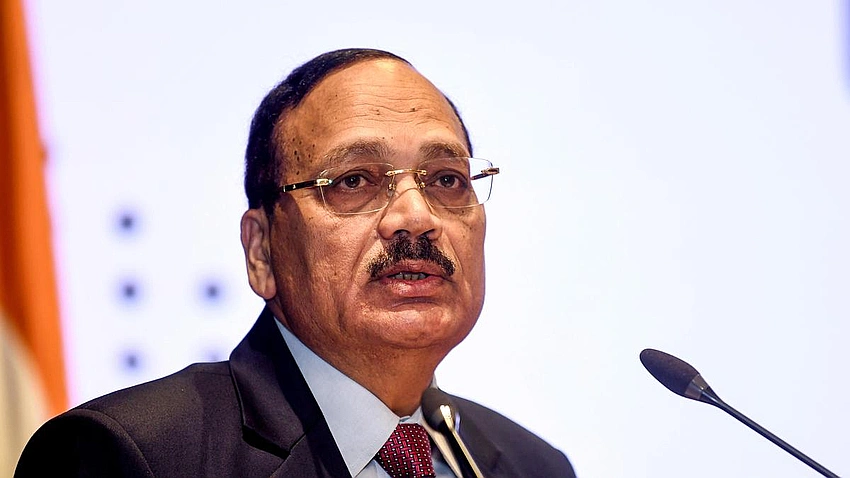
CJI releases Collegium data on High Court appointments, shows diverse representation
Outgoing CJI BR Gavai publishes details on High Court nominees, highlighting gender, caste and minority representation among 93 approved out of 129 considered.
In a move toward transparency, the outgoing Chief Justice of India, BR Gavai, placed the names and social details of candidates approved by the Collegium for High Court appointments in the public domain. The step follows a years-long push to shed light on how nominees are selected across gender, caste and minority lines.
According to the released data, 129 names were considered since May 14, when Gavai took over as the top judge. Of these, 93 were approved. The breakdown shows that women accounted for 15, candidates from Other Backward Classes and Backward Classes 11, those from Scheduled Castes 10, minorities 13, and those linked to judges five. Notably, four of the women named belong to minority communities and one is from a Scheduled Caste background.
This public-facing disclosure continues the transparency tradition started by his predecessor Justice Sanjiv Khanna in May 2025. Earlier, in May, the Supreme Court Collegium headed by former Chief Justices D Y Chandrachud and Khanna released details of 221 names approved. Those figures showed that only about half the names recommended by state governments and High Court collegiums cleared background checks.
A broader tally from Chandrachud’s tenure, covering November 2022 to November 2024, shows 303 names were recommended and a little over half, 170, approved. Within that pool, 21 candidates were from OBC backgrounds, 28 were women, and 23 came from minority communities, underscoring the ongoing effort to diversify the judiciary.
With the current leadership, the aim is to keep public scrutiny and reform updates in focus as the system seeks to address a backlog of cases and promote mediation to speed up justice. Analysts say this level of transparency could foster trust while sparking questions about the pace and scale of appointments.
Cover image source: CJI-designate identifies chipping away at 90,000-strong arrears in Supreme Court as his first priority 🔗
