Oil Prices Surge as Iran Tightens Grip on Uranium and Strait of Hormuz

Oil Prices Surge as Iran Tightens Grip on Uranium and Strait of Hormuz
Global markets are on edge as Iran’s latest moves on uranium stockpiles and the Strait of Hormuz spark fears of a summer energy crisis. Is your wallet ready for higher fuel costs?
Global energy markets are feeling the heat this week as a series of geopolitical developments in West Asia sent oil prices jumping by more than 3%. The primary catalyst? A firm stance from Iran's Supreme Leader regarding the country's enriched uranium stockpile. By insisting that these materials remain within Iranian borders, the leadership has added a significant layer of complexity to ongoing peace negotiations with the United States.
This diplomatic friction comes at a precarious time for the global economy. While Asia-Pacific markets initially showed some resilience, trading higher as investors assessed the situation, the underlying tension in the energy sector is hard to ignore. The International Energy Agency (IEA) has already sounded the alarm, warning that the oil market could enter a dangerous 'red zone' as early as July. With summer travel season approaching and global stockpiles dwindling, the margin for error is becoming razor-thin.
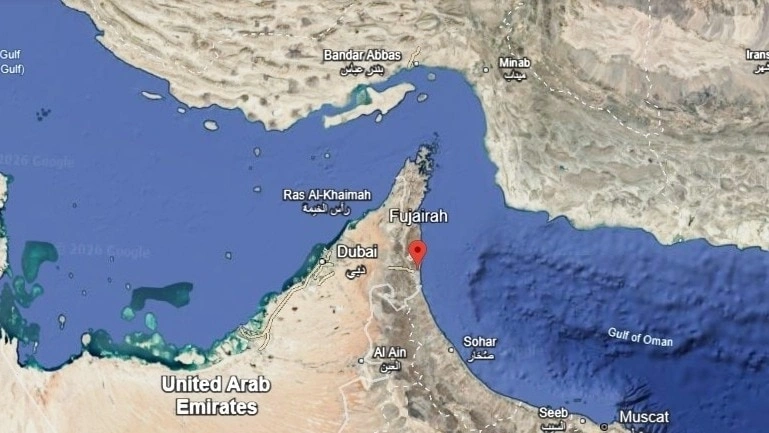
Adding to the uncertainty, Iran has officially defined a new regulatory zone for the Strait of Hormuz, known as the PGSA. This move is designed to oversee maritime security and tanker movements in one of the world's most vital trade arteries. For global trade, the implications are massive. The Strait of Hormuz is a critical chokepoint for global energy supplies, and any disruption or increased regulation there could have a domino effect on fuel prices worldwide.
IEA Executive Director Fatih Birol emphasized that the most critical solution to this potential energy shock is the unconditional reopening and stability of the Strait. However, with military deployments in the Gulf region on the rise and peace talks stalling over uranium terms, the path forward remains clouded. Investors and consumers alike are now watching the region closely, hoping that diplomacy can prevail before the 'red zone' becomes a reality.
