Ethics of AI Models in Vogue: Fashion, Technology & Future of Beauty

Ethics of AI Models in Vogue: Fashion, Technology & Future of Beauty
Ethics of AI Models in Vogue: Fashion, Technology & Future of Beauty
Vogue’s use of AI-generated models has sparked controversy over authenticity, labour, and beauty standards. This piece explores the ethical and cultural implications of synthetic fashion imagery through a literary lens.
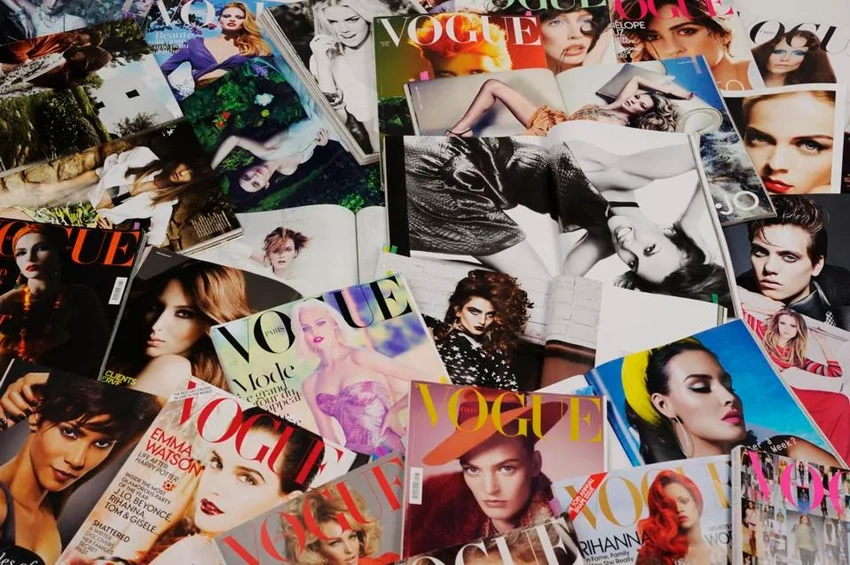
In the latest of fashion's increasingly surreal metamorphoses, Vogue, the hallowed arbiter of taste and texture, has embraced artificial intelligence not just as a tool, but as a face. AI-generated models now grace digital spreads, appearing alongside (and occasionally in place of) flesh-and-blood humans. While the cover girls of old once stood as symbols of aspiration and realism (however warped), the new crop of pixel-perfect avatars prompts deeper, trickier questions. The question stretches beyond the bounds of fashion and into ethics, aesthetics, and even ontology. What does it mean to model humanity when the model is no longer human?
Synthetic Ideals in Guess
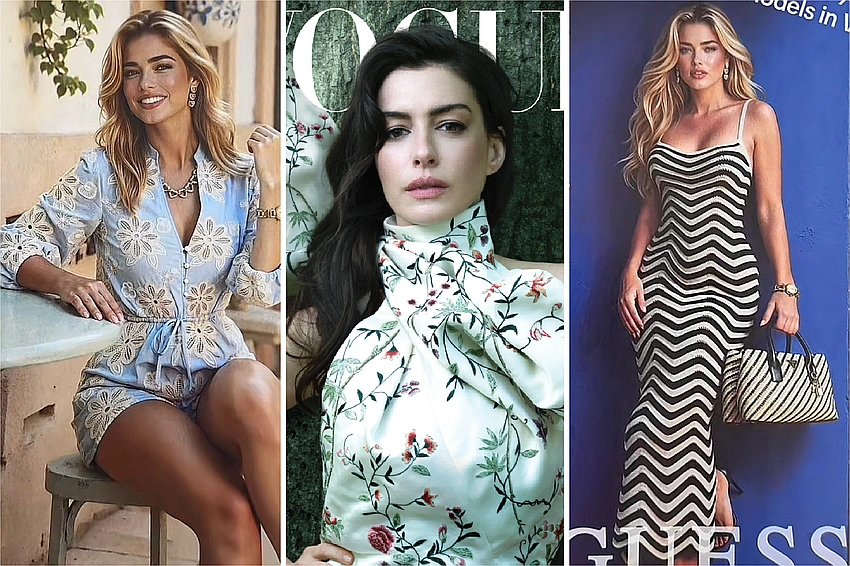
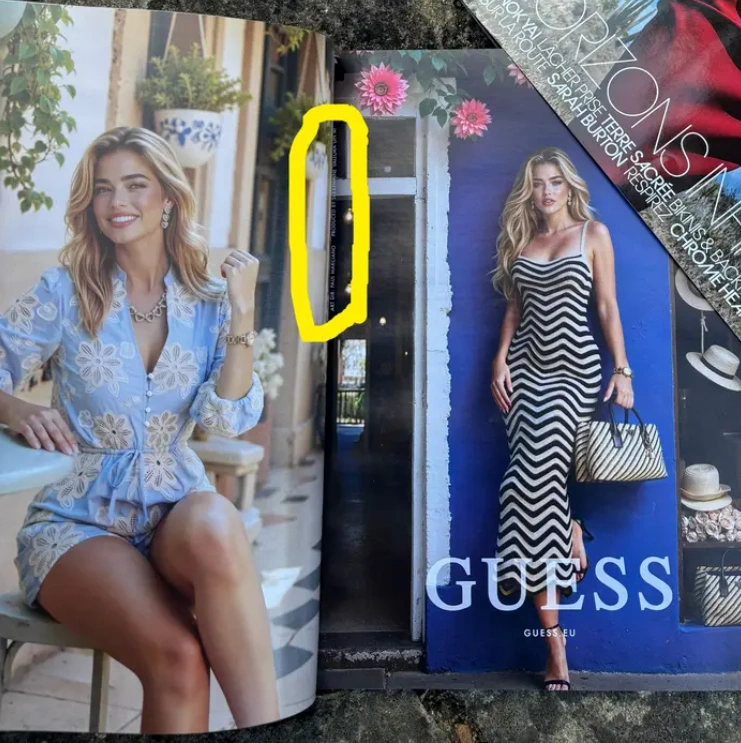
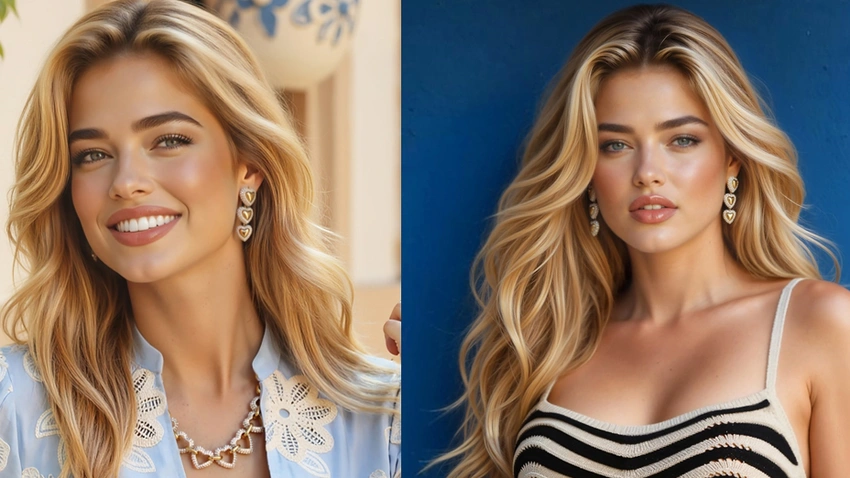
In their July 2025 feature, Vogue debuted an editorial shot entirely using AI-generated models, styled in Guess, their limbs elegantly proportioned, their skin poreless, their expressions imbued with the eerie precision of machine learning. In a two‑page advertisement for Guess, the featured model is not a person but a creation of code and barely acknowledged in tiny fine print as “Produced by Seraphinne Vallora on AI.” In a digital landscape already saturated with Facetune and filters, their seamlessness was unsettlingly plausible.
From Fantasy to Ontological Displacement
Now, it’s tempting to read this as a clever provocation. After all, fashion has always thrived on performance, on artifice, on the knowing wink of illusion. But when Vogue’s fantasy becomes indistinguishable from the hyperreal simulations of AI, we’re no longer talking about artistic exaggeration. We're talking about ontological replacement. As Baudrillard might warn us, the simulacrum doesn’t represent reality; it replaces it.
The Algorithmic Reduction of Beauty
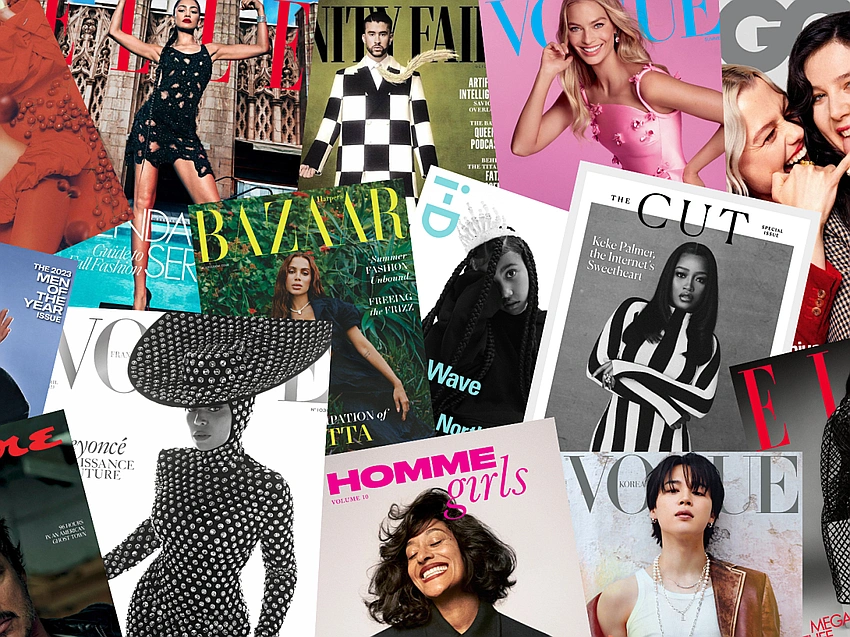
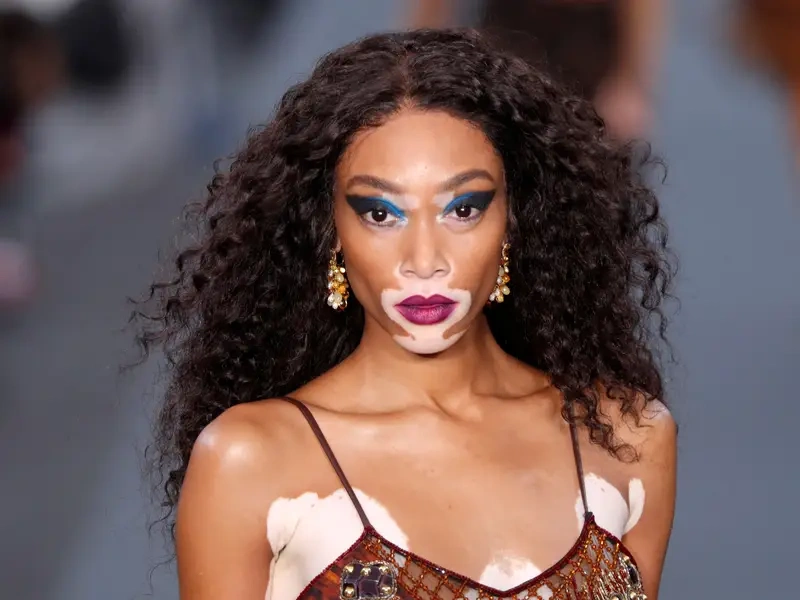
There’s a disturbing flattening that occurs in these AI models. They're trained on countless images of human faces and bodies gleaned from public datasets, often without consent, to produce a perfectly averaged and highly curated output. What we’re witnessing, then, is not an evolution of beauty, but its algorithmic reduction. This is beauty without history, without struggle, without skin.
Bodies as Battlegrounds
And yet, in fashion, especially high fashion, the body has always been a contested site. Feminist scholars such as Susan Bordo and Judith Butler have long examined how the female form in media becomes a locus of control, surveillance, and inscription. The AI model, in some ways, is the ultimate iteration of that control. There is no hunger, no aging, no resistance, only infinite pliability. A body made to obey the editorial fantasy with no messy reality to push back.
The Vanishing Creative Workforce
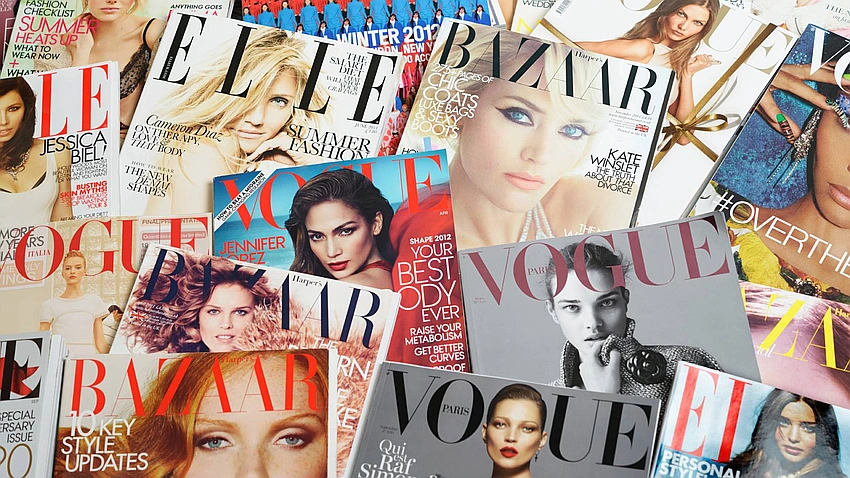
But perhaps more urgent is the labour question. AI doesn’t eat, sleep, or demand union protection. In a moment when models, makeup artists, and photographers are organising for better pay and conditions, the use of AI figures in Vogue feels like a cold and calculated sidestep. Why pay creatives when you can prompt an image? Why hire models when a machine can conjure a perfect avatar who offends no one and appeals to everyone?
The Anti-Memento: When Images Forget
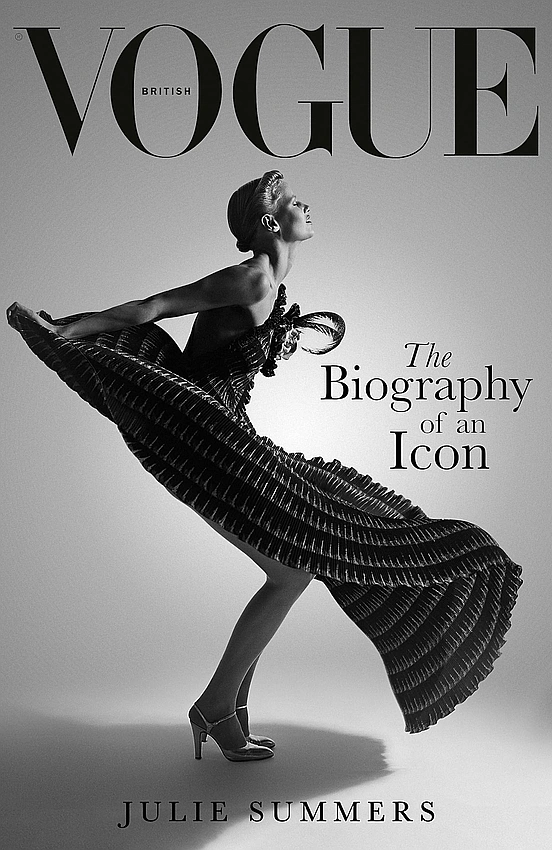
In her essay On Photography, Susan Sontag described the photograph as a kind of "memento mori"—a way of preserving the mortal. But the AI image is not that. It doesn’t remember anything because there was no real moment to capture. Instead, it’s an aesthetic hallucination, a fashion dream without a dreamer.
Reflections in a Shimmering Mirror
So here we are: scrolling past AI bodies wearing real clothes, wondering what counts as authenticity in a world where even desire is being automated. The question isn’t whether AI will change fashion, because it already has. The question is, will we still recognise ourselves in its reflection?
In the end, the ethics of AI in fashion isn’t just a conversation about technology. It’s about bodies, labour, beauty, and truth. And that, like any good outfit, demands to be worn carefully.
#AIFashion #VogueAI #EthicsOfAI #FashionEthics #DigitalBodies #AIModels #FashionControversy #FashionNews #Vogue #MediaLiteracy
