Russian Fuel Crisis: Drivers Switch to LPG Amid Soaring Prices & Shortages

Russian Fuel Crisis: Drivers Switch to LPG Amid Soaring Prices & Shortages
As petrol prices skyrocket and queues lengthen, Russian drivers are flocking to convert their vehicles to LPG. Ukrainian drone attacks intensify the crisis. Get the full story!
Russia is currently grappling with a severe fuel crisis, marked by nationwide gasoline shortages, escalating petrol prices, and frustratingly long queues at filling stations. This challenging situation is largely attributed to recent Ukrainian drone attacks targeting Russian oil refineries, significantly disrupting the country's fuel supply chain.
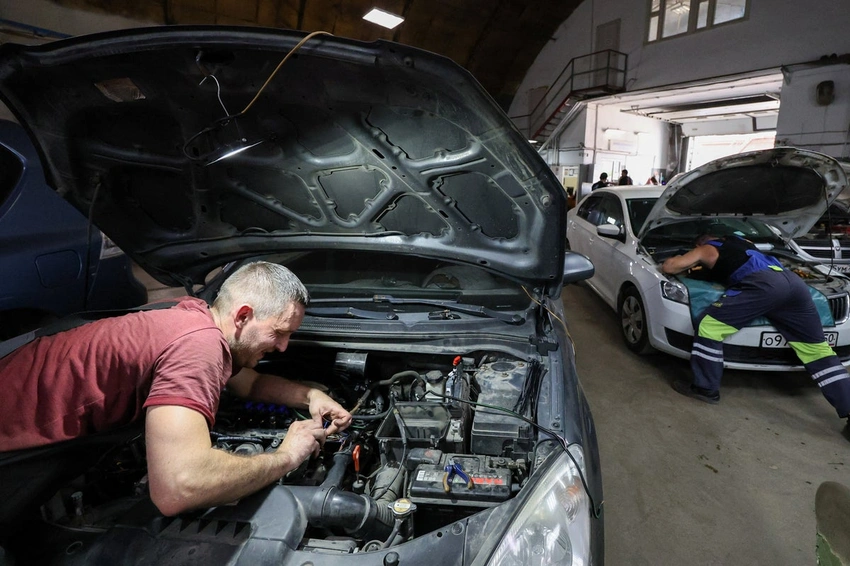
In response to these dire circumstances, a growing number of Russian drivers are making a significant shift: converting their vehicles to run on liquefied petroleum gas (LPG). Companies specializing in these conversions are experiencing unprecedented demand. Egor Popov, who runs Garant-Gas in Moscow, a firm that fits LPG equipment, reported that "demand had multiplied," leading to a waiting list extending until September. Similarly, Sergei Medvedev of Medvedev GBO stated that his company receives hundreds of calls daily but can only process a fraction of the enquiries.
LPG, composed of butane and propane, offers several compelling advantages for Russian consumers. Not only is it generally less expensive than gasoline—with prices often 50% to two-thirds lower—but it also promises shorter queues at refuelling stations. Moreover, LPG is considered more environmentally friendly, being less emissions-intensive than traditional petrol. Russia has long been a global leader in the use of LPG for car fuel, with around 3.5 million metric tons used in 2024, and motor fuel accounting for 54% of the country's LPG consumption last year.
The fuel shortages have been exacerbated by Ukraine's strategic campaign of drone attacks, which have successfully targeted key Russian oil infrastructure, including a recent reported strike on Russia's largest oil refinery in Omsk, deep within Siberia. This ongoing conflict has created a ripple effect, forcing everyday Russians to seek alternative and more affordable solutions for their transportation needs amidst the mounting economic pressures.
