Ukraine Elections on the Table as War Rages, Zelensky Seeks Security Guarantees

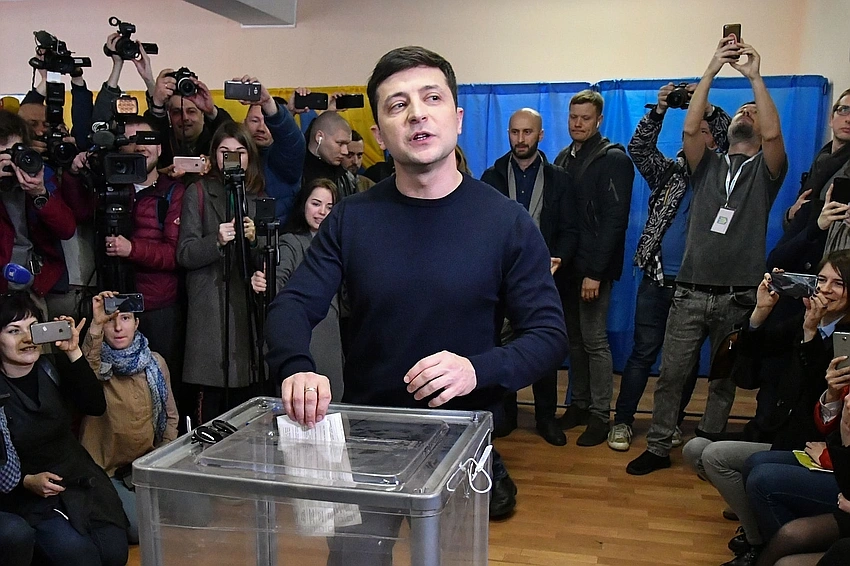
Ukraine Elections on the Table as War Rages, Zelensky Seeks Security Guarantees
Ukraine weighs holding elections during conflict; Zelensky says it’s up to the people while leaders push for peace talks and security guarantees.
Ukraine is navigating a complex moment: the possibility of elections while the war continues, and strong international pressure to secure peace and stability. Zelensky has indicated he is ready for elections if security can be guaranteed, but he adds that the decision should rest with the Ukrainian people, not external actors. Polls show Zelensky could have a strong chance at reelection, highlighting broad public support for leadership amid the ongoing crisis. Yet the path to ballots remains uncertain, underscoring the country’s precarious balance between democratic processes and national security.
On the international front, leaders across Europe and the United States are pressing ahead with diplomacy aimed at ending the war. Washington is circulating a peace framework and coordinating with partners in Europe to refine terms, including security guarantees that Kyiv says are essential for any electoral process to proceed. In parallel, discussions among Washington, Europe, and Kyiv continue to address territorial issues and the broader security architecture for Ukraine and the Euro-Atlantic region. The conversations come as some voices—most notably from the United States—signal that the current moment requires intensive work on peace plans in the days ahead.
From Moscow’s side, the Kremlin has aligned itself with Russian viewpoints on the war’s trajectory, including positions on territories and NATO membership, arguing that Kyiv would need to concede certain areas as part of a broader settlement. This backdrop creates a highly charged environment for Ukraine’s democratic prospects, where security realities could shape whether and how elections are conducted. Local and international observers emphasize that any electoral arrangement would need robust security guarantees, credible election administration, and transparent safeguards to maintain public trust during a time of conflict. As Kyiv weighs its options, the country’s leadership, civil society, and international partners are all weighing how to preserve democratic norms without compromising national defense or civilian safety.
The coming days could prove pivotal: if security guarantees materialize and trust in the process grows, the country may move closer to a decision on elections that reflect the will of its people. If not, electoral plans might be postponed or adapted to the crisis, underscoring the difficult choices facing Ukraine’s democracy amid war.
