Afghan Allies in Doha Face Congo Relocation Fears, Advocates Warn

Afghan Allies in Doha Face Congo Relocation Fears, Advocates Warn
Hundreds of Afghan allies stranded in a Qatar camp fear being sent to the Congo as shifting U.S. policies leave them with few safe options.
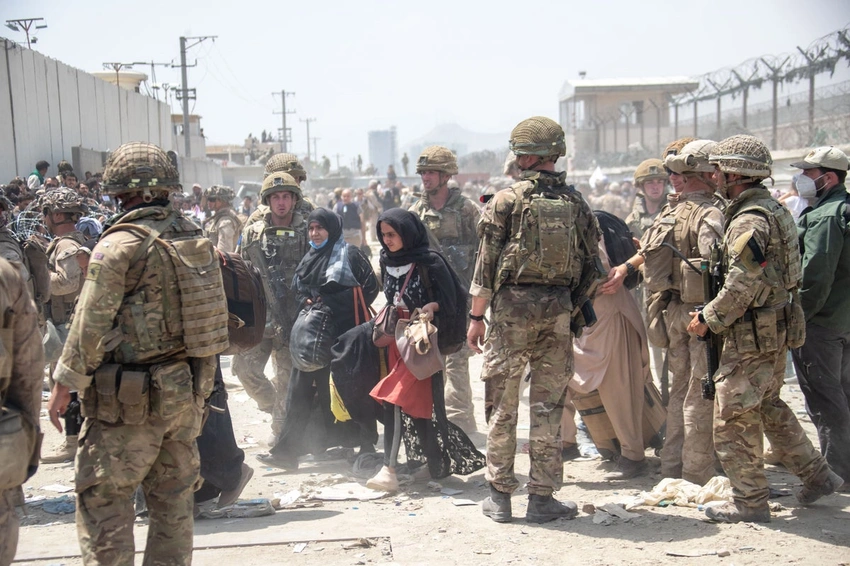
Hundreds of Afghans and their families are stuck at Camp As Sayliyah, a former U.S. military base in Doha, Qatar, facing what advocates call an impossible choice: return to Taliban rule in Afghanistan or be relocated to the Democratic Republic of Congo, a country already grappling with humanitarian crises. About 1,100 Afghans and their relatives remain in limbo, having supported U.S. efforts over years of war and vetting, yet facing uncertain futures as policy sits in stasis.
One family representative, whose brother served with a Marine unit, described the looming dilemma as not a real policy option but a form of pressure. The individual warned that sending vetted Afghan allies to Congo would expose them to a country with little protection, no guaranteed legal status, and a fragile humanitarian situation — a contrast to the safety and stability they hoped to find through resettlement.
Advocates are blunt: Congo is not a viable destination for vetted allies and their children. They point to the absence of trusted communities, legal pathways, and adequate protection in Kinshasa, arguing that a forced transfer would amount to a risky, last-minute maneuver that ignores the families’ long histories of service and sacrifice for U.S. interests.
The concerns are tied to previous U.S. decisions that blocked or narrowed pathways for Afghan partners to enter the United States, even after years of screening and approval. The potential option of moving these families to Congo is viewed by many as a political maneuver rather than a humanitarian plan, effectively using relocation as a cover to avoid broader resettlement responsibilities.
The protests from families and supporters emphasize a broader moral question: what happens to those who stood by American troops when security promises were made? The caretakers stress that the displaced Afghans deserve a real, workable path to safety, not a choice between a return to danger and an additional displacement in a distant country. As the situation evolves, advocates urge policymakers to prioritize durable solutions that protect children and adults who have already endured years of uncertainty.
