India and Canada steer through Trumpian storm: a Quiet Strategic Reset

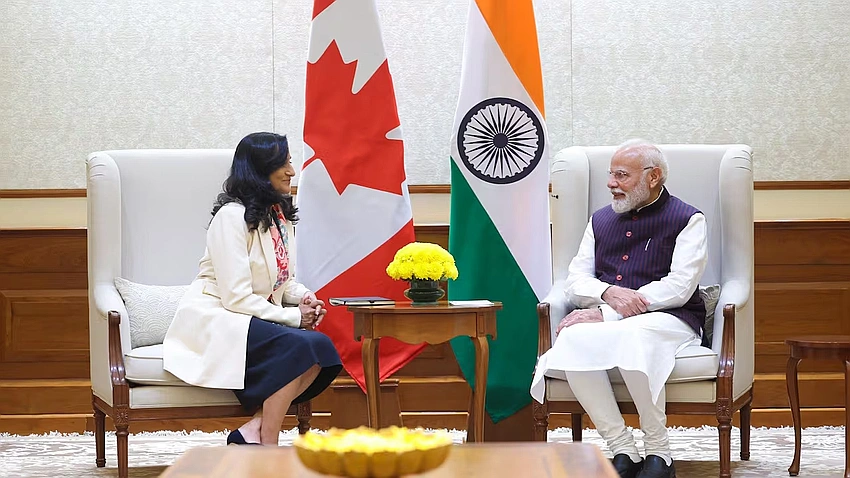
India and Canada steer through Trumpian storm: a Quiet Strategic Reset
As Trump returns to the presidency, India and Canada push a deliberate reset, leaning on a large Indian diaspora, growing trade potential, and lessons from past frictions.
India and Canada are successful democracies with stark differences in size and wealth. India has about 1.4 billion people and a GDP of $4.18 trillion, while Canada counts roughly 41 million people and a GDP of $2.25 trillion. Yet the two countries have built a close relationship spanning trade, security, education, and people-to-people ties.
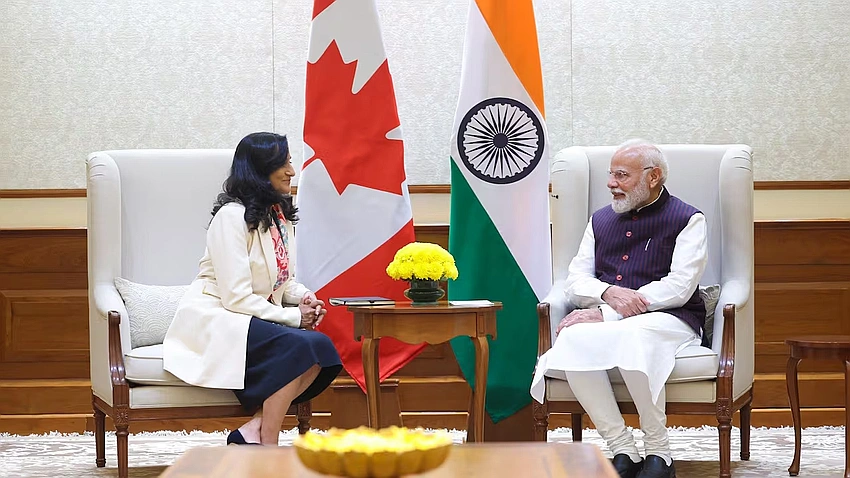
The Indian diaspora in Canada now accounts for nearly 7% of Canada's population. That relationship, however, was tested by a crisis that began in September 2023. It culminated in a public setback in September 2023 when Prime Minister Justin Trudeau, speaking in the House of Commons after returning from the G20 summit in New Delhi, referenced credible allegations of a potential link between agents of the Government of India and the killing of a Canadian citizen, Hardeep Singh Nijjar.
The dispute underscored how quickly bilateral ties can fray and how sensitive security and foreign-policy issues can become. From there, the relationship moved into a period of recalibration. In October 2025, about two years after the crisis, Canada and India put in place a structured and consciously crafted reset of the bilateral relationship, signaling a deliberate effort to pull the partnership back onto a more predictable and collaborative path.
Historically, engagement saw high-profile exchanges: Prime Minister Narendra Modi’s visit to Canada in April 2015 visited Ottawa, Toronto, and Vancouver, seen as a sincere push to deepen bilateral cooperation. In return, Prime Minister Justin Trudeau’s state visit to India in February 2018 produced six agreements, but sharp differences over counter-terrorism and the activities of Sikh separatists in Canada left a bad taste in the mouths of Indian hosts.
The current reset, framed in the context of broader global shifts and a shifting Western alliance landscape under a Trump-influenced environment, aims to advance dialogue on trade, people-to-people ties, and security cooperation while managing sensitivities that previously destabilized ties. The question now is where the relationship heads next, toward steady collaboration across multiple domains, despite ongoing disagreements and new global challenges.
