Iran Demands US 'Correct Behavior' for Hormuz Reopening Amid Tensions

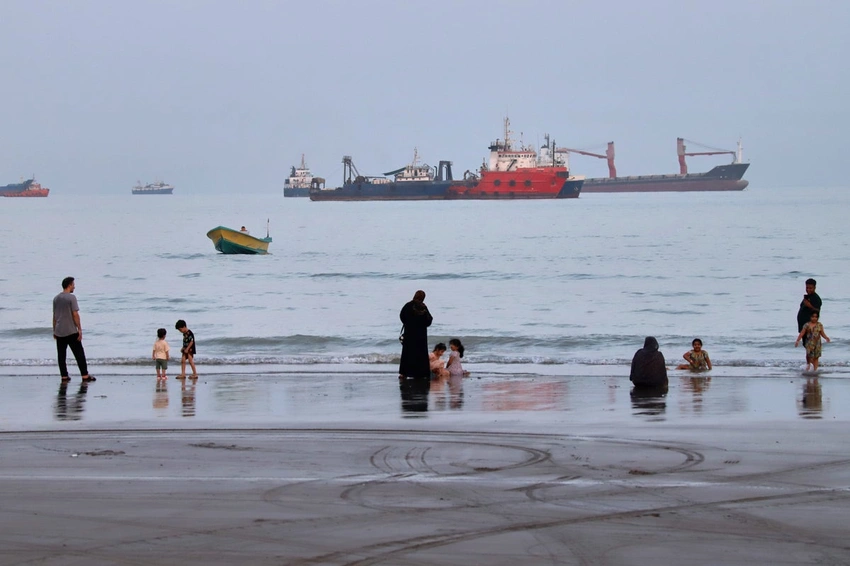
Iran Demands US 'Correct Behavior' for Hormuz Reopening Amid Tensions
Iran sets tough new conditions for reopening the strategic Strait of Hormuz, urging the US to 'correct its behavior' as regional tensions escalate. Will a deal be reached?
Tehran, Iran — The geopolitical landscape of the Middle East remains fraught with tension as Iran issues stringent new demands for the reopening of the vital Strait of Hormuz. This comes amidst reports from the United Arab Emirates that one of its ships was targeted by an Iranian missile, further complicating efforts to reach a resolution regarding the strategic waterway.
Iran's supreme national security council, a powerful politburo-like body, has stated unequivocally that the Strait of Hormuz will remain closed until the United States "corrects its behavior." Mohammad Bagher Zolghadr, secretary of the council and a commander in the Islamic Revolutionary Guard Corps (IRGC), conveyed through state broadcaster that the US must never again threaten Iran and must permanently cease its involvement in conflicts with Iran and its regional allies.
Key demands from Tehran include the immediate lifting of the naval blockade on Iranian ports, the withdrawal of US military forces from the region, and "complete compensation" for war damage. Furthermore, Iran insists on the lifting of all sanctions and the unconditional release of its frozen assets.
These conditions pose a significant challenge to ongoing diplomatic efforts.
There has been no immediate public comment from the United States regarding these latest demands.
Historically, the US has sought an acceptable agreement on the Strait's passage before considering an end to the blockade.
An interim deal signed in June had previously outlined that a schedule for ending sanctions and a plan for compensation would be part of a final agreement, with negotiations also set to address frozen assets.
Despite the formidable hurdles, Iran's Foreign Minister, Abbas Araghchi, indicated on Saturday that progress was being made on navigation specifics, particularly in determining a transit route. However, he emphasized that the waterway's full reopening is contingent upon meeting other crucial conditions, placing the blame for the current stalemate on what he described as the opposing side's actions.
