UK Sanctions on West Bank Settlements: Division & Debate in Jewish Community

UK Sanctions on West Bank Settlements: Division & Debate in Jewish Community
The UK's decision to sanction trade with illegal Israeli settlements has ignited a passionate debate within the British Jewish community. Explore the contrasting views, from accusations of "injustice" to calls for "right
The United Kingdom's decision to impose sanctions on trade with illegal Israeli settlements in the occupied West Bank has ignited a fervent debate within the British Jewish community, exposing deep divisions on the morality and efficacy of such measures. Announced after Israel unveiled plans for new settlement homes, the move aims to safeguard the possibility of a two-state solution and affirm the UK's commitment to challenging injustice.
From his home in the West Bank settlement of Efrat, British-Israeli Rabbi Leo Dee voiced strong opposition, labeling the sanctions an "injustice." Rabbi Dee, who tragically lost his wife Lucy and daughters Maia and Rina in a Palestinian attack in the Jordan Valley in 2023, wrote an open letter accusing the government of singling out Jewish Israelis for economic punishment. He expressed outrage at what he perceives as hypocrisy, questioning why sanctions target Israeli settlements while bypassing the Palestinian Authority.
He also highlighted that hundreds of Palestinians employed in these settlements could face hardship. Foreign Secretary Ed Miliband has robustly defended the sanctions, asserting that the UK "could not simply stand by" and that the government "not only calls out injustice and suffering, but acts." He rejected claims by the Chief Rabbi that the sanctions might put British Jews at greater risk, emphasizing the necessity of the move to preserve the two-state solution.
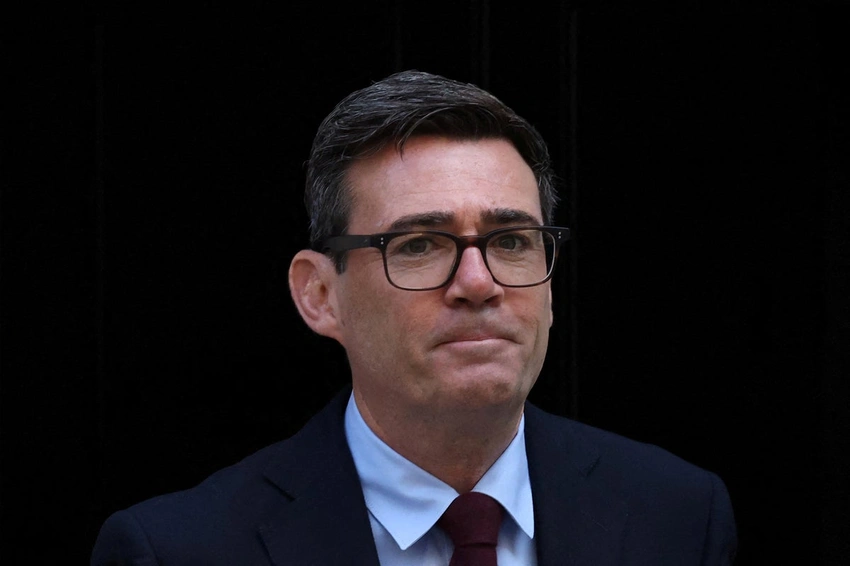
Miliband's stance is echoed by figures like Andy Burnham, who also supported the sanctions.
Illegal under international law, Israeli settlements in the West Bank have been a consistent point of contention. The region has seen a rise in violence against Palestinians by settlers since the start of the Gaza war, which was triggered by the Hamas-led attack on Israel on October 7, 2023.
This backdrop adds to the intensity of the current debate, with many viewing the sanctions as a necessary step to curb expansion and protect Palestinian rights, while others see it as a misguided and punitive action.
The varied opinions underscore the profound complexities of the Israeli-Palestinian conflict and its ripple effects globally, particularly within diaspora communities.
The UK government maintains its position that these actions are crucial for international law and peace prospects, despite the significant discord they have created.
